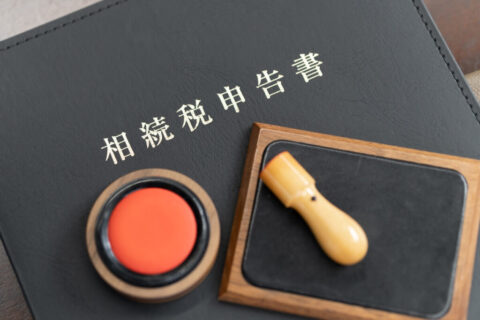


Opening a bank account in Japan as a foreign student sounds straightforward until you are sitting across from a bank clerk who points to an empty box on the form and says, in Japanese or broken English, that you need a hanko. If you did not bring one, the appointment ends there. You leave without an account, rebook, track down a stamp, and try again.
This guide exists so that does not happen to you. It focuses specifically on the banking side of student life in Japan—why banks ask for a personal seal, which institutions still require one, what type of hanko actually works for account setup, and how to get one ordered in English before or shortly after you arrive. If you are a foreign student preparing for life in Japan, this is the practical information you need before your first bank visit.
Why This Segment Is Asked for a Seal
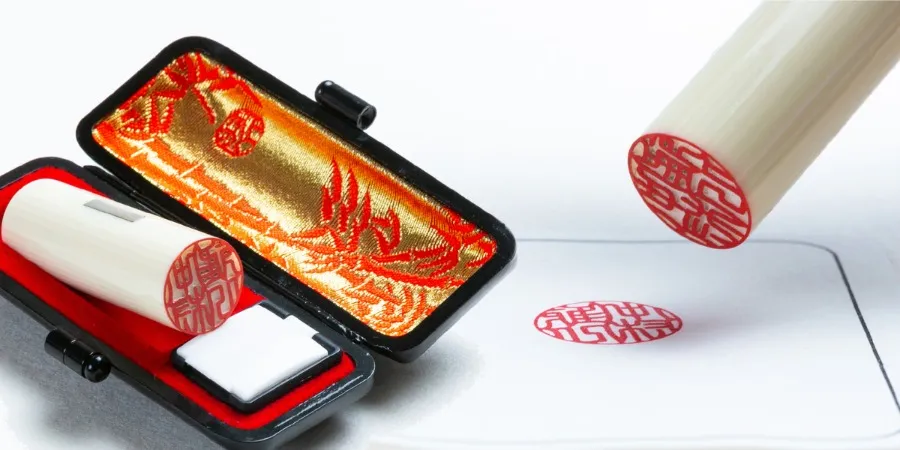
Japan’s banking system has deep institutional roots, and the hanko is embedded in how financial identity has traditionally been verified. When you register a stamp with a bank, the bank keeps an impression of it on file. Every time you authorise a major transaction, withdraw large amounts, or update your account details, the bank may press your stamp against their record to confirm it matches. It is a physical verification system that predates digital authentication and, in many institutions, still sits alongside it.
For foreign students specifically, this matters for several reasons.
First, you need a bank account quickly. Scholarship payments, part-time wages, and living expenses all flow through a Japanese bank account. Many universities require students to have a Japanese account set up within the first few weeks of enrollment for administrative and payment purposes. Delays cost you money and cause stress during an already busy period.
Second, the most accessible banks for new arrivals—Japan Post Bank in particular—commonly require a registered stamp. Japan Post Bank branches and ATMs are available inside convenience stores across Japan, making it one of the most practical options for students without a fixed neighbourhood bank nearby. But walking in without a hanko often means walking out without an account.
Third, some employers—including the convenience stores, family restaurants, and tutoring centres where foreign students commonly work part-time—pay wages directly into a Japan Post Bank or regional bank account. If your account setup is delayed because you lack a stamp, your first pay cycle is also delayed.
The broader cultural context is worth understanding too. In Japan, a hanko is not just a bureaucratic formality. It functions as a personal mark of identity and commitment. Presenting a proper custom stamp—one made with your actual name—signals that you have taken your residency and financial life in Japan seriously. It matters more than you might expect in a country where attention to process is genuinely valued.
Common Documents and Timelines
Bank account setup does not happen in isolation. It sits inside a cluster of administrative tasks that all converge in your first two to four weeks in Japan. Understanding the full sequence helps you see where the hanko fits and why having one early matters.
Week one: address registration
Before most banks will open an account for you, they require proof of address in Japan. This means visiting your local city hall or ward office and completing your address registration (juminhyo). You will receive a residence card update and, in some cases, a written confirmation of your registered address. Some banks also ask for your residence card directly. Neither of these requires a hanko, but completing them is a prerequisite for the bank visit that follows.
Week one to two: bank account opening
Once you have your address registered and your residence card updated, you can apply to open a bank account. The documents typically required include your residence card, your passport, and your personal stamp. Japan Post Bank is the most commonly recommended first account for foreign students due to its accessibility. Bring your hanko to this appointment. If you are unsure whether your chosen bank requires a stamp, call or check their English-language website in advance—requirements vary by institution and sometimes by branch.
A realistic scenario: a student from Brazil arrives in Nagoya for a spring semester intake. His university schedules an orientation week before classes begin and strongly recommends opening a Japan Post Bank account during that window. He registered his address on day two. On day four, he goes to the post office branch near campus. He has his passport and residence card. He does not have a hanko. The clerk explains, in slow Japanese, that a stamp is required. He leaves, spends two days finding a shop near campus where no one speaks Portuguese or English, ends up with a stamp he is not sure is correctly made, and returns. The account is eventually opened, but the stress was entirely avoidable.
Week two to four: scholarship and salary setup
If you are receiving a scholarship, your university will ask you to submit bank account details. If your account is not open yet, this submission is delayed, which can push back your first disbursement. Similarly, if you start part-time work during your first month, your employer will need your bank details for payroll. Having your account sorted—and therefore your stamp sorted—before these deadlines arrives is the practical goal.
Ongoing: account management
Once your account is open and your stamp is registered, you will rarely need the stamp for routine transactions. ATM withdrawals, online transfers, and card payments do not require it. It becomes relevant again if you update your address with the bank, change account types, or authorise certain high-value transfers. Keep your stamp in a safe, consistent place and do not lend it to anyone.
Recommended Hanko Type and Size
For bank account setup, you need a ginko-in: a personal stamp that you will register with your financial institution. In practice, many students use a single stamp that functions as both their everyday mitome-in and their ginko-in, which is perfectly acceptable and keeps things simple.
Here is what to prioritise:
Type: A custom-made personal stamp with your name in katakana. Do not use a pre-made stamp purchased from a 100-yen shop or convenience store. These carry common Japanese surnames, are not made with your name, and will not be accepted for bank registration. A proper custom hanko for foreigners is made to order with your specific name transliterated into katakana.
Size: 13.5mm in diameter is the standard for adult personal use and is widely accepted for bank registration across Japan. Some banks specify a range—often between 10mm and 25mm—but 13.5mm sits comfortably within any institution’s requirements. Avoid going smaller than 12mm for anything bank-related.
Material: For a practical student stamp, resin or wood is entirely appropriate. Acrylic resin is affordable and durable enough for years of regular use. If you want a stamp that will carry through your student years into working life in Japan, a mid-range wooden or composite material is worth the modest additional cost.
Script style: For banking purposes, clarity matters more than decorative style. A standard kaisho or regular script in katakana is appropriate and professional. Highly stylised or decorative scripts can sometimes cause issues if the impression is difficult to read clearly—banks compare your live impression against their registered record, so legibility helps.
A checklist before you order:
- Confirm your name in katakana, or use a service that confirms it for you
- Choose 13.5mm diameter for bank and general use
- Select resin or wood for a durable everyday stamp
- Avoid pre-made stamps from discount shops
- Order at least one week before your first bank appointment
- Keep a note of which stamp is registered with which bank
Ordering Tips in English
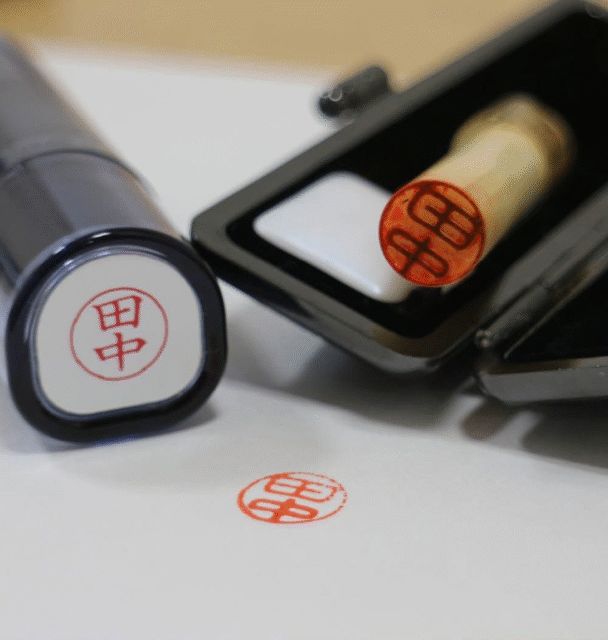
The simplest, most reliable way to get a proper bank-ready hanko as a foreign student is to order online in English. Here is how to approach it well.
Order before you arrive if possible. If you have a confirmed address in Japan—a dormitory address is ideal—you can place your order before departure and have the stamp waiting when you land. This eliminates the need to find a shop in an unfamiliar city during your first hectic week.
Use a service that handles katakana rendering. Your name needs to be correctly transliterated into katakana. A reputable English-language hanko service will review your name and confirm the rendering before production. This is not something you want to guess at or rely on a rushed in-store interaction to get right.
Be clear about intended use when ordering. If the service asks for intended use, specify bank registration. This helps ensure you receive the right size and an appropriate script style.
Factor in processing and delivery time. Most quality custom hanko services process orders within two to five business days and ship within Japan quickly. Order at least a week before your bank appointment, ideally more. If you are ordering from outside Japan for delivery after arrival, confirm estimated delivery to your Japanese address before placing the order.
Keep the design straightforward. A clean, legible katakana rendering in a standard script is exactly what you need for a bank stamp. Decorative options are available and perfectly valid, but simplicity is the right call for a stamp you are registering with a financial institution.
HankoHub offers a fully English ordering process, confirms your katakana name rendering before production, and ships directly to addresses in Japan. For foreign students dealing with Japan paperwork from the moment they land, it removes the single biggest friction point in the hanko process: not knowing if you are doing it correctly.
If you are still looking for the right role after your studies, ComfysCareer is a solid starting point for foreigner-friendly jobs in Japan.
Common mistakes to avoid when ordering:
- Ordering too late and not having the stamp in time for your bank appointment
- Choosing a size that does not meet your bank’s specifications—always check first
- Selecting an overly decorative script that produces an unclear impression
- Ordering a stamp with a Japanese surname instead of your own name
- Using the same stamp for everything without keeping track of where it is registered
FAQ
Do all banks in Japan require a hanko to open an account? No, not all. Some larger city banks and most digital or online banks have moved away from stamp requirements and accept a signature or digital verification instead. However, Japan Post Bank—one of the most practical options for foreign students—commonly requires a registered stamp. Regional banks vary by branch. Always confirm with your specific institution before your appointment.
Can I use any stamp, or does it need to be custom-made? For bank registration, it must be a custom-made stamp with your actual name. Pre-made stamps from convenience stores or 100-yen shops are not appropriate for official use and will not be accepted for bank registration.
What if my name is very long or difficult to transliterate into katakana? Online services that specialise in hanko for foreigners handle this regularly. Your name will be phonetically rendered into katakana, and the service will typically confirm the rendering with you before production. If your name is particularly long, a shortened or simplified version may be used—this is standard practice and does not affect the stamp’s validity.
I already opened an account with a signature. Do I still need a hanko? If your account is already open and registered without a stamp, you do not need one retroactively for that account. However, you may encounter stamp requirements with other institutions—employers, landlords, or different banks—so having a personal hanko as a student in Japan remains practical regardless.
How do I actually register my stamp with the bank? Bring your stamp to the bank when you open your account. The clerk will ask you to press it onto a registration card, which they keep on file. Your stamp is then your registered ginko-in for that account. Keep it in a safe place and treat it with the same care you would give a key or a debit card.
Can I order a hanko online before I arrive in Japan? Yes, and this is the recommended approach. If you have a confirmed delivery address—such as a dormitory—you can order before departure and have the stamp ready for your first week. HankoHub ships to Japan and handles the full ordering process in English.
What happens if I lose my registered bank stamp? Report it to your bank as soon as possible. They will ask you to complete a de-registration process, which may require additional paperwork and a visit to the branch. You will then need to register a new stamp. The process is manageable but time-consuming, which is why storing your stamp carefully from the start is worth the effort.
Is a digital hanko acceptable for bank account setup? No. Digital hanko are used in some corporate settings for internal digital documents. They are not accepted for bank registration or any formal financial paperwork. For banking purposes, you need a physical stamp.
Next Steps

Your bank account is one of the first things you need sorted in Japan, and a missing hanko is the most common reason student bank appointments fail on the first visit. Get ahead of it. Order your personal hanko from HankoHub in English, confirm your katakana name rendering, choose a 13.5mm stamp in resin or wood, and have it delivered to your address in Japan before your first bank appointment. One order, placed early, removes one of the most avoidable friction points in your first weeks as a student in Japan.