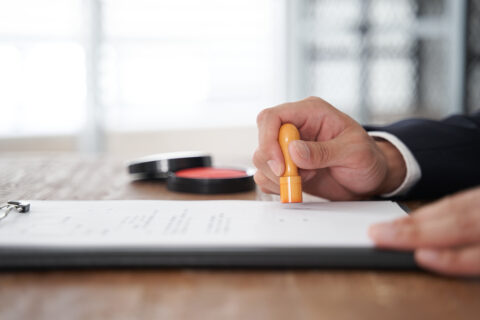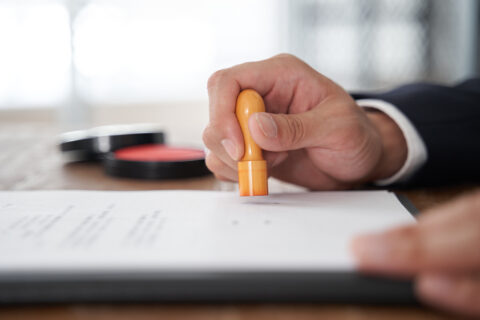


You just landed a restaurant job in Japan. The manager hands you a stack of paperwork before your first shift, and somewhere on that pile is a box asking for your hanko. If you’ve never dealt with a Japanese seal stamp before, the request can feel like an unexpected barrier — especially when you’re just trying to get your bank account open and start earning.
This is one of the more practical corners of life in Japan that nobody prepares you for. Language schools don’t cover it. Most job listings don’t mention it. And yet, restaurant staff — foreign or Japanese — routinely need a personal seal to complete onboarding, open a bank account, and navigate the quiet bureaucracy that runs underneath daily working life in Japan.
The good news is that getting a hanko as a foreigner is genuinely straightforward once you know what you’re dealing with. This guide walks you through exactly why restaurant workers get asked for a seal, which documents require one, what type to order, and how to do it in English without any guesswork.
Why This Segment Is Asked for a Seal
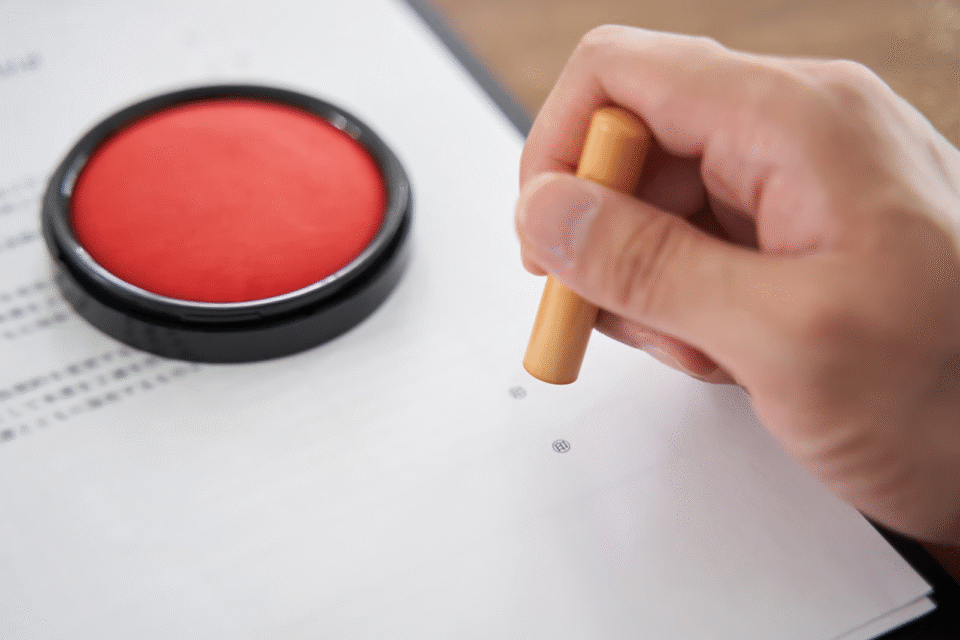
Restaurant work in Japan sits at a particular crossroads of paperwork. You’re often hired quickly, onboarded fast, and expected to have your administrative setup completed within the first week or two. That combination — speed plus formality — is exactly where the hanko requirement tends to surface.
The core reason is that Japan’s administrative culture still relies heavily on personal seals as a form of verified identity. A signature is often acceptable in international contexts, but within Japan’s domestic systems — banks, employers, city offices — a seal carries a different kind of weight. It signals that you have taken the step of registering yourself into the local system.
For restaurant staff specifically, there are a few common triggers. If you’re opening a bank account to receive your salary directly — which most employers require — the bank will often ask for a hanko during the account-opening process, particularly at Japan Post Bank (Yucho) or regional banks. Some HR departments also stamp payroll acknowledgment forms, tax paperwork, or employment contracts using seals, and may ask you to provide yours as a countersignature.
The practical micro-scenario looks like this: You start work on a Monday. By Wednesday, your manager asks when your bank account will be ready, because salary processing runs on a fixed cycle. You go to the bank on Thursday, and the teller asks for your hanko. You don’t have one. Now you’re delaying your first paycheck.
That’s a preventable problem, and it’s the main reason this guide exists.
Common Documents and Timelines
Understanding when the hanko gets asked for — not just whether — helps you plan properly. Here’s a realistic picture of the documents you’ll encounter as restaurant staff in Japan, and how quickly they typically come up.
Bank account opening: This is the most time-sensitive one. Japan Post Bank and some regional banks commonly ask for a hanko as part of the in-person application. Some newer banks (like PayPay Bank or Rakuten Bank) work online and don’t require a physical seal, but many restaurant employers still prefer to pay into traditional accounts. Timeline: within your first week.
Employment contract: Depending on the restaurant chain or independent operator, you may be asked to stamp an employment agreement alongside your signature. This isn’t universal, but it’s common enough that you should be prepared. Timeline: day one or day two.
Tax and residence paperwork: If you’re registering at your local city hall or filing anything related to residence taxes, a hanko is frequently required. This comes up more for longer-term residents, but it can appear early if your employer handles residency verification as part of onboarding. Timeline: variable, often within the first month.
Payroll acknowledgment slips: Some restaurants — particularly older or family-run establishments — still use paper payroll slips that require a stamp from the employee as confirmation. Timeline: monthly, ongoing.
A realistic checklist of what to have ready before your first week:
- Hanko (personal seal, your name in katakana or romaji)
- Hanko case and ink pad (most seals come with these)
- Residence card (zairyu card)
- My Number card or notification letter
- Passport
- Proof of address (utility bill or lease agreement)
Having the hanko ready before you walk into the bank removes one of the most common friction points in the whole process.
Recommended Hanko Type and Size
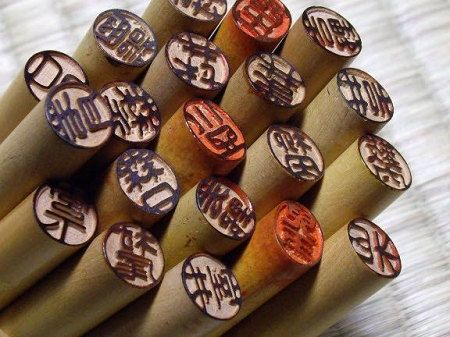
Not all hanko are created equal, and for restaurant staff, you don’t need the most formal or expensive type. What you need is a mitomein — an everyday personal seal used for general documents, bank accounts, and standard employment paperwork. It does not need to be registered at city hall unless you’re dealing with something more legally significant, like signing a lease or a vehicle purchase.
Size: 10.5mm is the standard recommendation for everyday use. It fits cleanly in most document stamp boxes without looking undersized or oversized.
Material: Acrylic or plastic is perfectly fine for this purpose. You don’t need a premium wood or horn seal for restaurant-level Japan paperwork. It will do the same job at a fraction of the cost.
Name format: This is where foreigners sometimes hesitate. If your name is in the Japanese system as katakana — which it likely is on your residence card — using katakana on your hanko is the most consistent choice. Some people use romaji (standard English letters), and this is increasingly accepted, particularly at more internationally familiar institutions. If you’re unsure, katakana is the safer default.
Common mistakes to avoid:
- Ordering a size that’s too large (15mm+ is generally for business or more formal seals — it can look odd on standard document fields).
- Using a stylized or hard-to-read design for a functional seal. Save the decorative options for a gift hanko; your working seal needs to be clear and consistent.
- Forgetting to check how your name appears on your residence card before ordering. The name on your hanko and the name on your official documents should match.
- Waiting until you’re already in the bank queue to realize you don’t have one. Order before you need it.
Ordering Tips in English
If your Japanese is limited, the ordering process can feel uncertain. The practical answer is to use a service built for exactly this situation.
HankoHub operates entirely in English, which removes the guesswork around name transliteration, size selection, and material choice. You don’t need to navigate a Japanese e-commerce site or worry about whether your katakana name has been entered correctly — the process is designed with foreign residents and visitors in mind.
A few tips to make the ordering process smooth:
Have your residence card nearby. The name printed on your card is the name you want on your seal. Transcribe it exactly as it appears — don’t simplify or rearrange it.
Choose standard shipping if your timeline allows. If you’re starting work in two weeks, you have time. If you’re starting in three days, check the expedited options.
Order a carrying case. It sounds minor, but keeping your hanko in a dedicated case protects the ink pad and prevents accidental stamping in your bag. Most hanko come with a case, but confirm before checking out.
Stick to a practical size. For restaurant staff dealing with bank accounts and employment documents, a 10.5mm mitomein is the right call. HankoHub makes it easy to select this directly without needing to research the options yourself.
If you’re still looking for the right role, ComfysCareer is a solid starting point for foreigner-friendly jobs in Japan.
FAQ
Do I absolutely need a hanko to open a bank account in Japan? It depends on the bank. Japan Post Bank and many regional banks commonly ask for one during in-person account opening. Online banks like Rakuten Bank or PayPay Bank often don’t require a physical seal. However, since many restaurant employers prefer traditional bank accounts for payroll, having a hanko ready removes potential complications.
Can I use a signature instead of a hanko? In some contexts, yes. Many modern employers and some banks accept signatures, particularly for international hires. But you cannot always predict which institutions will accept a signature and which won’t, and being caught without a hanko when one is required creates delays. Having one is the safer and more practical position.
Does my hanko need to be registered (jitsuin)? For restaurant-level paperwork and standard bank account opening, no. A mitomein (unregistered personal seal) is sufficient. Registered seals (jitsuin) are for more significant legal documents, like real estate or vehicle transactions.
What name should go on my hanko? Your name as it appears on your residence card. For most foreigners, this is your family name in katakana. Some people use their full name; others use just the surname. Either works — just be consistent, and make sure it matches your other official documents.
How long does it take to receive a hanko from an online order? This varies by service and shipping option, but standard domestic delivery within Japan typically takes three to seven business days. Expedited options are often available. Order as soon as you know you’ll need one — don’t wait for the bank appointment to book before ordering.
Is a cheap hanko okay, or should I invest in a better one? For everyday Japan paperwork as a restaurant worker, a standard acrylic mitomein is entirely adequate. You’re not signing a property deed — you’re stamping payroll slips and bank forms. Save the investment piece for later if you decide to stay long-term and want something more personal.
Next Steps

The paperwork side of working in Japan moves faster than most people expect. Getting your hanko sorted before your first week — ideally before your bank appointment — removes one of the most common early friction points. Head to HankoHub, select a standard 10.5mm mitomein with your name in katakana, and have it delivered before you need it. It’s a small thing that makes a real difference when the documents start arriving.