
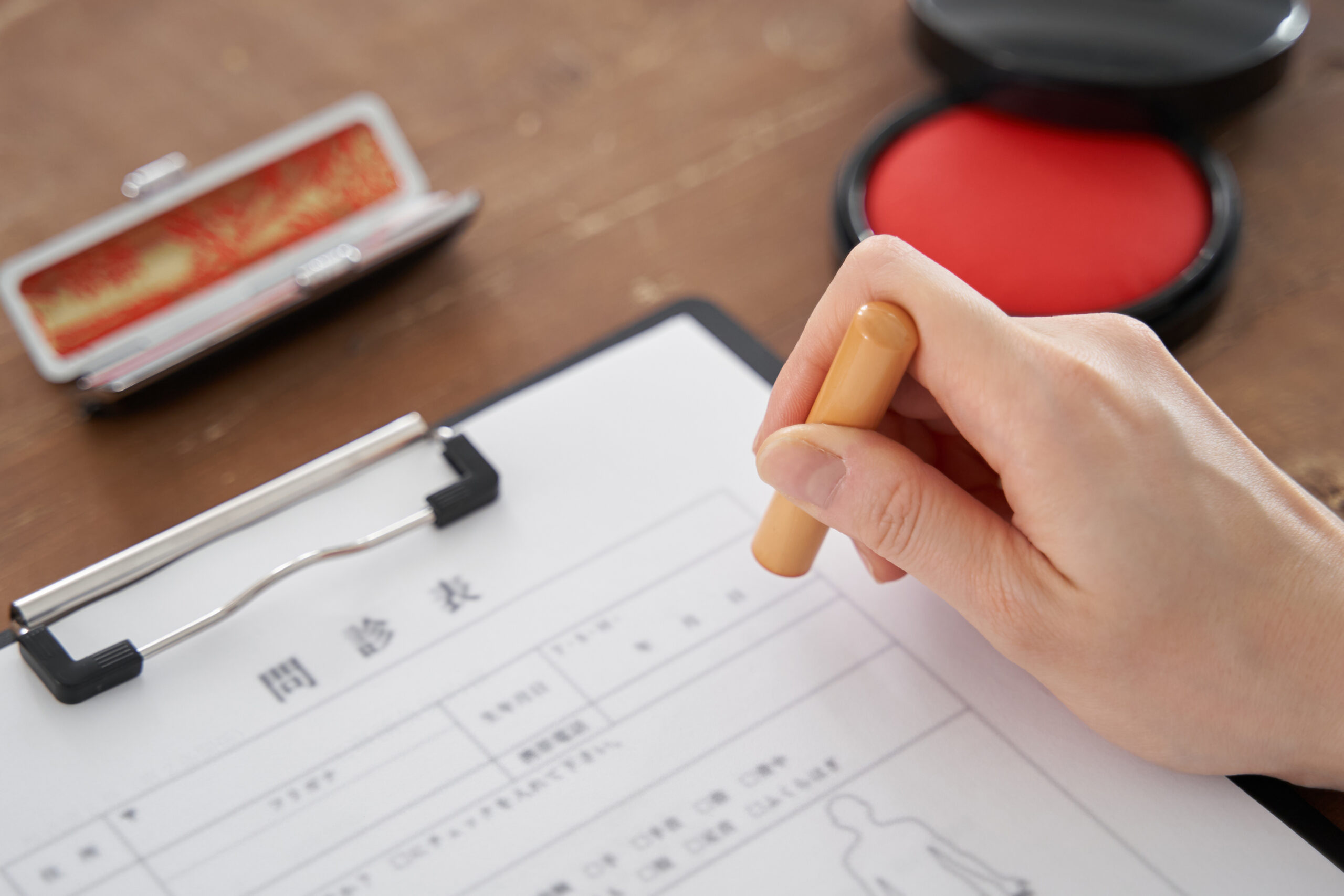
You’ve settled into your design role in Japan. The onboarding paperwork is done, your hanko has been stamped on your employment contract, and you feel like you’ve figured out the system. Then, three months in, you get a form for renewing your commuter pass, a lease renewal notice from your landlord, a request from a freelance client for a stamped invoice, and a letter from the city office about your resident registration update — all in the same week. The paperwork doesn’t stop after onboarding. For designers living and working in Japan, hanko for designers in Japan is not a one-time topic. It’s a recurring part of daily life.
This guide is for the longer stretch: the months and years after you’ve landed, when Japan’s administrative systems become part of your regular routine. Whether you’re a full-time creative at an agency, a freelance UX designer juggling multiple clients, or a designer who’s moved into a senior or lead role, the situations where your seal matters will keep appearing. Knowing how to handle them confidently — and what to watch out for — makes a real difference.
This post covers the most common admin scenarios designers face beyond onboarding, the documents and timelines involved, what type of hanko works best for ongoing use, and how to order or replace one without the usual guesswork.
Why This Segment Is Asked for a Seal

The short version: Japan still runs a significant portion of its administrative and contractual life on physical stamps, and that doesn’t change once you’ve finished your first week at work. The hanko system exists because it creates a traceable, consistent mark of personal consent. Unlike a handwritten signature, which can vary from day to day, a stamp is always the same. For institutions — banks, landlords, city offices, corporate HR departments — that consistency is the point.
For designers specifically, there are a few reasons this comes up more than you might expect in daily life rather than just at key milestones.
Scenario one: You’re a motion designer who takes on occasional freelance projects alongside your full-time job. One of your clients is a mid-sized Japanese firm. They’ve asked you to stamp your invoice before they’ll process payment. Your hanko is somewhere in a drawer at home. You’re not sure if it still works properly or if the ink has dried out. You end up delaying the invoice by three days while you sort it out.
Scenario two: You’re a graphic designer who’s just moved apartments. The new landlord requires a stamped copy of your lease agreement, and your real estate agent mentions that the guarantor company also wants a stamped form from you. This is separate from your work hanko situation entirely, but it’s the same stamp.
Scenario three: You’ve been promoted to creative director at your studio. You’re now signing off on vendor contracts and project agreements on behalf of your team. Your personal hanko still works for your own documents, but you’re being asked about whether you need a separate company-authorised stamp for certain sign-offs.
None of these situations are unusual. They’re what daily admin actually looks like for a working designer in Japan, and being prepared for them means your stamp is in good condition, accessible, and appropriate for the context.
Common Documents and Timelines
Daily admin for designers in Japan involves a wider range of documents than most people anticipate. Here is a practical breakdown of what comes up regularly, and roughly when:
Freelance and contract invoices: If you do any independent client work — even occasionally — stamped invoices are standard for Japanese companies. This is ongoing, tied to whenever you submit for payment. Some international clients won’t care, but domestic Japanese clients often will.
Lease agreements and renewals: Japanese residential leases typically run for two years, after which renewal paperwork is issued. Most standard lease renewals require your personal stamp. If you move apartments, the same applies to the new agreement.
Bank-related forms: Adding a new payee, changing account details, updating personal information, or applying for additional services at a Japanese bank will frequently require your hanko. This is not a one-time event.
City office forms: Updating your registered address after a move, reporting a change in household composition, or applying for certain municipal services all commonly require a stamp. Some procedures have moved online, but many city offices still operate on paper forms, particularly for foreign residents dealing with the immigration-linked residence card system.
Internal company forms (ongoing): Expense claims, equipment requests, project approval sign-offs, and travel reimbursement forms vary by employer, but many Japanese companies still use stamped paper forms for at least some internal processes.
Health and insurance paperwork: If your circumstances change — you switch jobs, go freelance, change health insurance plans, or update your dependants — there will almost certainly be forms that require a stamp.
Tax-related documents: Year-end tax adjustment forms (nenmatsu chōsei) issued by employers, and any self-filed tax return paperwork if you have freelance income, often require a personal stamp.
As a rough timeline guide: the heaviest administrative periods in Japan tend to cluster around April (the start of the fiscal and academic year), the end of the calendar year for tax purposes, and whenever a personal life event occurs — moving, changing jobs, updating residency status. Keeping your hanko in good condition and knowing where it is throughout the year is genuinely useful.
Recommended Hanko Type and Size
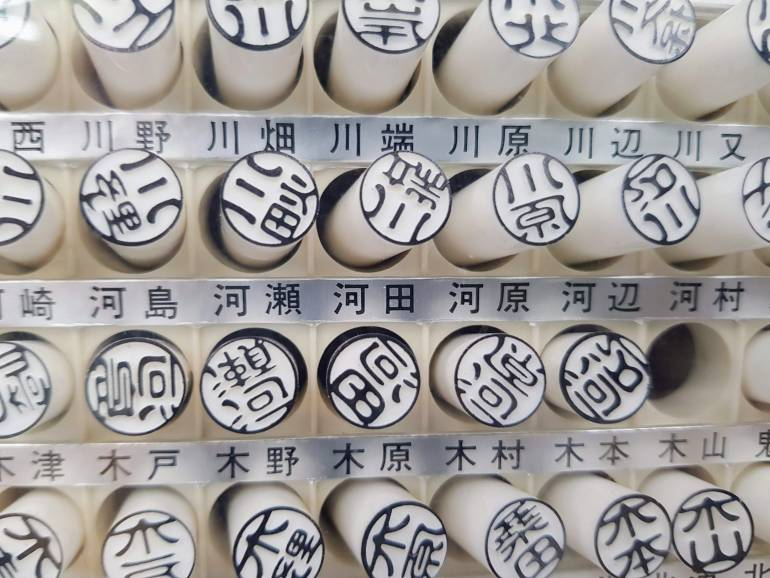
For daily admin use, the guidance is similar to what applies during onboarding, but there are a few nuances worth knowing for the longer term.
Type for everyday use: A mitome-in (認め印) covers the vast majority of daily admin situations. It’s a personal recognition stamp that doesn’t require registration with the city office, and it’s appropriate for invoices, lease documents, internal company forms, bank paperwork, and most city office requests. This is the stamp you’ll reach for most often.
When a jitsuin becomes relevant: A jitsuin (実印) — a registered personal seal — is required for higher-stakes legal documents. In daily life, this typically means property purchase agreements, certain vehicle registrations, or documents that explicitly request a registered seal (jitsuin or in’kan shōmei). If you’re renting rather than buying property, and you’re not making large asset purchases, you may go years without needing one. That said, it’s worth knowing the distinction so you’re not caught off guard.
Material and durability: For a stamp you’ll be using regularly over months and years, material matters more than it might seem at first. Cheaper plastic stamps wear down with frequent use, and the ink impression can become less clean over time. If you ordered a basic stamp for onboarding and are now using it regularly, consider whether it’s holding up. More durable materials — resin composites, hardwoods, or materials like ebony or buffalo horn — produce cleaner, longer-lasting impressions.
Ink care: The ink pad in a self-contained cap-style hanko needs occasional re-inking. If your stamp is producing faint or patchy impressions, that’s usually the first thing to check. Replacement ink is available at stationery shops and online. Using a dried-out stamp on an official document and having it rejected is an avoidable frustration.
Size: The standard range of 10.5mm to 12mm remains appropriate for daily admin. There’s no reason to deviate from this unless you have a specific situation that calls for it.
Common mistakes in daily admin use:
- Leaving the stamp in a bag or drawer where the cap loosens and the ink dries out
- Using the same worn-down stamp from onboarding without checking the impression quality
- Stamping too hard or at an angle, producing smeared or partial impressions — press firmly but evenly, straight down
- Not having the stamp accessible when needed and delaying important paperwork as a result
- Assuming that because one institution accepted a signature, all institutions will — always check first
Ordering Tips in English
At some point during your time in Japan, you may need to replace a worn or lost hanko, order a second one for a specific purpose, or get one for the first time if you’ve been managing without so far. The good news is that ordering a personal hanko in English is straightforward.
HankoHub handles the full process in English, including helping you decide on the name format — whether you want your name in katakana, Roman characters, or a combination. For foreigners who’ve been navigating Japanese-language websites or relying on colleagues to help, this removes a genuine friction point.
Practical tips for ordering or reordering:
- Don’t wait until you need it urgently. If your current stamp is showing wear, or if you’ve recently moved and want a backup, order while you have time. Delivery takes a few business days at minimum.
- Consistency of name format matters. If your first hanko used a katakana rendering of your first name, try to replicate that on any replacement. Using a different name format across different documents at the same institution — your bank, your city office — can occasionally cause confusion.
- Consider a paired case and ink pad. If you’re reordering, think about whether your current case and ink supply are in good shape. HankoHub includes case options with orders, so it’s worth setting yourself up properly.
- Keep a note of your name format. Once you’ve settled on your katakana or Roman character version, save it somewhere accessible. It makes future reorders and any related paperwork much easier.
If you’re still looking for the right role, ComfysCareer is a solid starting point for foreigner-friendly jobs in Japan.
FAQ
How often does a hanko ink pad need replacing? It depends on how frequently you use it. For someone stamping documents a few times a month, a standard cap-style hanko can last one to two years before the ink noticeably fades. If you’re stamping more frequently — for example, if you’re submitting regular freelance invoices — check the impression quality every few months. Replacement ink is inexpensive and widely available.
What do I do if I lose my hanko? If the lost stamp was a mitome-in (unregistered), the main concern is replacing it before you need it again. There’s no formal cancellation process for an unregistered stamp. Order a replacement as soon as possible. If the lost stamp was a registered jitsuin, you’ll need to cancel the registration at your city office and register a new one — bring your residence card and the relevant forms.
Can I have more than one hanko? Yes, and many people in Japan do. It’s common to have a daily-use mitome-in for general paperwork, and a separate registered jitsuin kept secure and used only when legally required. Some people also have a separate stamp for professional or freelance use, though this isn’t required.
Do Japanese companies expect a specific format for stamped invoices? There’s no single universal standard, but a typical stamped invoice from a freelancer includes your name, address, contact details, the date, a breakdown of services, the total amount, and your hanko. If you’re unsure what a specific client expects, ask them directly — most will have a preferred template or can send you an example.
My employer uses digital signatures for most things. Do I still need a physical hanko? Possibly. Even in companies that have moved most internal processes to digital approval systems, there are often edge cases — certain client contracts, external vendor agreements, or government-facing documents — that still require a physical stamp. It’s worth having one regardless.
What if a document is rejected because of my stamp? This is rare but does happen, usually because the impression was unclear (too faint, smeared, or partial) or because the institution expected a specific type of stamp. If rejected, ask what exactly is needed — whether it’s a cleaner impression, a registered seal, or a different format — and address only that point. Don’t assume you need to start over entirely.
Next Steps

The administrative side of life in Japan doesn’t slow down after you’ve settled in — it just changes shape. Keeping a good-quality personal hanko accessible means you’re ready for the lease renewals, the invoice requests, the city office visits, and the HR forms that are simply part of the rhythm of living here. If you need to order a new one or replace a worn stamp, HankoHub makes the process straightforward in English, from choosing your material to confirming your name format. Order before you need it, and you’ll never be the person apologising for a delay because your stamp is somewhere you can’t find it.