
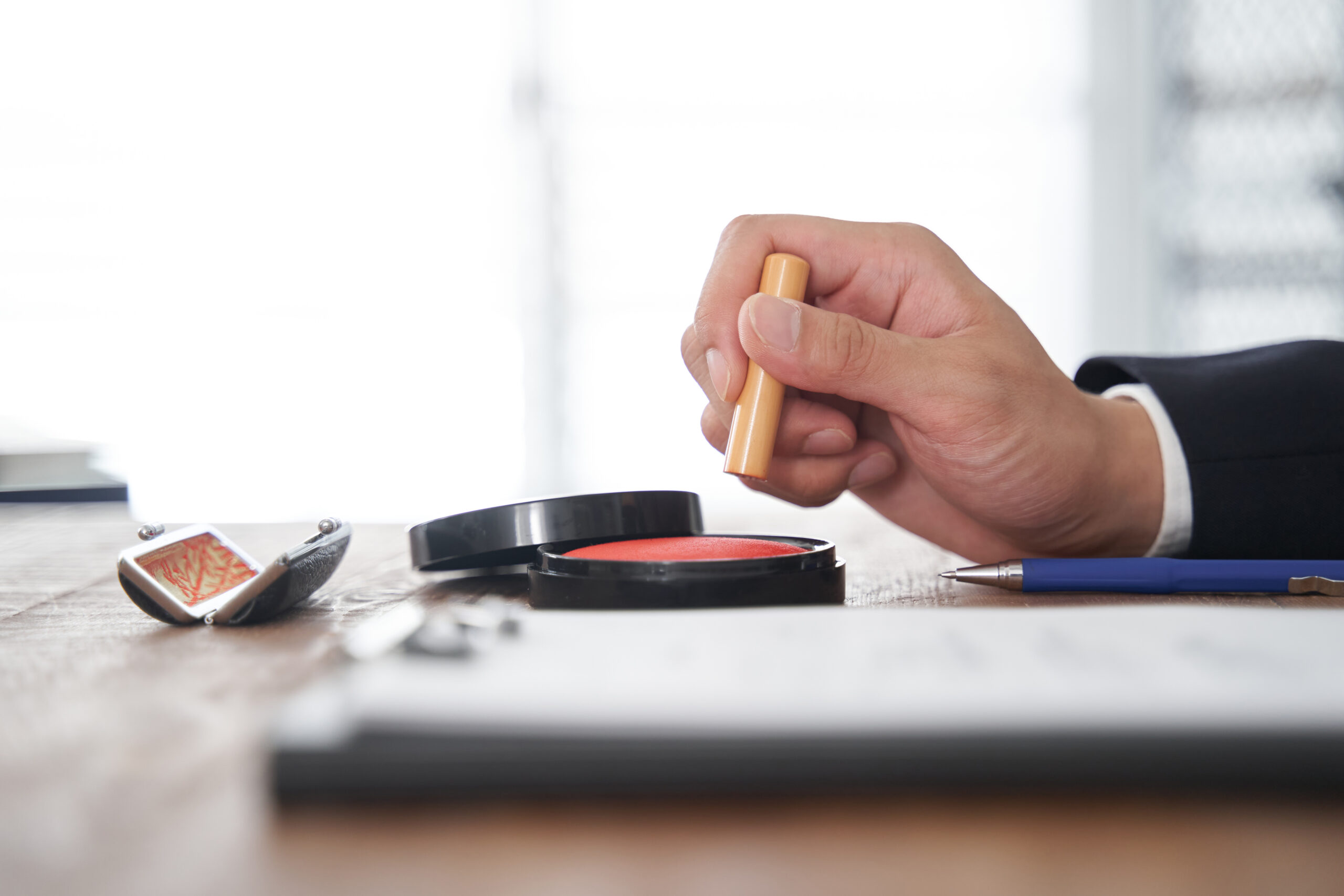
Freelancing in Japan comes with a specific kind of paperwork surprise. You’ve set up your work, found your first clients, and then someone sends you a contract with a small circle printed near the signature line and a note that says “please stamp here.” If you’ve come from a country where a typed name or digital signature closes a deal, this moment can feel oddly formal. It isn’t a bureaucratic quirk you can sidestep — it’s simply how contracts work in Japan, and hanko for freelancers in Japan is something worth understanding properly before it slows down your first invoice.
A hanko is a personal name stamp, also called an inkan, and in Japan it functions as the primary mark of consent and identity on official documents. For freelancers specifically, the stakes are practical: without a stamp, some clients won’t process your contract, and without a processed contract, you don’t get paid. It’s that direct.
This guide is written for foreign freelancers at any stage — whether you’ve just arrived and are setting up your first client relationships, or you’ve been working independently in Japan for a while and keep running into stamp-related friction. You’ll learn why Japanese clients ask for a seal, which contract documents typically require one, what type of hanko makes the most sense for freelance use, and how to order one without navigating a Japanese-language website.
Why This Segment Is Asked for a Seal

Freelancers in Japan occupy an interesting administrative position. You’re not an employee, so you don’t go through the structured HR onboarding that introduces most foreign workers to the hanko system. Instead, you encounter it at the contract stage — which is often earlier, faster, and more varied than a standard employment setup.
Japanese contract culture places significant weight on the physical stamp as a mark of formal agreement. It serves the same function as a wet signature in most Western legal systems: it says “I, specifically, agreed to this.” For clients working with freelancers, requesting a stamped contract is standard practice, particularly among domestic Japanese companies. It signals that both parties are operating formally, that the agreement is binding, and that the freelancer understands and accepts professional norms.
Here are three scenarios that reflect what this actually looks like in practice:
Scenario one: You’re a freelance copywriter who’s been working with international clients remotely. You land a project with a Japanese marketing firm. They send you a beautifully formatted contract PDF — in Japanese — with two small circles near the bottom. Your contact explains they need your hanko on both copies before the project can be officially registered in their system. You’ve never ordered a hanko. The project is meant to start in five days.
Scenario two: You’re a freelance web developer working with several small Japanese businesses. One client has been paying you based on informal email agreements. Their accountant has now flagged this arrangement and asked for a properly stamped contract retrospectively, along with stamped invoices going forward. You need a stamp quickly and one that you’ll be using regularly.
Scenario three: You’re a foreign freelance translator who’s been in Japan for two years. Most of your clients are international and don’t ask for a stamp. But you’ve just been approached by a government-affiliated organisation for a substantial project. Their procurement team requires a stamped contract, a stamped quotation document, and a stamped invoice at the end. This is a different tier of formality than what you’re used to.
In all three cases, the client isn’t being difficult. They’re following standard Japanese business practice. The freelancer who has a personal hanko ready handles these situations in minutes. The freelancer who doesn’t loses time, sometimes loses the contract, and occasionally loses the client’s confidence.
Common Documents and Timelines
Freelancers in Japan encounter hanko requirements across a broader range of documents than employees do, because you’re managing both sides of the professional relationship — the work agreement and the payment process — yourself. Here is what typically comes up:
Client contracts (gyōmu itaku keiyakusho): The most common document requiring a stamp. These are service agreements between you and your client that outline the scope of work, timeline, fees, and terms. Japanese companies typically require two stamped copies — one for each party. Timing: before the project begins.
Non-disclosure agreements (NDA / himitsu hoji keiyakusho): Common when working with companies on proprietary or sensitive projects. These almost always require a personal stamp. Timing: before any project information is shared.
Quotation documents (mitsumori-sho): For larger or longer-term engagements, some clients ask for a formal stamped quotation before issuing a contract. This is particularly common with corporate clients and public-sector or government-affiliated organisations. Timing: before the contract stage.
Invoices (seikyūsho): Stamped invoices are standard practice in Japan. Not every client will insist on it, but many domestic companies expect it, and some will not process payment through their accounting system without it. Timing: end of each project or billing cycle.
Receipt acknowledgements (ryōshūsho): When payment is made, some clients issue a receipt document and ask you to stamp it as confirmation. Less common than it used to be, but still encountered in traditional or large corporate clients.
Independent contractor registration forms: If you’re registering with a platform, agency, or talent pool that connects freelancers with Japanese clients, they may require a stamped registration form as part of their onboarding process.
Tax-related documents: If you file taxes as a self-employed individual in Japan — which you’re required to do if your annual freelance income exceeds a certain threshold — you may encounter forms that require a personal stamp, particularly in older or paper-based submission processes.
Timeline awareness matters here. The documents that require a stamp tend to cluster at the beginning of a project (contract, NDA, quotation) and at the end (invoice, receipt). If you’re managing multiple clients simultaneously, you may need your stamp several times in a single week. Keep it accessible, not buried in a bag or a drawer.
Recommended Hanko Type and Size
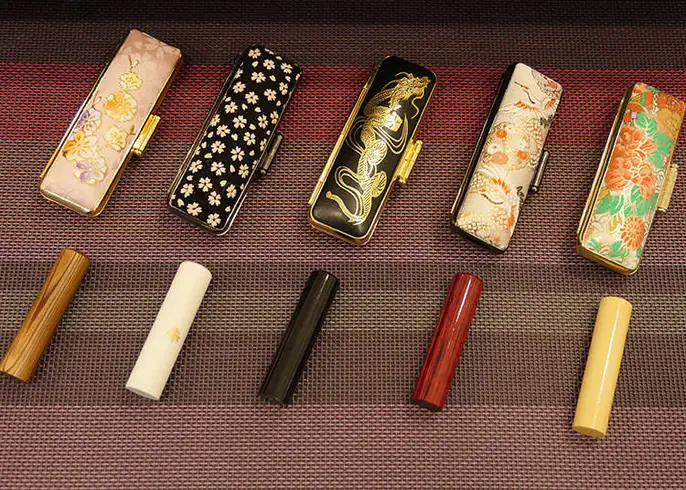
Choosing the right type of hanko for freelance use comes down to understanding what the documents require and what level of formality your clients expect.
For most freelance contracts and invoices: mitome-in (認め印) This is a personal recognition stamp that doesn’t require registration with the city office. It’s appropriate for the overwhelming majority of freelance documents — client contracts, NDAs, invoices, quotations. It’s the stamp you’ll use most often, and it’s the one to prioritise getting right.
When you might need a jitsuin (実印): A jitsuin is a registered personal seal — registered at your local city office — and is required for higher-stakes legal transactions. In a freelance context, this typically means signing a lease agreement for a business premises, certain formal business registration documents, or contracts that explicitly request an in’kan shōmei (seal certificate). For most freelancers working from home or a co-working space on standard client contracts, a jitsuin is not needed day-to-day. Know the distinction, but don’t over-complicate your setup at the start.
Size: Standard personal hanko fall in the 10.5mm to 12mm range. This is appropriate for both professional and personal documents. Avoid going smaller — a stamp below 10.5mm can produce impressions that are difficult to read, which some institutions will flag as a problem.
Material: For a stamp used in a professional context, durability matters. Plastic acetal stamps are affordable and functional but wear down with repeated use. If you’re stamping contracts and invoices regularly, consider a more durable material — resin composites, hardwood, or natural materials like ebony. The impression stays cleaner for longer, which matters when clients are scrutinising a stamped document.
Name format for foreigners: This is the most consequential decision for foreign freelancers.
- Katakana rendering of your name — the most widely accepted option across Japanese institutions, including conservative corporate clients
- Romanised name — accepted by many international companies and increasingly by domestic firms, but may occasionally cause friction at traditional institutions
- A chosen or simplified Japanese name — used by some long-term residents, though this requires consistency across all documents
For freelancers working primarily with Japanese domestic clients, katakana is the safest and most professional choice.
Common mistakes:
- Ordering a stamp with your full first and last name when shorter forms are standard — this can make the impression crowded and less legible
- Using a convenience store generic stamp that doesn’t match your name — these are not appropriate for client contracts
- Stamping too hard or at an angle, producing a smeared impression that a client’s accounting team may reject
- Not re-inking the stamp regularly, leading to faint impressions on important documents
- Treating the stamp as optional for Japanese clients who “seem modern” — when in doubt, ask rather than assume
Ordering Tips in English
The practical challenge for foreign freelancers is that most Japanese hanko vendors operate in Japanese. Navigating those sites without fluency in the language means either guessing, relying on a bilingual contact, or avoiding the process altogether — none of which is ideal when you have a contract waiting.
HankoHub is designed for exactly this situation. The entire ordering process is in English. You submit your name, choose your material and size, and get guidance on the katakana rendering if needed. For a freelancer who needs a professional stamp without the usual language barrier, it’s the most direct route.
Practical ordering guidance:
- Order before you have an urgent need. Delivery typically takes a few business days. If a new client has just sent you a contract and asked for it back stamped within the week, check whether your timeline works before relying on standard shipping.
- Decide on your name format first. Know whether you want your name in katakana, Roman characters, or a combination before you order. If you’re unsure, HankoHub can advise — but having a clear preference ready speeds up the process.
- Choose a material that matches your usage level. If you’re stamping regularly, invest in something durable. It costs a little more upfront and saves you reordering within the year.
- Get a proper case with an ink pad. A stamp without a protective case gets damaged more easily, and a built-in ink pad means you’re always ready to stamp without hunting for a separate pad.
- Keep a record of your name format. Once you’ve settled on your katakana or Roman character version, note it down. Consistency across all your documents — contracts, invoices, tax forms — keeps things clean.
If you’re still looking for the right role, ComfysCareer is a solid starting point for foreigner-friendly jobs in Japan.
FAQ
Do all Japanese clients require a stamped contract? Not all, but many do — particularly domestic Japanese companies and any organisation with a formal procurement or accounting process. International companies operating in Japan are more likely to accept digital signatures. When in doubt, ask your client before the contract stage whether they need a physical stamp.
Can I use a digital hanko instead of a physical one? Digital hanko (electronic seal images) are accepted by some companies for certain documents, particularly where the entire contract process is handled online. However, many Japanese clients still require a physical stamp for paper contracts. If your client sends a paper contract, assume they want a physical stamp unless they explicitly say otherwise.
What if I stamp in the wrong place on a contract? The standard correction is to place a cancellation stamp (keiin) over the error, often alongside the correct impression nearby. Ask your client’s contact how they prefer to handle corrections — don’t try to fix it with correction fluid or by printing a new copy without checking first.
Do I need a registered seal (jitsuin) for freelance contracts? In most cases, no. A mitome-in is sufficient for standard freelance service agreements and invoices. A jitsuin is typically reserved for transactions involving significant legal or financial weight — property, formal business registration, certain loan documents. If a contract specifically requests an in’kan shōmei, that’s when you’d need one.
What happens if I lose my hanko mid-project? If your stamp is an unregistered mitome-in, there’s no formal cancellation process — order a replacement as quickly as possible and inform your client if any pending documents are affected. Keep the name format consistent with your previous stamp so there’s no discrepancy across your documents.
Is one hanko enough for freelance work? For most freelancers, yes. A single personal mitome-in covers contracts, invoices, NDAs, and most other professional documents. If you later need a registered jitsuin for a specific legal purpose, that would typically be a separate stamp kept for that use.
My clients are all overseas. Do I still need a hanko? If your clients are entirely international and operate on digital signature systems, you may not need a physical hanko for your client work. However, if you’re living in Japan, you’ll likely still need one for personal admin — your lease, your bank, your city office — so it’s worth having regardless
Next Steps

Freelancing in Japan is genuinely rewarding, and the paperwork — once you understand it — is manageable. The hanko requirement is one of those things that seems strange until it’s just part of how you work. Get yours sorted before your next contract lands. Head to HankoHub, choose your material and name format, and have it ready to go. One small stamp removes a surprising amount of friction from your professional life here.