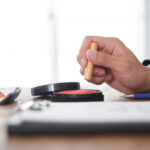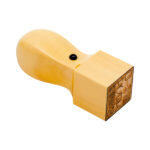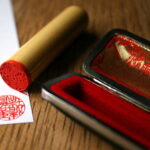

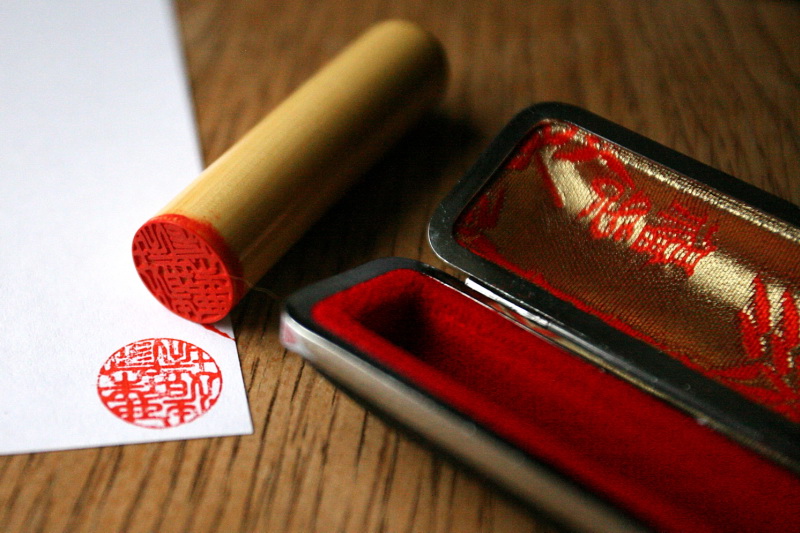
Your hanko is not a toy, and it is not disposable. In Japan, a personal seal carries real legal weight—used on rental contracts, bank paperwork, residence registrations, and employment documents. Knowing how to clean a hanko properly, and how to keep it in working condition, is something most foreigners figure out too late, usually after a smeared impression gets rejected at a city hall counter or a bank branch.
This guide covers everything you need to maintain your seal: what causes damage, how to clean different materials correctly, how to store and travel with your hanko, and how to care for your ink pad. Whether you bought your seal as a meaningful souvenir or rely on it for daily life in Japan, the information here will help you get clean, consistent impressions every time.
What Damages a Hanko
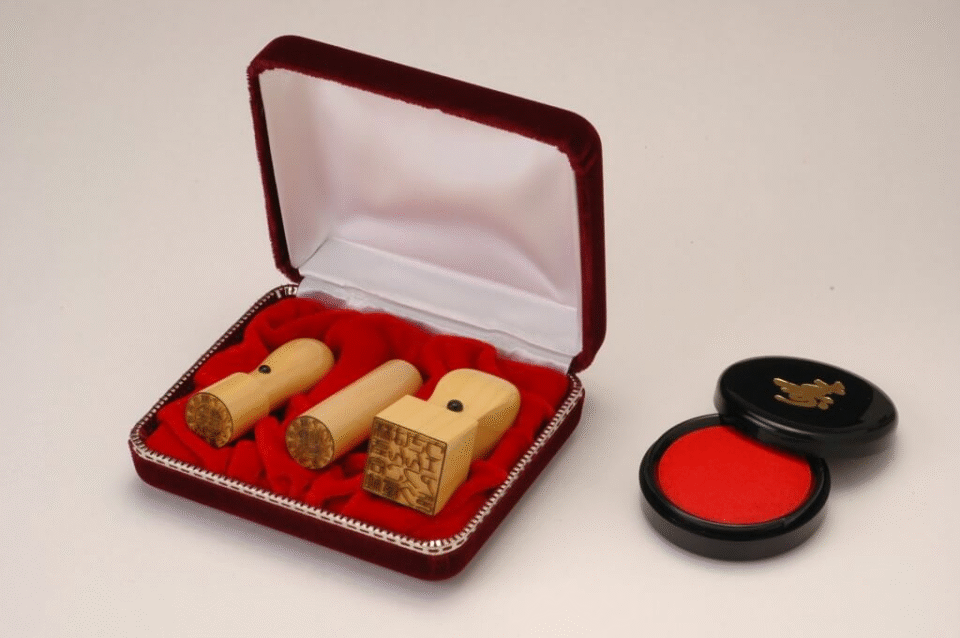
Before getting into cleaning and storage, it helps to understand what actually degrades a hanko. Most damage is preventable once you know what to avoid.
Dried or built-up ink is the most common problem. Every time you press your seal into an ink pad and onto paper, a thin layer of ink stays in the carved grooves. Over time, that residue hardens, especially if the seal sits unused for weeks. When the ink builds up enough, it fills in the fine details of your characters, and your next impression comes out blurred or incomplete.
Heat and direct sunlight affect both the seal face and the body. Wood expands and contracts with temperature changes, which can cause warping or micro-cracks in the carved surface. Resin and acrylic handles can fade or become brittle. Stone materials like soapstone or crystal are more stable, but the carved face is still vulnerable if the seal is stored carelessly or knocked against other hard objects.
Moisture is a quieter threat. A hanko stored in a humid drawer or left in a bag after sweaty commutes can develop mold on wood-bodied seals, or cause the ink to spread unevenly across porous materials. Japan’s summers make this a real concern, particularly for foreigners living in older apartments without good ventilation.
Dropping and impact can chip the carved face, especially on stone seals. Even a short drop onto a tile floor can crack a character or break off a fine line in the engraving. Once that happens, the impression is no longer accurate, and in formal contexts—bank applications, notarized documents—a damaged impression may not be accepted.
Incorrect cleaning methods also cause damage. Using rough cloths, alcohol-based solvents on resin, or soaking a wooden seal in water can destroy the surface faster than normal use would.
Cleaning by Material
Cleaning a hanko correctly depends on what the seal is made from. The wrong approach for one material can ruin another, so identify your material before you start.
Wood seals (boxwood, cherry, bamboo): These are the most common and the most sensitive to moisture. After each use, gently blot the face of the seal with a clean, dry tissue or a soft lint-free cloth. Do not rub in circular motions—press lightly and lift. If ink has built up in the grooves over time, use a barely damp cloth (water only, no soap) and press it against the face, then let the seal air-dry face-up for a few minutes before returning it to its case. Never submerge a wood seal in water, and never use cotton swabs aggressively in the grooves, as fibers can snag on the engraving.
Resin and acrylic seals: These are more forgiving. A soft damp cloth works well for routine cleaning. For stubborn built-up ink, a small amount of mild soap diluted heavily in water can be applied with a soft brush—a clean toothbrush with soft bristles is ideal. Rinse lightly and dry immediately. Avoid alcohol-based products, as they can cloud or crack the surface of cheaper acrylic over time.
Stone seals (soapstone, crystal, obsidian): Stone is durable but the carved face can be fragile. Clean with a soft dry cloth after each use. For deeper cleaning, a damp cloth is fine; stone does not absorb moisture the way wood does. The main risk with stone is impact, not cleaning, so handle these seals carefully.
Ivory and horn (older seals): These materials are less common in newer seals but if you have an inherited or vintage inkan, treat them like wood—minimal moisture, gentle blotting, no solvents.
A practical routine: after any formal use (signing a contract, opening a bank account), blot the seal face immediately before the ink dries fully. This one habit eliminates most buildup problems.
Common mistakes:
- Using paper towels, which are rough and can scratch fine engravings
- Pressing too hard when wiping, which pushes ink deeper into grooves instead of removing it
- Leaving the seal face-down on any surface between uses
- Using nail polish remover or rubbing alcohol on resin or wood seals
- Skipping cleaning because “it’s just a souvenir”—even decorative seals deteriorate if never maintained
Storage and Travel Tips
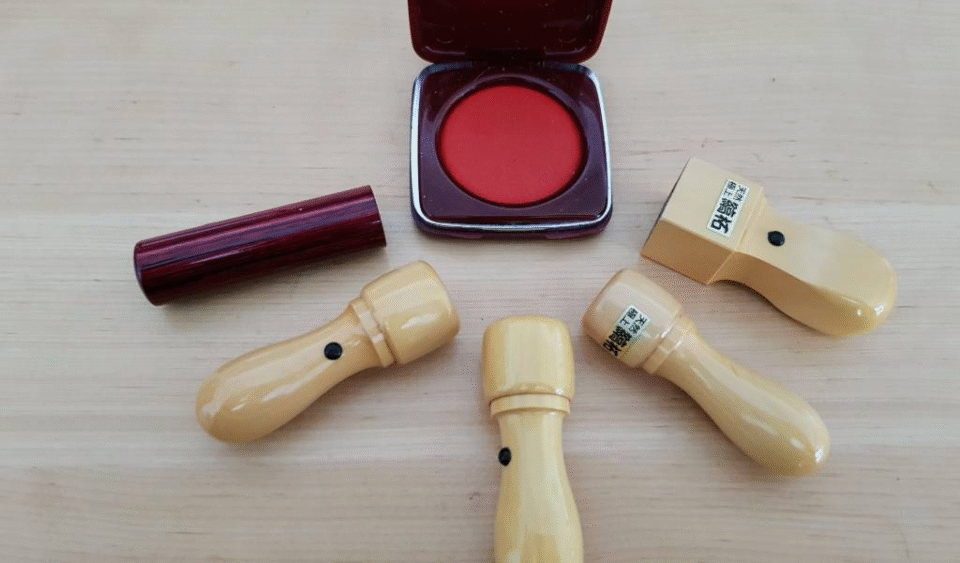
How you store your hanko between uses matters as much as how you clean it. In Japan, it is standard practice to keep a seal in a dedicated stamp case (印鑑ケース, inkan kēsu). These small cylindrical or box-style cases protect the carved face from dust, impact, and humidity, and they make it easy to carry your seal without it rattling loose in a bag.
At home: Store your hanko in its case, upright or on its side with the face protected, in a cool dry drawer away from direct sunlight. Avoid storing it near windows, on top of electronics that generate heat, or in a bathroom cabinet where humidity fluctuates.
At work: Many people in Japan keep their seal in their desk drawer. If your workplace requires you to use your hanko frequently, a small desk case or a fabric pouch is fine, as long as the face is not exposed. If you’re preparing for a new job offer via ComfysCareer, keep your hanko in good condition—workplaces expect clean impressions.
Traveling within Japan: If you are visiting city hall, a bank, or a ward office, carry your seal in its case inside a small zip pouch. This protects it from the contents of your bag pressing against it. Stone seals in particular should be wrapped or cased before travel.
Traveling internationally: If you’re a resident leaving Japan temporarily, pack your hanko in a hard-sided case or a padded pouch in your carry-on. Checked luggage compression and temperature changes in cargo holds are not kind to engraved materials.
Long-term storage: If you are leaving Japan for several months and won’t need your seal, wrap it in acid-free tissue and store it in a small box in a stable-temperature environment. Avoid sealed plastic bags, which can trap humidity.
A quick checklist for hanko storage:
- Always use a proper stamp case or protective pouch
- Store away from heat sources and direct sunlight
- Keep away from high-humidity areas (bathrooms, poorly ventilated closets)
- Do not store face-down or loose in a bag
- For stone seals, wrap individually to prevent chips
- Check the seal every few months if it is in long-term storage
Ink Pad Care
Your ink pad (shuniku, 朱肉) is part of the seal system, and a dried-out or contaminated pad will undo even the most careful cleaning of the seal itself.
Choosing the right ink: Traditional Japanese seal ink is vermilion red (朱色) and oil-based, formulated to give crisp impressions on a range of paper types. For formal documents—residency registration, real estate contracts, official bank paperwork—this is the only acceptable ink color. Black ink is used for everyday office stamps, not for registered personal seals.
Keeping the pad moist: Seal pads dry out with use and time, especially in air-conditioned environments. Most quality stamp pads have a lid—keep it closed when not in use. If your pad is drying out, some brands offer a small bottle of replenishing oil. Apply it sparingly to the surface and allow it to absorb before use.
Avoiding cross-contamination: If you use more than one seal (some residents have a registered seal and a daily-use seal), do not press both onto the same ink pad. Ink from one seal can transfer small particles of paper fiber or old dried ink onto the pad, which then appears in future impressions.
Replacing the pad: An ink pad does not last forever. If impressions are faint even after the pad appears moist, or if the color has shifted from a clean vermilion to a muddy brown-red, it is time to replace it. Using a degraded pad on a formal document is a common reason impressions get rejected.
Cleaning ink from the seal after pad use: Even with good pad care, some ink transfers to the seal body during use. After pressing the seal, blot the face as described above. Do not return a freshly inked seal to its case—let it sit face-up for a moment first.
FAQ
How often should I clean my hanko? After every formal use and after any session where you have pressed the seal multiple times. Light users (once a month or less) should do a quick blot-clean before and after each use.
Can I use water to clean my seal? A lightly damp cloth is fine for most materials. Do not soak any seal in water, and dry wood seals immediately after any moisture contact.
My impression looks blurry—is the seal damaged? Not necessarily. Blurry impressions are often caused by built-up ink in the grooves, a dry or degraded ink pad, or pressing unevenly. Clean the seal face and test on scrap paper before assuming damage.
What if I drop my stone seal? Inspect the carved face closely under good lighting. Run a finger gently over the surface—you can often feel chips before you can see them. If a character is chipped, the seal may no longer be accepted for formal use, and you would need a replacement.
Can I use my hanko in very cold weather? Yes, but ink flows more slowly when cold. Let your ink pad warm to room temperature before formal use in winter.
How do I know if my stamp case is the right size? Japanese stamp cases are sized for standard seal diameters (10.5 mm, 12 mm, 13.5 mm, 15 mm are common). Check the diameter of your seal before ordering a case. A loose-fitting case offers less protection than a snug one.
Is it okay to store my hanko without a case? Not recommended. Even wrapped in a cloth, an uncased seal is vulnerable to dust, pressure from bag contents, and accidental impact. A proper stamp case is a small investment that protects an item that may be difficult or time-consuming to replace.
Next Steps

A clean, well-maintained seal makes every formal interaction in Japan smoother—no rejected impressions, no apologies at the counter, no delays on paperwork that needed to be filed yesterday. If your current seal is showing wear, if you are setting up life in Japan for the first time, or if you simply want a quality case to protect what you already own, HankoHub carries a range of personal seals and protective accessories suited to both everyday use and formal registration. Browse the full selection at HankoHub and start your time in Japan with a seal that is ready when you need it.