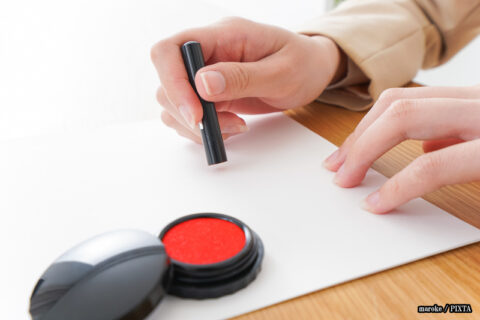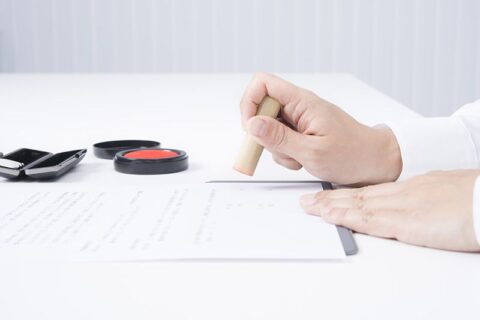


You’ve got the job. The hotel manager shook your hand, HR sent over the paperwork, and now you’re sitting in front of a contract packet with a small printed circle next to your name. Everyone in the room seems to know what goes there. You don’t. That circle is waiting for your hanko — a personal seal — and without it, the whole process stalls.
For foreigners stepping into Japan’s hospitality industry, hanko for hotel staff in Japan is one of those practical realities nobody warns you about in advance. The job listing didn’t mention it. The interview didn’t bring it up. But the moment you sit down to sign your employment contract, it becomes the only thing that matters.
This guide walks you through exactly why hotel workers in Japan are asked for a hanko, what documents you’ll encounter and when, which type of seal to order, and how to get one without navigating a Japanese-language website. Whether you’re joining a budget business hotel, a mid-range city property, or a large international chain with Japanese ownership, the administrative expectations are more similar than you might think.
Why This Segment Is Asked for a Seal

Japan’s hospitality industry is one of the most foreigner-accessible employment sectors in the country, but it runs on Japanese administrative infrastructure. That means contracts, internal forms, and HR documents that follow Japanese conventions — including the expectation of a personal seal rather than a handwritten signature.
The hanko has been Japan’s standard method of confirming identity on documents for centuries, and while digital signatures are slowly entering the picture in some corporate environments, the physical stamp remains dominant in day-to-day employment paperwork. For hotel HR departments processing dozens of seasonal hires, contract renewals, and shift supervisor appointments, the hanko is simply how things get done.
Hotel work also tends to generate more ongoing paperwork than many people expect. It’s not just the initial contract. Larger properties — especially those affiliated with domestic or international chains — have structured internal systems for shift management, cash handling, inventory sign-off, and incident reporting. Many of these use stamped acknowledgment as the standard confirmation method.
Here’s a scenario that illustrates why this matters early: A foreigner gets hired as front desk staff at a mid-size hotel in Osaka. On their first day, HR presents a contract packet, a tax withholding form, and a social insurance enrollment sheet. Three separate documents, each with a stamp box. The foreigner has a signature ready. HR politely explains that a hanko is required. The paperwork gets held, the foreigner is asked to come back, and their payroll setup is delayed by a week.
Another common situation: A foreign housekeeper at a resort property gets promoted to team leader. The new role requires signing off on room inspection logs and supply requisition forms daily. The property uses a stamp-based sign-off system. Without a hanko, every form either waits or gets someone else’s stamp — which is not a sustainable situation.
The short version: in Japan’s hotel industry, your hanko is professional equipment. It belongs in your work bag alongside your staff ID.
Common Documents and Timelines
Understanding exactly when you’ll need your hanko — and for what — removes the guesswork and helps you prepare properly.
At onboarding (before or on day one):
- Employment contract (雇用契約書): The primary document requiring a stamp; confirms your agreement to the terms of employment
- Withholding tax declaration (給与所得者の扶養控除等申告書): Required for payroll processing; many hotel HR departments require a hanko here
- Social insurance enrollment forms: If you’re enrolled in shakai hoken through your employer, related forms commonly require a stamp
- Bank account registration for salary: Some properties use internal forms that request a hanko alongside your account number
- Dormitory or staff accommodation agreements: Hotels that provide staff housing often have separate stamped agreements for this arrangement
During regular employment:
- Shift confirmation and attendance records: Larger hotel operations often use stamped logs rather than digital sign-ins
- Cash handling acknowledgment forms: Front desk and cashier roles frequently involve stamped responsibility records
- Internal promotion or role change documentation
- Department transfer forms
- Expense claims and reimbursement requests
When leaving:
- Resignation letter (退職届): Conventionally stamped in Japanese employment culture
- Document receipt confirmations at offboarding
- Final settlement paperwork
Timeline note: Many hotel HR teams will mention the hanko requirement during the job offer stage or when sending over the contract for review. If yours didn’t, follow up before your first day. Arriving without a hanko when documents are ready to be processed creates delays that affect your own payroll registration.
Common mistakes at this stage:
- Assuming a signature is universally accepted. Some international hotel brands in Japan have adapted their HR processes; many have not. Don’t assume yours has.
- Using a 100-yen shop seal with a generic Japanese name. If the name on the seal doesn’t match your registered name on file, the document is technically invalid and can cause record-keeping problems.
- Borrowing a colleague’s hanko. This is surprisingly common and genuinely problematic — documents stamped with another person’s seal carry that person’s identity, not yours.
- Ordering a hanko after the contract meeting has already been scheduled. Order early, with buffer time.
Recommended Hanko Type and Size
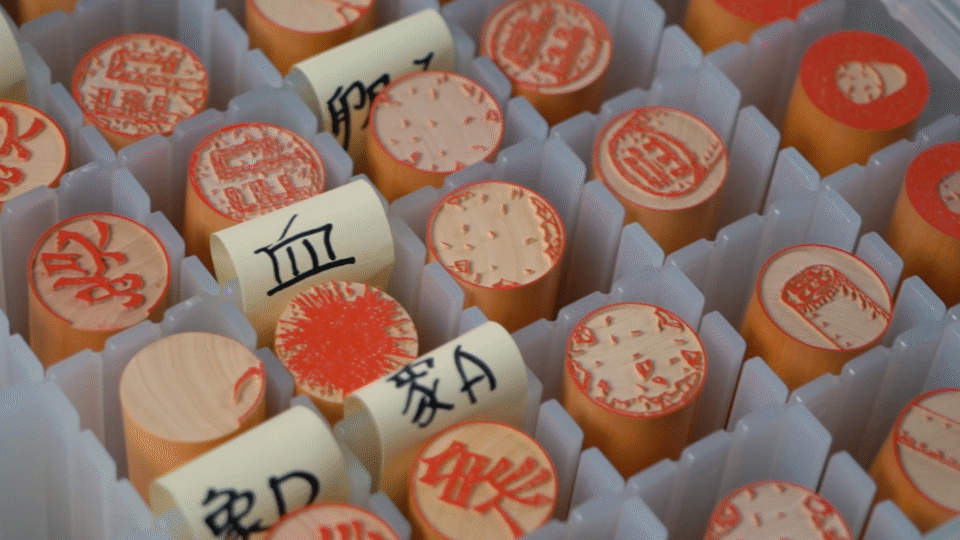
Hotel staff handling standard employment and internal admin paperwork do not need a registered hanko. What you need is a mitomein (認め印) — an everyday personal seal used for general documents. Registration at the city office (which produces what’s called a jitsuin) is reserved for high-stakes legal transactions like property purchases or vehicle registration. For employment contracts, shift logs, and internal hotel forms, a mitomein is the standard and appropriate choice.
Size: 10.5mm or 12mm diameter covers almost every situation you’ll encounter in hotel employment paperwork. These sizes fit the stamp boxes printed on standard Japanese HR forms. A larger seal can be awkward on smaller form fields and is unnecessary for this context.
Material: Resin or acrylic is practical, durable, and affordable. It handles regular use without warping or degrading. You don’t need premium materials for a daily-use work stamp.
Name on the seal: This is the decision that requires the most thought for foreigners. Your main options are:
- Katakana — the phonetic Japanese script used to render foreign names. This is the most commonly recommended option for foreigners working in Japan. It looks correct on Japanese forms, aligns with how HR databases typically record foreign staff names, and is widely accepted.
- Romaji — Latin alphabet lettering. Accepted at many properties, particularly international chains or hotels with a high proportion of foreign staff. Less universally accepted than katakana.
- A Japanese reading of your name — occasionally used but can create confusion if it doesn’t match official identification documents.
For most hotel workers, katakana is the practical default. When in doubt, go with the script that will look most natural to a Japanese HR administrator processing your paperwork.
Ordering Tips in English
The ordering process is where many foreigners hit an unexpected wall. Japanese hanko websites are often entirely in Japanese, with name input fields and script selection menus that are difficult to navigate without reading the language. HankoHub is built specifically for this situation — an English-language ordering process designed for foreigners who need a proper personal seal without the language barrier.
Here’s what to prioritize when ordering:
A fully English ordering process. You should be able to enter your name in English and have the service handle the katakana conversion without you needing to figure it out yourself. The rendering should be clear and confirmed before you finalize the order.
Name preview before production. Katakana rendering is not always straightforward. “Daniel” could become ダニエル or デニエル depending on interpretation. A reliable service will show you the exact rendering and let you confirm or adjust it before the seal is made.
Standard sizes explicitly listed. Confirm that 10.5mm and 12mm options are available. These are the standard sizes for everyday use and should be clearly offered.
Realistic delivery timeframe. Most hotel contracts are signed at a scheduled HR appointment. Order your hanko at least one week before that date. Two weeks is safer if you have it.
Checklist before placing your order:
- Confirm the name your employer has registered for you — it should match your residence card or passport
- Choose your script — katakana recommended for most situations
- Select size — 10.5mm or 12mm for standard form fields
- Check estimated delivery against your contract signing date
- Review the name preview carefully and confirm before ordering
If you’re still looking for the right role, ComfysCareer is a solid starting point for foreigner-friendly jobs in Japan.
FAQ
Do part-time hotel workers need a hanko too? Often, yes. Part-time and seasonal contracts in Japan’s hotel industry commonly use the same document templates as full-time employment. The hanko requirement doesn’t typically disappear based on hours. Check with your specific employer, but it’s safer to have one ready.
My hotel is an international brand. Will they accept a signature? Some international chains operating in Japan have adapted parts of their HR process to accommodate foreign staff. Others maintain Japanese-standard paperwork throughout. You won’t always know in advance which category your employer falls into, so having a hanko removes the risk entirely.
What if my name is difficult to render in katakana? Services that specialize in hanko for foreigners are experienced with this. Long names, unusual phonetics, and names from non-English languages can all be worked with. The key is to review the preview carefully before confirming. If two possible renderings exist, check which one your employer uses in their system.
Do I need to register my hanko at the city office? No. For hotel employment and internal admin purposes, a standard mitomein is sufficient. Registered seals (jitsuin) are for major legal transactions. You don’t need city office registration for anything covered in this guide.
Can I use the same hanko across multiple contexts in Japan? Yes. A mitomein made for your hotel job will also work for apartment contracts, bank forms, utility registrations, and other everyday Japan paperwork. One well-made personal seal tends to serve a wide range of daily administrative needs.
What happens if I lose my hanko at work? Order a replacement promptly. Notify your HR department if the lost seal was used on active employment documents. The practical concern is someone else using your seal to stamp documents in your name — rare, but worth addressing quickly.
Is there any situation at work where I’d need a registered seal instead? For standard hotel employment — contracts, shift logs, internal forms — no. If you’re ever asked for an inkan shomeisho (seal registration certificate), that’s a different situation specific to certain legal transactions, and you’ll be informed explicitly. It won’t come up in routine hotel admin.
Next Steps

If your hotel start date is approaching, the time to order is now, not the morning of your HR appointment. HankoHub offers a straightforward English-language process for foreigners — name rendering in katakana or romaji, a preview before production, and standard sizing that fits Japanese employment forms. Order your personal hanko with enough lead time to hold it in your hand before you sit down to sign anything.