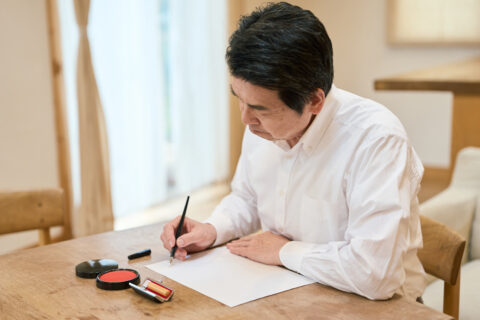


You landed a position at a hotel in Japan. Maybe it is a ryokan in Hakone, a business hotel chain in Osaka, or a boutique property near Shinjuku. The contract arrives, the HR rep hands you a stack of papers, and somewhere in the instructions is a line that mentions a hanko or inkan. You nod, smile, and quietly wonder what exactly you are supposed to do next.
This situation is more common than you might think. Foreigners working in Japan’s hospitality industry encounter hanko requirements at multiple points — often earlier and more frequently than people in other sectors. The paperwork comes fast: employment contracts, dormitory agreements, resident registration forms, bank account applications. And unlike a signature, a hanko is not something you improvise on the spot.
This guide is written specifically for foreign hotel staff navigating Japan’s seal culture for the first time. You will learn why hotels tend to require a hanko, which documents are most likely to need one, which type to order, and how to get it done quickly even if your Japanese is minimal.
Why This Segment Is Asked for a Seal

Hotel work in Japan sits at an interesting intersection of tradition and practicality. Many hotel groups — especially those operating traditional Japanese properties, or larger chains with long-established HR processes — follow administrative procedures that have not changed much in decades. That means hanko.
There are a few reasons why hotel staff in Japan encounter this more often than, say, a freelance designer working remotely.
Employer-side paperwork is dense. When you join a hotel, HR typically processes your employment contract, social insurance enrollment, uniform agreement, and sometimes a non-disclosure form all at once. Many of these documents were designed with a hanko field, and HR staff at mid-size to large hotels are not always equipped to substitute a signature without pushback.
Company dormitories are common in hospitality. A significant number of hotel employers — particularly resort properties and large city hotels — offer or require staff housing. Dormitory agreements and house rules almost always include a hanko field. You are effectively signing a mini rental contract, and the landlord in this case is your employer.
Tax and payroll forms require it at some institutions. Year-end adjustment forms (nenmatsu chosei) and certain payroll-related documents at traditional employers still include a hanko field. This varies by company, but it comes up enough to matter.
There is also a softer reason. In Japan, arriving with your own hanko signals that you are prepared. Showing up to onboarding ready to stamp — rather than asking HR to accommodate a signature — removes friction and makes a quiet positive impression. That is not nothing in a workplace culture that values readiness and attention to detail.
Common Documents and Timelines
Understanding which documents come when helps you plan. Here is a realistic timeline for a hotel staff member arriving in Japan:
Before or on day one:
- Employment contract (koyo keiyakusho) — often the first document you will stamp
- Social insurance enrollment forms
- Direct debit authorization for salary payment at some employers
Within the first two weeks:
- City hall registration — a hanko is not always required here, but it is sometimes requested depending on your ward office and circumstances
- Bank account application — most major banks and Japan Post still commonly ask for a personal seal when opening a new account, though policies vary by institution
- Dormitory agreement, if applicable
Ongoing:
- Internal personnel change forms
- Year-end tax adjustment forms at some employers
- Dormitory agreement renewals
A realistic scenario: Maria, a front desk hire at a mid-size hotel in Nagoya, was told on her second day to bring a hanko to an HR meeting that afternoon. She had not heard of hanko before arriving in Japan. She found a shop nearby but her foreign name was not in any of the pre-made options. The staff tried to help but the engraving took two days. She stamped the documents late, and the HR coordinator had to follow up twice. It was not a disaster, but it was an awkward start.
Another scenario: Daniel accepted a position at a resort in Okinawa that included staff accommodation. The dormitory agreement arrived by email the week before his start date with a note that he would need to stamp it on arrival. Because he had ordered a custom hanko from HankoHub before leaving his home country, he walked in on day one with everything ready. The HR staff mentioned it specifically — it made the whole check-in process faster.
The lesson is consistent: order your hanko before you arrive in Japan, or at minimum within your first few days, not after the paperwork lands on the desk.
Recommended Hanko Type and Size
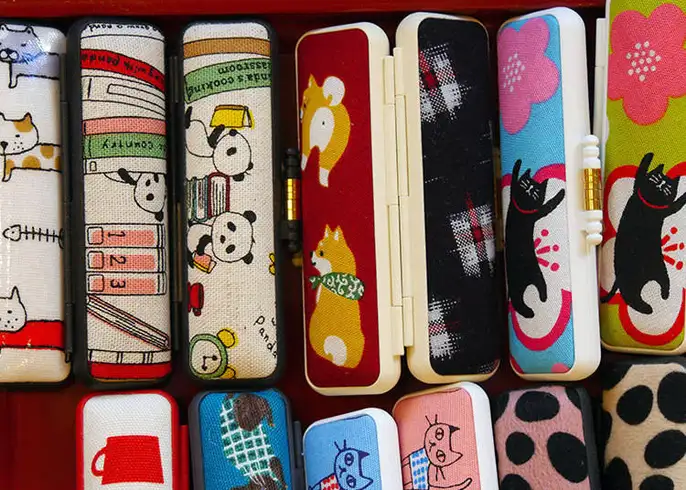
Not all hanko are equal, and for hotel staff purposes, you do not need anything elaborate. Here is a clear breakdown.
Type: Mitomein (認め印) This is the everyday personal seal used for non-financial, non-legal documents. It covers employment contracts, dormitory agreements, and most HR paperwork. You do not need a jitsuin (registered seal) for these purposes unless a document specifically requests one — which is uncommon in standard hotel employment contexts.
Size: 10.5mm or 12mm diameter Both are standard for personal use. 10.5mm is the most common for everyday documents. 12mm is slightly more versatile if you want a seal that can also work for minor banking paperwork. Either is appropriate.
Material: Resin or eco-wood For practical daily use, resin and eco-wood are durable, affordable, and appropriate. You do not need premium materials at this stage. Save those considerations for a jitsuin if you ever need one later.
Name: Katakana or romaji? This is a common sticking point. Most Japanese hanko makers can engrave foreign names in katakana, which tends to be more accepted in formal settings. Romaji is also available and increasingly accepted, especially at international employers. If your HR department has a preference, ask before you order.
Common mistakes to avoid:
- Ordering a seal that is too large — anything above 15mm is unusual for personal documents and may not fit the stamp boxes on forms
- Using a nickname or informal version of your name rather than your legal name
- Ordering a jitsuin-style seal when a simple mitomein will do — it costs more and adds no benefit for standard hotel paperwork
- Buying a ready-made seal at a convenience store if your name is non-Japanese — they will not have your name, and generic seals are sometimes not accepted on formal documents
- Forgetting to order an ink pad — your hanko is unusable without one
Ordering Tips in English
One of the most common frustrations foreigners report is not knowing how to order a hanko when their Japanese is limited. The good news is that ordering in English is entirely possible and easier than it used to be.
HankoHub is built specifically for this situation. The ordering process is in English, you can choose how your foreign name is rendered — katakana, romaji, or a combination — and select your size and material. The seal ships to your address in Japan. For hotel staff dealing with a tight onboarding window, this removes a real logistical obstacle.
A few practical ordering tips:
- Confirm the name format with HR first. Before you order, send a quick message to HR asking whether they prefer katakana or romaji. Most will not mind either way, but it is better to know upfront.
- Order early. Standard production and shipping takes a few business days. If you know you are moving to Japan for hotel work, order before you leave your home country if possible.
- Keep it simple for your first seal. A clean engraving of your family name in katakana on a standard resin seal covers nearly everything you will encounter as hotel staff.
- Get an ink pad with your order. A basic vermillion (shuniku) ink pad is the Japanese standard. Some orders include one; check before purchasing separately.
If you are still looking for the right role, ComfysCareer is a solid starting point for foreigner-friendly jobs in Japan.
FAQ
Do I absolutely need a hanko, or can I use a signature? It depends on the employer. Some international hotel brands have updated their HR processes and accept signatures from foreign staff. Many traditional or mid-size Japanese hotel groups still expect a hanko for internal documents. It is safer to have one ready and not need it than to need one and not have it.
Can I use a 100-yen shop hanko? For common Japanese names, pre-made inexpensive seals are widely used without issue. For foreign names, they are almost certainly unavailable. A custom seal is necessary, and it looks more professional on formal documents regardless.
What if my name is very long? Hanko makers who work with foreign names — including HankoHub — are accustomed to this. Using just the family name is the most common approach for foreigners. Some people use an abbreviated version. Clarify with your maker before finalizing the order if your name is unusually long.
Do I need to register my hanko at city hall? No, not for standard hotel employment paperwork. A mitomein does not need to be registered anywhere. Only a jitsuin requires official registration, and that is typically needed for property purchases or vehicle transactions — not everyday work documents.
My employer gave me a company seal. Do I still need my own? Yes. A company seal is used for official business purposes on behalf of the organization. Your personal documents — your bank account, your dormitory agreement as an individual — require your own personal hanko.
Will a hanko ordered from outside Japan work? Yes, as long as the size and engraving meet standard requirements. There is no centralized registry for mitomein, so a seal ordered from a reputable online maker works the same as one bought at a local shop in Japan.
What if a document only has a signature line and no hanko box? In that case, a signature is appropriate. Hanko and signatures are not always interchangeable — use whichever the document specifically requests.
Next Steps

If you are joining a hotel in Japan — or preparing to — the hanko question will come up sooner than you expect. Getting yours sorted before onboarding day removes one variable from an already busy transition.
Head to HankoHub to order a practical personal hanko in English. Choose your name format, pick a size that works for standard employment documents, and have it ready before the paperwork arrives. It is a small step that makes the first weeks of work in Japan noticeably smoother.