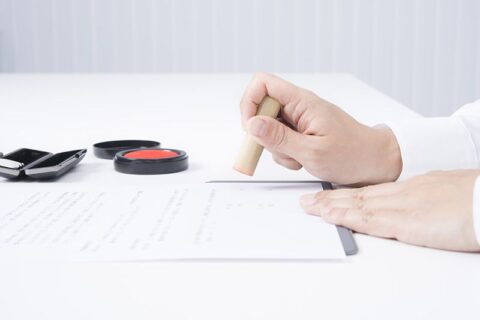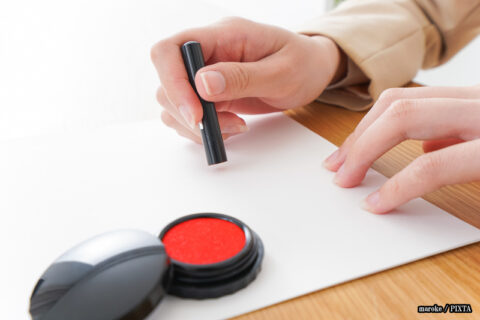


If you’ve just landed a restaurant job in Japan — or you’re about to — someone is going to hand you a form and point to a small square box near your name. That box is for your hanko. Not a signature. Not initials. A seal. And if you don’t have one, the paperwork stops.
For most foreigners working in Japan’s food service industry, this moment comes as a surprise. You came prepared to take orders, work the kitchen, or manage the floor. Nobody mentioned you’d need a carved stamp just to get through onboarding. But hanko for restaurant staff in Japan is a real, practical requirement — and understanding it early saves you from scrambling at the worst possible time.
This guide explains exactly why restaurant workers are asked for a hanko, which documents you’ll actually need it for, what type to order, and how to do that in English without confusion. Whether you’re starting a part-time shift at an izakaya or moving into a full-time role at a chain restaurant, this is what you need to know.
Why This Segment Is Asked for a Seal

Japan’s administrative culture runs on seals. Where most countries use a handwritten signature to confirm identity on formal documents, Japan uses a physical stamp — the hanko or inkan. This isn’t a formality from the distant past. It’s actively used today, especially in employment contexts.
Restaurant workers encounter this earlier than many other job categories. The reason is practical: food service is one of the most accessible industries for foreigners in Japan, with high turnover, frequent part-time contracts, and a heavy reliance on standardized paperwork. HR departments in this sector process a lot of documents quickly. A hanko speeds that process up and, in their system, carries more formal weight than a signature alone.
There are also institutional reasons. Many restaurant groups — from mid-size regional chains to large national operators — still use physical contract packets that require stamped acknowledgment on multiple pages. Your employer needs proof you’ve reviewed and accepted terms. The hanko is that proof.
Here’s a scenario that plays out often: A foreigner gets hired at a family restaurant chain. On their first day, they’re handed a six-page employment packet. Every section requiring acknowledgment has a small circle printed next to it. The HR staff, who may not speak English, gestures toward those circles. This is not a moment to improvise with a pen.
Another common situation: a part-timer at a ramen shop gets promoted to shift leader and needs to sign off on ordering forms and daily cash reports. The shop uses a stamp log. Without a hanko, the paperwork either gets held up or someone else stamps for them — which becomes awkward fast.
The underlying point is this: in Japan’s restaurant industry, a hanko is not optional equipment. It’s expected.
Common Documents and Timelines
Knowing which documents require a hanko — and when — helps you plan. Here’s a breakdown of what restaurant staff typically encounter.
At onboarding (day one or before):
- Employment contract (雇用契約書): Usually requires a stamp confirming you’ve read and agreed to terms
- Withholding tax form (給与所得者の扶養控除等申告書): Required for payroll setup; some employers accept a signature, others require a hanko
- Social insurance enrollment forms: If your employer registers you for shakai hoken (health and pension), related forms often require a stamp
- Bank account registration for salary payment: Some employers use internal forms that ask for a hanko alongside your account details
During regular work:
- Shift confirmation sheets: Larger operations sometimes use stamped attendance logs
- Internal transfer or department change forms
- Expense reimbursement requests
- Shift leader or manager-level sign-off forms
When leaving:
- Resignation letter (退職届): Often expected to be stamped, not just signed
- Final settlement or document receipt confirmations
Timeline reality check: Most employers will tell you about the hanko requirement either during the job offer stage or at the contract signing meeting. If yours didn’t mention it, ask HR directly before your first day. Showing up unprepared delays your own paperwork and can hold up your first paycheck registration.
Common mistakes in this stage:
- Assuming a signature works everywhere. Some employers will accept it; many won’t. Don’t assume.
- Borrowing a friend’s hanko. This is a real problem. If the name on the hanko doesn’t match your registered name, the document is invalid.
- Using a 100-yen shop rubber stamp with a Japanese surname that isn’t yours. This creates a paper trail mismatch and can cause issues with official records.
- Waiting until you’re sitting across from HR to figure this out. Order your hanko before the contract meeting.
Recommended Hanko Type and Size
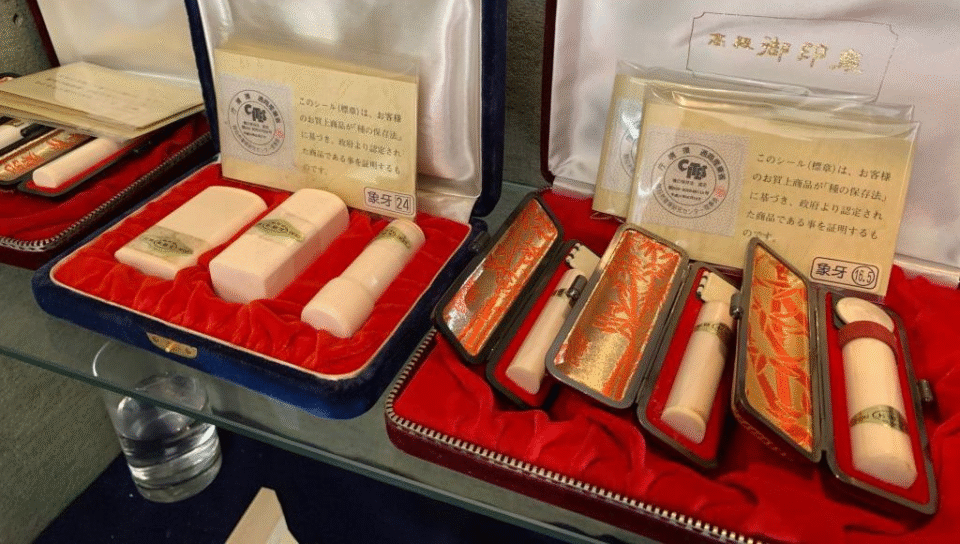
Not all hanko are the same. For restaurant staff handling daily admin — not real estate, not bank registration, not legal filings — you need what’s called a mitomein (認め印). This is an everyday personal seal, not a registered one.
You do not need to register your hanko at the city office for general employment use. Registration (jitsuin) is for major legal transactions. For employment contracts, shift logs, and internal forms, a mitomein is standard and sufficient.
Size: 10.5mm or 12mm diameter is the practical range for daily use. Most HR boxes on Japanese forms are sized for these. Anything larger can be awkward on standard form fields.
Material: Resin or acrylic is fine for everyday stamping. It’s durable, affordable, and doesn’t warp with regular use. Wood is also acceptable. You don’t need to spend a lot for a workhorse seal.
Name on the seal: This is where foreigners have to make a decision. Your options are:
- Your name in katakana (phonetic rendering of your name in Japanese script) — the most common and recommended choice
- Your name in romaji (Latin alphabet) — accepted by many employers, especially in international or tourist-facing environments
- A Japanese reading of your name — occasionally used but can create confusion if it doesn’t match your official documents
For most restaurant workers, katakana is the safe default. It looks right on Japanese forms, matches how Japanese HR systems are likely to record your name, and is widely accepted.
Ordering Tips in English
This is where many foreigners get stuck. The process of ordering a hanko in Japanese — navigating kanji options, name rendering, script choices — is genuinely confusing if you don’t read the language. HankoHub exists specifically to solve this.
Here’s what to look for when ordering:
A clear English-language process. You should be able to enter your name in English and have the service handle the conversion to katakana or your chosen script. No guessing, no hunting through dropdown menus you can’t read.
Name preview before ordering. A good service will show you exactly how your name will appear on the seal before you confirm. This matters. Katakana rendering varies — “Michael” can become マイケル or ミカエル depending on who’s transcribing. Confirm it before it’s carved.
Standard sizing available. Make sure 10.5mm or 12mm options are explicitly listed. For restaurant admin use, you don’t need a custom-fit executive seal.
Reasonable delivery time. If you know your start date, order at least one week in advance. Many services ship quickly, but buffer time prevents the scramble of asking HR to wait while your seal is in transit.
Checklist before you order:
- Confirm which name your employer has on file (matches your residence card or passport)
- Decide on script: katakana recommended for most cases
- Choose size: 10.5mm or 12mm for standard form use
- Check delivery time against your contract signing date
- Review the name preview carefully before confirming
If you’re still looking for the right role, ComfysCareer is a solid starting point for foreigner-friendly jobs in Japan.
FAQ
Do I really need a hanko for a part-time restaurant job? Often, yes. Part-time contracts in Japan’s food service sector frequently use the same paperwork templates as full-time ones. The requirement doesn’t disappear because you’re working 20 hours a week. Ask your employer directly, but plan for needing one.
Can I use my signature instead? Some employers accept signatures, particularly smaller independent restaurants or those with more international staff. But many do not, and you won’t know until you’re sitting in the HR meeting. Having a hanko removes the uncertainty entirely.
What if my name is long or unusual? Most hanko services that cater to foreigners are familiar with long Western names and will work with you on a reasonable rendering. The physical seal can only fit a limited number of characters, so for very long names, a shortened or primary name version is common. Confirm this with the service before ordering.
Does my hanko need to be registered at the city office? No, not for restaurant employment use. Registered seals (jitsuin) are for legal transactions like property purchases. For employment contracts and daily admin, a standard mitomein is completely appropriate.
What if I lose my hanko? Get a replacement made as soon as possible. If you’ve used the seal on active employment documents, notify your HR department. The practical risk is someone else using your seal to stamp documents — unlikely, but worth resolving quickly.
Can I use the same hanko for other purposes in Japan? Yes. Your mitomein will work across a wide range of everyday administrative contexts — apartment paperwork, bank forms, utility registrations, and more. One well-made seal tends to cover most of your daily Japan paperwork needs.
Is a cheap 100-yen shop hanko acceptable? Technically some employers accept them, but there’s a real risk: 100-yen shop seals typically carry common Japanese surnames, not your name. Using a seal that doesn’t match your registered name on employment documents can create record-keeping problems. A properly made personal seal with your actual name is always the better choice.
Next Steps

If you’re starting a restaurant job in Japan soon — or you’re mid-process and realizing you need a seal before your next HR appointment — the practical move is to order now rather than the day before you need it. HankoHub makes the process straightforward for foreigners, with English-language ordering, name preview, and standard sizing that fits real Japanese admin forms. Order your personal hanko, confirm your name rendering, and walk into that contract meeting prepared.