

Most foreigners living in Japan encounter the hanko early—signing a lease, receiving a parcel, starting a new job. For a while, an unregistered stamp handles everything just fine. Then comes the moment it does not: buying a car, signing a property contract, taking out a loan. Suddenly you need a registered seal, and you realise you have never been through that process.
Inkan toroku—hanko registration—is the procedure that elevates your personal stamp from a convenient signature substitute to a legally recognised instrument. It is not complicated, but it has specific requirements, and foreigners face a few extra considerations that Japanese nationals do not. A wrong name format, an undersized stamp, or a missing document can send you home empty-handed.
This guide walks through the entire process: what inkan toroku actually is, what you need to bring, exactly what happens at city hall, and what to do if your foreign name causes friction. If you are a foreign resident in Japan who needs a registered seal—or wants to be ready before the need arises—this is the practical walkthrough you need.
What inkan toroku is
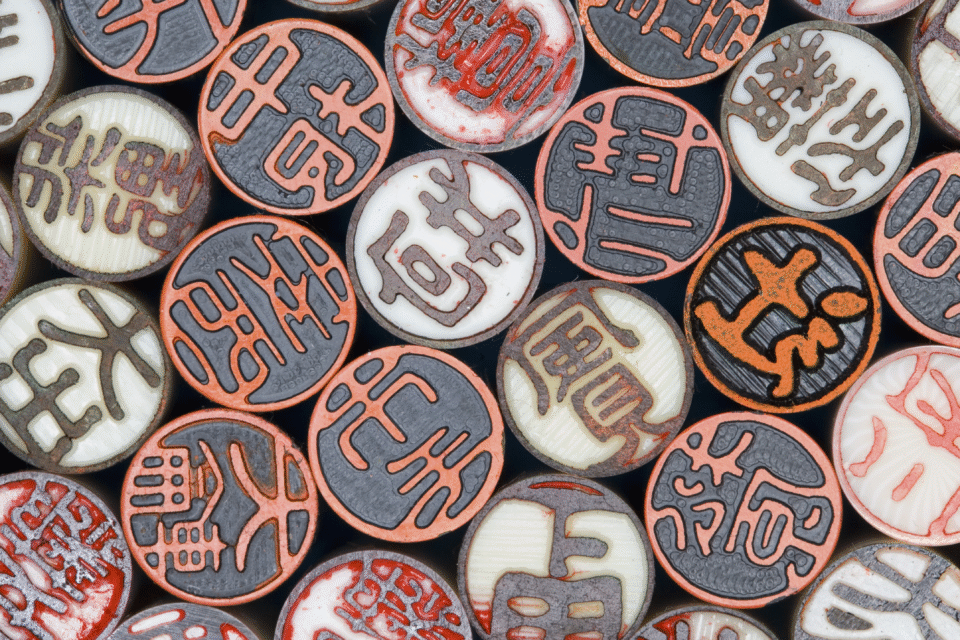
Inkan toroku (印鑑登録) is the official registration of a personal seal with your local municipal office—your ward office, city hall, or town office, depending on where you live. Once registered, your hanko becomes a jitsuin (実印), meaning a legally recognised stamp.
The registration creates a record linking your seal’s impression to your identity as a resident. When you use a jitsuin for an official transaction, you typically also present an inkan shomeisho (印鑑証明書), a certificate issued by the same municipal office that confirms the registered seal belongs to you. The combination of stamp plus certificate is what carries legal weight.
Not every hanko needs to be registered. The majority of daily use—delivery slips, internal office documents, apartment applications—calls for an unregistered hanko called a mitome-in or sanmonban. Registration is specifically required for high-stakes transactions: real estate purchases, vehicle purchases, significant loan agreements, and certain legal contracts. If you are not sure whether your situation requires a jitsuin, ask the institution handling the transaction. They will tell you clearly.
For foreign residents, registration is available once you are enrolled in the Japanese resident register (住民票, juuminhyo). If you hold a residence card and are registered at your local address, you are eligible. Tourists and short-term visitors on tourist visas cannot register a seal.
What you need to bring
Preparation matters here. City hall staff are helpful, but showing up without the right documents means a wasted trip.
Here is what you generally need:
- Your residence card (在留カード, zairyu card) — This is your primary form of identification and the document that determines how your name appears in the register.
- The hanko you want to register — It must meet specific size and design requirements (covered below).
- The inkan toroku application form — Available at the municipal office itself, so you do not need to print it in advance. Staff can provide it when you arrive.
- A second form of ID — Not always required, but some offices ask for it, especially for first-time foreign applicants.
Hanko requirements for registration
Not every stamp qualifies. The rules vary slightly by municipality, but these are the standard requirements across most offices in Japan:
- The impression must be between 8mm and 25mm in diameter (most personal hanko are 13.5mm or 15mm, both of which are fine)
- The characters must be clear and legible—blurry, cracked, or mass-produced stamps with identical impressions are refused
- The name on the stamp must match or reasonably correspond to the name in your resident register
- Stamps made of soft rubber are often rejected; resin, wood, and harder materials are generally accepted
The name-matching requirement is where foreign residents sometimes run into difficulty. This is covered in detail in the common issues section below.
Step-by-step at city hall

The process itself is not long. On a quiet weekday morning, most people complete it in under thirty minutes. Here is what to expect.
Step 1: Find the right counter
At most municipal offices, you want the resident services counter (市民課 or 住民課, depending on the office). If you are unsure, approach the information desk at the entrance and say “inkan toroku o shitai no desu ga” (印鑑登録をしたいのですが). They will direct you.
Step 2: Collect and fill out the application form
The form asks for your name, address, date of birth, and the name as it appears on the hanko. Fill it out in romaji or katakana as appropriate. If you are uncertain how to complete any field, ask the staff—most offices in larger cities have at least one person who can assist in basic English, and the form itself is short.
Step 3: Present your documents and stamp
Hand over the completed form, your residence card, and the hanko. The staff member will press the hanko onto an ink pad to capture the impression, verify that it meets requirements, and cross-reference your name against the resident register.
Step 4: Verification
In some cases, particularly for first-time applicants or where the name format requires extra checking, the staff may take a few minutes to confirm details internally. If there is a question about your name, they will ask. This is normal—not a sign that something has gone wrong.
Step 5: Receive your registration card
Once approved, you receive an inkan toroku card (印鑑登録証). This card is what you present when you later request an inkan shomeisho certificate. Keep it safe—losing it requires cancelling the registration and starting again.
The whole process typically costs a small administrative fee (often around 300 yen, though this varies by municipality).
Common foreign-name issues
This is the section most guides skip, and it is the most practically useful for foreign residents.
The name-matching problem
Your residence card shows your name in romaji. If your hanko is in katakana, the office needs to accept that the katakana rendering corresponds to the same name. Most municipal offices in cities with significant foreign populations—Tokyo, Osaka, Nagoya, Fukuoka—are experienced with this and will accept a standard katakana rendering without difficulty. Smaller or more rural offices occasionally push back, particularly if staff are less familiar with foreign name processing.
To minimise friction, bring documentation that shows both versions of your name if you have it—a document from your employer or your juuminhyo printout that lists your name in both scripts can help establish the connection clearly.
When the katakana rendering is unusual
Some foreign names transliterate into katakana in ways that are not immediately obvious to Japanese staff. If your name is phonetically complex or comes from a less common language background, it is worth checking in advance that the katakana on your hanko matches the standard rendering that would be applied to your name in a Japanese context. Ordering your hanko from a maker familiar with foreign names—like HankoHub—helps ensure this is handled correctly before you arrive at city hall.
Long names
Japanese names on hanko are typically one to four characters. Foreign names are often longer. This is not a disqualifying problem, but it does affect how the stamp is produced. A well-made hanko accommodates a longer name by adjusting font size and layout. What matters is that the name is legible and complete—truncating or abbreviating is not acceptable for registration purposes.
Common mistakes
Bringing a mass-produced rubber stamp bought at a convenience store is the fastest way to be turned away. These are fine for everyday use but fail the registration requirements on material and impression uniqueness. Ordering a hanko after arriving at city hall—thinking you can buy one from a vending machine outside and register it on the same visit—sometimes works for simple names, but leaves no room for correction if the name rendering is off.
If you are relocating for work, browse ComfysCareer for English-friendly jobs—then handle your seal registration with confidence once you are settled at your new address.
After registration: storage and usage
Once you have your jitsuin and your registration card, a few habits will save you significant trouble later.
Store them separately. Your registered hanko and your inkan toroku card should not be kept in the same place. If your bag is lost or stolen and both are together, cancelling and re-registering is a hassle. Keep the card at home in a secure drawer and carry the stamp only when you know you need it.
Do not use your jitsuin casually. It is tempting to reach for your best-looking stamp for everything, but the registered seal carries legal weight. Using it on routine paperwork elevates the perceived formality of that document. Reserve it for transactions that specifically require it.
Request an inkan shomeisho when needed—not in advance. The certificate confirming your registration is valid for a limited period (commonly three months, though this varies by the institution requesting it). There is no benefit to obtaining one before you have a specific transaction in hand.
If you move municipalities, your registration does not transfer automatically. Moving to a new ward or city means cancelling your registration at the old office and re-registering at the new one. Some foreigners are caught off guard by this during a job-related relocation.
If your stamp is lost or damaged, report it to the municipal office immediately to cancel the registration. This protects you from someone else misusing your seal.
FAQ
Can I register a hanko before I need it? Yes, and it is often a good idea. Registering in advance means you are not scrambling to do it under deadline pressure when a property or vehicle purchase comes through unexpectedly.
Does my hanko name need to exactly match my residence card? It needs to correspond to it in a recognisable way. An exact match is safest. A standard katakana rendering of your romanised name is generally accepted. Partial names—first name only, surname only—are sometimes permitted but policies vary by municipality. Check with your local office if you are considering a partial name.
How long does registration take? Usually fifteen to thirty minutes if you have all the right documents and your hanko meets requirements. Allow more time if you anticipate questions about your name format.
How much does inkan toroku cost? The registration fee is typically around 200–300 yen. Requesting an inkan shomeisho certificate later costs a small additional fee, usually around 300 yen per copy.
Can I have more than one registered seal? No. Each person may have only one jitsuin registered per municipality at a time.
What if city hall rejects my hanko? Ask specifically why. Common reasons are material (soft rubber), legibility, or name mismatch. Once you know the reason, you can order a corrected stamp and return. It is not a permanent rejection.
Do I need Japanese language ability to complete the process? Basic communication helps, but many larger offices have multilingual staff or written guides in English. Bringing a Japanese-speaking friend for your first visit is never a bad idea.
Next steps
Registration sounds like one of those administrative tasks to put off until you actually need it. But foreigners who have been through a rushed property transaction or last-minute car purchase in Japan will tell you: having a registered seal ready in advance removes a genuine source of stress.
The starting point is the hanko itself. It needs to be the right size, the right material, and carry your name in a format that city hall will accept. Order a jitsuin-ready hanko at HankoHub—they offer guidance on recommended size and material for registration, and their process is designed with foreign residents specifically in mind.