
Starting a job in Japan without understanding Japanese workplace etiquette for foreigners is a bit like arriving at a formal dinner without knowing the dress code. You can muddle through, and people will generally be polite about it, but you will spend the first few months reading the room and second-guessing yourself in ways that slow you down professionally and socially.
Japan’s office culture has a logic to it. Once you understand the underlying principles — hierarchy, group harmony, implicit communication, and respect expressed through small consistent actions — the specific rules start to make sense rather than feeling arbitrary. This guide covers the practical layer: what to do in meetings, how to write workplace emails, why punctuality means something different here, and where your hanko may appear during onboarding and beyond.
This is not about performing Japaneseness or erasing your own work style. It is about understanding the environment well enough to navigate it confidently, build trust with colleagues faster, and avoid the specific missteps that tend to follow foreigners in Japanese workplaces longer than they deserve to.
For job options that match your language level, explore ComfysCareer‘s listings for foreigners in Japan.
First Impressions and Greetings

The first few days at a Japanese company establish a social baseline that is surprisingly difficult to revise later. Colleagues form impressions quickly and quietly, and those impressions inform how much latitude you are given, how much you are included in informal communication, and how your mistakes are handled down the line.
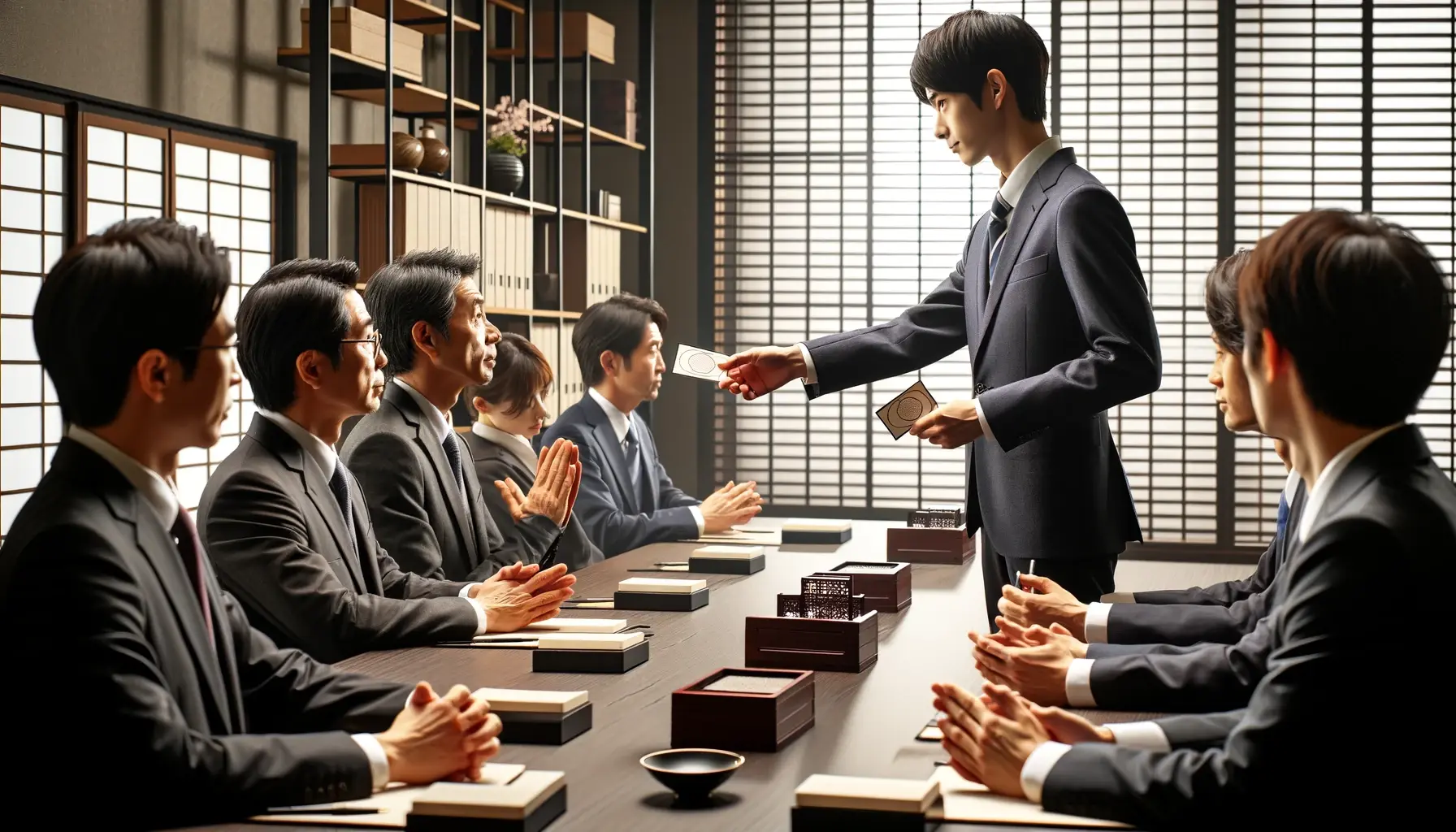
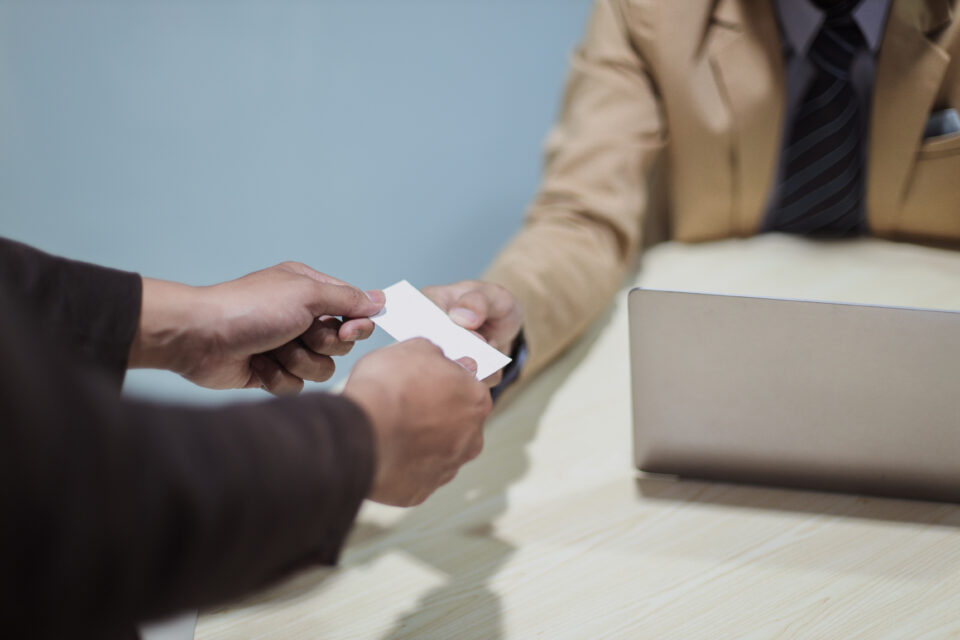
Business cards (名刺, meishi) are still used at many Japanese companies, particularly in client-facing roles, formal meetings, and any interaction with external partners. If your company provides them, treat them as the introduction they are meant to be. When receiving a card, take it with both hands, look at it briefly and attentively, and place it on the table in front of you during the meeting or in a card holder afterward. Do not write on it, fold it, or drop it into a pocket without looking at it. These are not arbitrary gestures — they signal that you are taking the other person seriously.
Bowing is the standard greeting. You do not need to perfect it, but a modest forward inclination of the head and upper body when greeting someone new or thanking a colleague goes a long way. Foreigners are generally not expected to bow deeply or with technical precision, but making no gesture at all when a Japanese colleague bows to you can register as cold.
Self-introduction (自己紹介, jiko shōkai) is a formal moment in Japanese workplaces. On your first day, you will likely be asked to introduce yourself to your team or the entire office. Keep it short, use a respectful tone, and close with something like “yoroshiku onegaishimasu” — a phrase that loosely means “I look forward to working with you” and signals appropriate humility. Even a phonetically approximate version lands well.
Micro-scenario: Sophie joined a mid-size marketing firm in Tokyo. On her first day, she gave a relaxed, warm self-introduction that felt natural to her. Her colleagues smiled politely. What she did not realize was that her informal tone had set an expectation of casualness that took several weeks to recalibrate. A slightly more formal opening would have given her room to relax naturally over time, rather than having to earn back formality she had not established.
Meetings and Reporting
Meetings in Japan serve a different function than in many Western workplaces. In environments where direct disagreement is uncommon and consensus is genuinely valued, the formal meeting is often not where decisions get made. It is where decisions that have already been discussed informally get confirmed.
This informal pre-meeting process is called nemawashi (根回し) — literally “going around the roots.” Before a significant proposal is brought to a group meeting, the person proposing it will often speak individually with key stakeholders, gauge reactions, address concerns quietly, and build alignment in advance. Walking into a meeting expecting open debate and dynamic decision-making in real time will frequently lead to confusion. Walking in understanding that the meeting is a coordination point — not a debate forum — makes the whole thing less frustrating.
Reporting norms in Japanese companies often follow a pattern called hōrenso (報連相) — an abbreviation of hōkoku (report), renraku (contact/update), and sōdan (consult). The expectation is that you report on progress regularly and proactively, flag potential problems early rather than solving them independently without informing anyone, and consult your manager before making decisions that affect others. For foreigners used to working autonomously and presenting finished results, this can feel like micromanagement. It is not. It is the way trust is built in the Japanese workplace.
In meetings specifically:
- Arrive before the stated start time, not exactly at it
- Silence your phone completely — vibration mode is often not enough in quieter offices
- Do not interrupt while others are speaking
- Silence does not mean disagreement; it often signals someone is thinking carefully
- If you are junior in the room, speaking less and listening more is usually the right call early on
Common mistakes: Foreigners sometimes interpret the lack of verbal pushback in meetings as agreement, proceed accordingly, and later discover the plan was not supported at all. If you are unsure whether a proposal landed well, a quiet follow-up conversation with a trusted colleague or your direct manager will tell you more than the meeting itself did.
Email Norms
Japanese business email has its own conventions, and they differ from casual English-language professional communication in ways that matter.
Formality is the default. Even in companies with relatively relaxed cultures, business email in Japanese tends to open with a set phrase acknowledging the recipient, reference the season or the ongoing business relationship, and close with a formal expression of thanks. You are not writing in Japanese, but your English emails to Japanese colleagues should still lean formal — clear subject lines, full sentences, polite sign-offs, and no abbreviations or casual language in the opener.
Response time expectations are real. Japanese workplace culture generally treats prompt email replies as a sign of reliability and respect. A same-day reply, even if just to acknowledge receipt and confirm a full response is coming, is considered standard in most office environments. Leaving emails unanswered for two or three days without explanation reads as disorganized at best and dismissive at worst.
CC culture in Japanese companies tends toward inclusion. It is common to copy supervisors, relevant team members, and sometimes entire departments on correspondence that in other cultures might be a two-person exchange. This is partly about transparency, partly about group responsibility, and partly about ensuring that no one is left out of information that might affect them. When in doubt, follow what your colleagues do — and do not remove CCs without a reason.
Micro-scenario: Mark worked at a Tokyo trading company and sent a proposal directly to a client contact he had a good relationship with, without copying his manager. The proposal was well received. His manager found out about it secondhand. The issue was not the proposal itself — it was that the manager had been bypassed in an interaction that, by company norms, should have included them. One CC would have prevented a weeks-long tension.
Time and Punctuality
Punctuality in Japan work culture is not merely valued — it is a baseline expectation that functions as a proxy for reliability, respect, and professional seriousness. Being on time means arriving early enough to be composed and ready when the meeting begins. It does not mean walking through the door at the exact scheduled minute.
The general working norm is to arrive at the office before your official start time and to be at your desk, settled, before work begins. For meetings, arriving two to three minutes early is standard. Arriving at the stated time and sitting down as the meeting starts can register as cutting it close.
Running late is handled differently here than in many Western contexts. In cultures where a brief apology and a quick explanation are considered sufficient, the bar is low. In Japan, being late — even by a few minutes — to a meeting with external clients or senior colleagues carries weight. A brief advance message, even just “I will arrive five minutes late,” is considered more respectful than arriving late with an apology.
Staying late is a visible part of office culture Japan is internationally known for, and it is worth understanding its actual function. At many companies, leaving before your manager or senior colleagues can feel socially uncomfortable, even when your work is done. This norm is shifting — particularly at international firms and at companies actively working on work-life balance reforms — but it persists in traditional environments. Watching how your specific team handles end-of-day hours in your first few weeks will tell you more than any general rule.
One practical note: Early-morning punctuality tends to matter more in client-facing and formal roles. In creative or tech-forward companies, the expectations around arrival time are often more relaxed — but meeting punctuality remains non-negotiable across almost every environment.
Where Hanko May Appear at Work
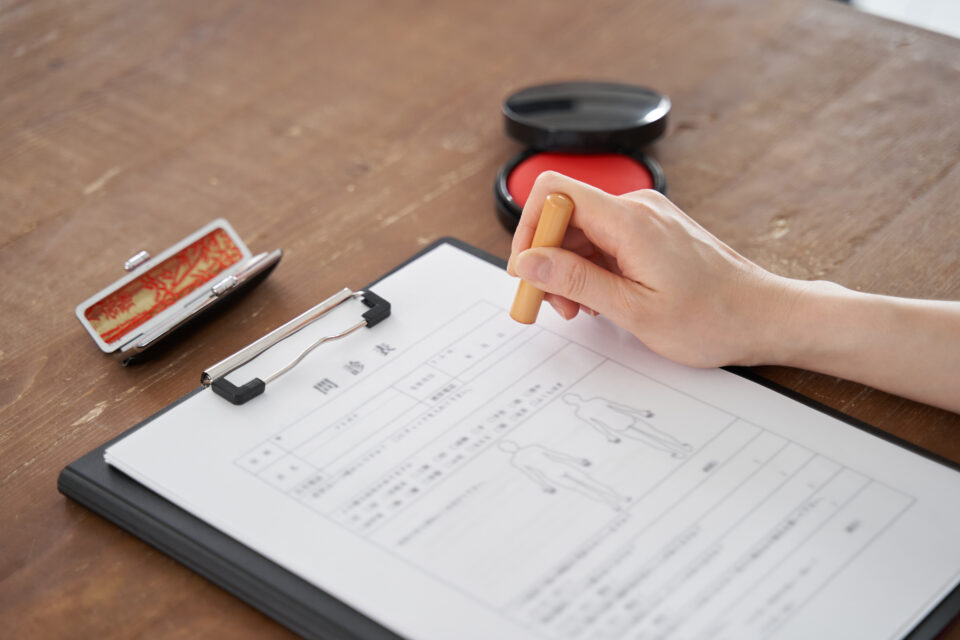
For most foreigners, the first encounter with a hanko for foreigners in a workplace context happens during onboarding. HR departments at Japanese companies frequently use hanko on internal paperwork — employment contracts, tax forms, salary setup documents, expense claim sheets, and various administrative forms that circulate through the office for acknowledgment or approval.
In some companies, a simple mitome-in (認め印) — the everyday unregistered seal — is sufficient for internal documents. In others, particularly larger or more traditional firms, HR may ask for a registered seal or specify a particular type depending on the document. It is worth confirming with your HR contact what type of hanko they require before you order one.
Beyond onboarding, hanko appear in a few recurring workplace contexts:
- Expense claims and internal approvals — many companies still use paper-based approval workflows where each relevant person stamps the document
- Contract renewals — particularly for fixed-term employment contracts, which are common for foreign nationals on specified visa types
- Official correspondence — any formal letter or document sent externally under your name may require your seal
Digital hanko (電子印鑑, denshi inkan) are increasingly used at companies that have moved toward paperless workflows, particularly in tech and international firms. If your company uses digital approval systems, a digital seal may already be integrated into the platform. It is worth asking HR which format they use before purchasing anything.
For physical hanko — which remain the standard at most traditional Japanese companies — the key consideration for foreigners is getting the name rendered correctly and the seal sized appropriately for the intended use. HankoHub specializes in exactly this: custom seals for foreign nationals, with correct name transliteration and sizing that meets the requirements for both workplace use and official registration.
FAQ
Do I need to speak Japanese to work professionally in Japan?
It depends heavily on the role and the company. International firms, English-language schools, and many tech companies operate largely in English. Traditional Japanese companies expect at least functional Japanese for internal communication. The level required varies — some foreigners work effectively with business-level Japanese while colleagues handle the rest. Research the specific environment before accepting an offer.
Is it rude to decline after-work drinking invitations (nomikai)?
Not inherently, but frequent declines can make it harder to build informal relationships, which matter in Japanese workplaces. Attending occasionally — even briefly — signals that you value the team beyond the formal work context. You do not need to drink alcohol; many people in Japan order non-alcoholic drinks at nomikai without comment.
How should I handle disagreement with a manager in a Japanese company?
Directly and publicly disagreeing with a senior colleague in a meeting is generally not well received. The more effective approach is to raise concerns privately — before or after the meeting — in a way that frames your perspective as a question or a consideration rather than a contradiction.
What type of hanko do I need for workplace HR paperwork?
For most internal HR documents, a mitome-in (everyday unregistered seal) is sufficient. For employment contracts and any document requiring formal acknowledgment, confirm with your HR department whether they require a registered seal. Requirements vary by company and document type.
How long does it take to adjust to Japanese office culture as a foreigner?
Practically speaking, most foreigners find the first three months the steepest learning curve. By six months, the main norms — communication style, meeting behavior, reporting expectations — feel natural rather than effortful. The adjustment is faster at companies with experience hiring foreign nationals.
Next Steps
Understanding business etiquette in Japan is the foundation. The tools that support your day-to-day professional life are the next layer — and for working in Japan as a foreigner, your hanko is one of the first practical items to sort out before HR paperwork begins. Getting the name rendered correctly and the seal sized for workplace use matters more than most people expect until the moment it does not work.
HankoHub makes custom seals specifically for foreign nationals — correct name transliteration, appropriate sizing for internal documents and official registration, and a process designed to get it right the first time. If your onboarding is coming up or you are already in the office working around a missing seal, that is the practical next step.