

If you’ve just landed a job in Japan as a foreign graduate, congratulations. Now brace yourself: Japan runs on paperwork, and that paperwork often requires a hanko. Whether you’re signing a lease for your first apartment in Tokyo, opening a bank account, or working through your company’s onboarding documents, you’ll likely be asked to stamp rather than sign. For foreigners new to Japan, this can catch you completely off guard.
The concept of hanko for new graduates in Japan isn’t just a formality. It’s a real administrative requirement that shapes your first weeks and months in the country. Miss it, and you could delay your move-in date, hold up your bank registration, or create friction with an employer who assumes you already have one.
This guide walks you through why you’re being asked for a seal, which documents actually need one, what type to get, and how to order one in English without the usual confusion. Whether you arrived for a job, a graduate program, or you’re making Japan a longer-term home, this is the practical briefing no one handed you at the airport.
Why This Segment Is Asked for a Seal

Japan’s relationship with the hanko goes back centuries, and while digital signatures are slowly gaining ground in corporate settings, the personal seal remains deeply embedded in everyday administrative life. For new arrivals — especially those entering the workforce or signing their first rental contract — this creates an immediate, practical need.
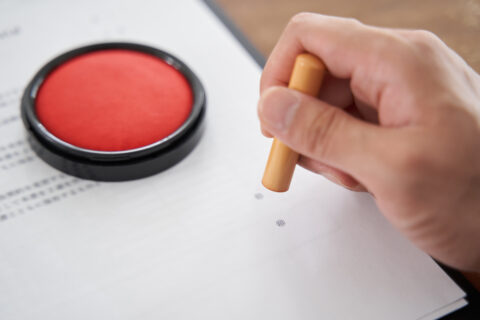
Landlords, real estate agencies, employers, and banks in Japan commonly request a hanko as a mark of formal agreement. It functions similarly to a handwritten signature in Western countries, but because it’s a physical object, losing it or not having one at all creates a specific kind of problem that a signature mix-up doesn’t.
As a foreign new graduate, you’re typically entering Japan’s administrative system at several pressure points simultaneously. You’re signing a lease, being onboarded by a company, possibly registering at your local ward office, and trying to open a bank account — often all within the same two-week window. The hanko sits at the center of almost all of it.
Here’s a common scenario: Yuki, a Filipino graduate who accepted a job at a mid-sized firm in Osaka, arrived ten days before her start date to sort out housing. Her real estate agent handed her a rental agreement and pointed to several red boxes on the form labeled 印 (in), the character for seal. She had prepared her documents, her guarantor paperwork, and her residency certificate — but no hanko. The signing was postponed by three days while she rushed to order one. Those three days cost her peace of mind and nearly her move-in date.
It’s a small object. The administrative friction of not having it is not small.
Common Documents and Timelines
Understanding which documents require a hanko — and when — helps you plan rather than scramble. The following are the most common situations new graduates in Japan encounter in their first one to three months.
Rental contracts: This is the most time-sensitive use case. Rental agreements in Japan almost universally require a seal. Some agencies will accept a signature from foreign nationals, but many will not, and you won’t always know in advance which type of agency you’re dealing with. It’s safer to arrive with a hanko already in hand.
Employment onboarding documents: Your company’s HR paperwork — tax forms, direct deposit authorizations, internal agreements — often has stamp fields. Some multinational firms have adapted to signatures, but smaller Japanese companies and traditional industries commonly still use hanko-stamped forms.
Bank account registration: Major banks such as Japan Post Bank and some regional banks still request a hanko during account opening, though requirements vary by institution. Bring one regardless.
Ward office registration: When you register your address at the local city or ward office (a legal requirement within 14 days of moving in), you may need a hanko for related documents, particularly if you’re applying for your residence card update or any municipal services.
Timeline to keep in mind: If you’re arriving two to four weeks before your job start date, order your hanko before you land or within your first two days in Japan. Many online services, including HankoHub, ship within Japan and offer English-language ordering, so you don’t need to find a physical shop in an unfamiliar city.
Checklist: Documents that commonly require a hanko
- Apartment or share house rental contract
- Employment agreement or onboarding forms
- Bank account opening forms (varies by institution)
- Guarantor-related paperwork
- Ward office registration documents
- Utility setup forms (gas, electricity, internet)
- Company expense reimbursement forms
Keep your hanko accessible during your first month. You’ll use it more than you expect.
Recommended Hanko Type and Size
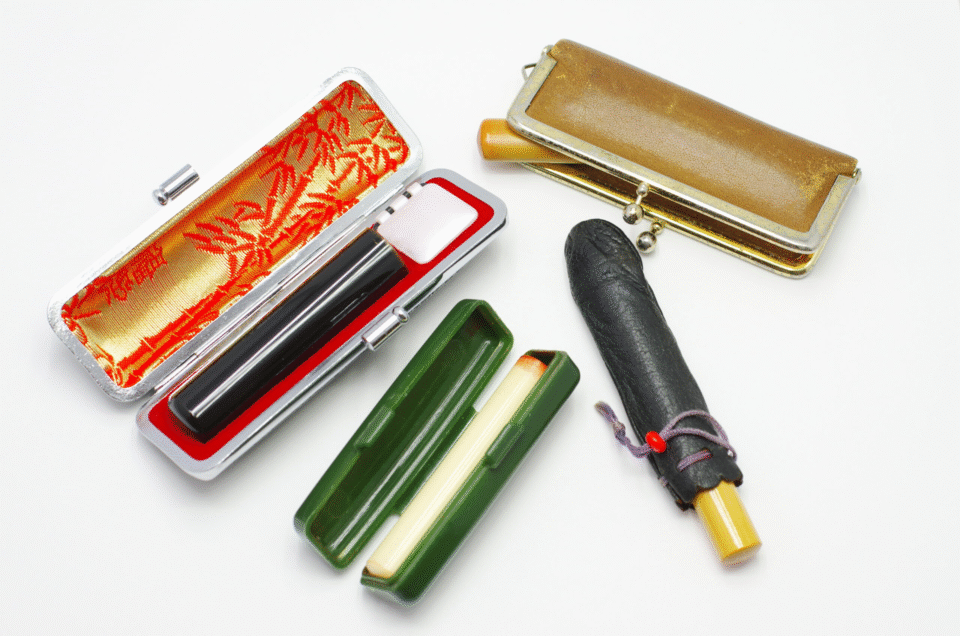
Not all hanko are the same, and getting the wrong type can create complications. For most new graduates handling everyday paperwork — rental contracts, employment forms, bank documents — a mitome-in (認め印) is the standard choice. This is a personal everyday seal, not the officially registered jitsuin (実印), and it covers the vast majority of situations you’ll encounter in your first year.
Size: The most common size for a personal mitome-in is 10.5mm or 12mm in diameter. This fits standard stamp fields on Japanese forms without issue. Go smaller and it can look out of place; go larger and it may not fit the designated box.
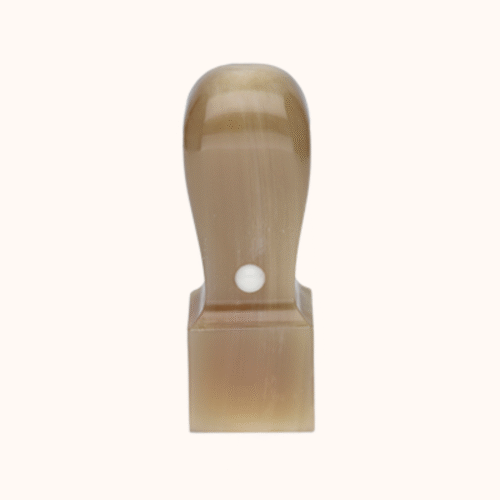
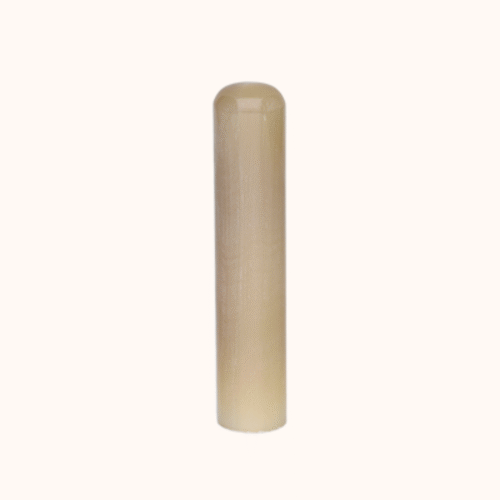
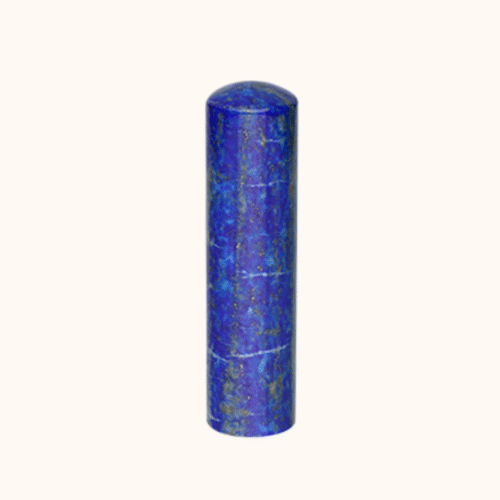
Material: Resin or acrylic seals are practical, affordable, and durable. Wood is common but can warp with humidity over time. For an everyday working seal, synthetic resin is a sensible choice.
Name: This is where foreigners often hesitate. Japanese hanko traditionally display the surname in kanji, but as a foreigner, you have a few options. You can use a katakana rendering of your name (e.g., スミス for “Smith”), a kanji approximation if your name has a meaningful or phonetic equivalent, or your first name if your surname is very long. HankoHub offers guidance on name rendering for non-Japanese names, which takes the guesswork out of this step.
Common mistakes to avoid:
- Ordering a seal that’s too decorative: Novelty designs with elaborate fonts can look unprofessional on formal documents and may not be accepted by conservative institutions.
- Waiting until you arrive to order: Especially if you’re landing in a smaller city, English-language hanko shops may be hard to find locally. Ordering online in advance is strongly recommended.
- Confusing mitome-in with jitsuin: Unless you’re signing for a property purchase or registering a vehicle, you almost certainly don’t need a registered seal. A mitome-in handles daily paperwork.
- Using a pre-made 100-yen store seal: These are often sold for common Japanese surnames. As a foreign national, your name won’t be on the shelf, and even if a vaguely similar one exists, using someone else’s name on official documents creates obvious problems.
- Forgetting an ink pad: Some hanko come pre-inked (self-inking). Others require a separate shuiniku (vermilion ink pad). Know which type you’re ordering.
Ordering Tips in English
Ordering a hanko as a foreigner used to mean walking into a small shop, trying to communicate your name in a language you might not speak yet, and hoping the result looked right. That process still exists, but it’s no longer your only option.
English-language ordering is now available through services built specifically for foreigners in Japan. HankoHub is designed for exactly this situation: you enter your name in Roman letters, select your preferred rendering (katakana, kanji suggestions, or custom), choose size and material, and receive a finished seal shipped to your address in Japan. The process doesn’t require you to know how to write your name in Japanese.
A few practical tips for ordering:
Order before you need it. Processing and shipping takes time. If you’re moving into an apartment in two weeks, place your order now, not the day before signing.
Confirm the name rendering before finalizing. Reputable services will show you a preview. Review it carefully, especially if your name has unusual phonetics in Japanese.
Check whether your company or landlord has any specific requirements. Most don’t, but some older institutions or conservative landlords may have preferences about seal size or material. A quick question to your HR contact or real estate agent can save a re-order.
Keep your hanko in a consistent, known location. Losing a hanko mid-paperwork process is stressful. Many people use a small pouch or case that comes with the seal.
If you’re still looking for the right role, ComfysCareer is a solid starting point for foreigner-friendly jobs in Japan — and once you’ve landed one, your hanko will be one of the first things you’ll need ready.
FAQ
Do I legally need a hanko as a foreign resident in Japan? There is no universal law requiring foreign residents to own a hanko, but many institutions — landlords, banks, employers — commonly request one as part of their standard process. In practice, not having one creates friction. It’s easier and less expensive to simply have one.
Can I use a signature instead of a hanko? Sometimes, yes. Foreign nationals are often permitted to sign in lieu of stamping, particularly at more internationally oriented companies or modern real estate agencies. However, this varies by institution, and you won’t always know in advance. Having a hanko removes the uncertainty.
What name should I put on my hanko? Most foreigners use a katakana rendering of their surname. If your name is very long, your first name or a shortened version is also common. HankoHub offers name consultation as part of the ordering process.
Do I need to register my hanko at the ward office? Not for a standard mitome-in used in everyday paperwork. A registered seal (jitsuin) is only required for high-stakes legal transactions such as property purchases or vehicle registration. For rental contracts and employment forms, an unregistered personal seal is generally sufficient.
How much does a basic hanko cost? A practical everyday hanko typically ranges from a few hundred to a few thousand yen depending on material and customization. Pre-made seals are cheaper but won’t have your name. A custom seal ordered through an English-language service is more appropriate for foreign residents and usually still very affordable.
Can I use the same hanko for multiple purposes? Yes. Your everyday mitome-in can be used across rental documents, employment forms, bank paperwork, and utility registrations. You don’t need separate seals for each purpose at this stage.
Next Steps

Your first weeks in Japan move fast, and paperwork tends to arrive before you’re fully settled. The practical move is to have your hanko ready before the documents land on your desk. Head to HankoHub, enter your name in English, and order a personal hanko that’s sized and finished for real administrative use. It ships within Japan, the process is in English, and it crosses one significant item off your arrival checklist before anything else goes sideways.