If you’re living or doing business in Japan, owning a hanko isn’t just a cultural experience—it’s a functional necessity. While some newcomers to Japan may assume that handwritten signatures are
As environmental awareness continues to grow, more individuals and businesses in Japan are seeking sustainable alternatives in all aspects of life—including their personal and professional tools. One such item being
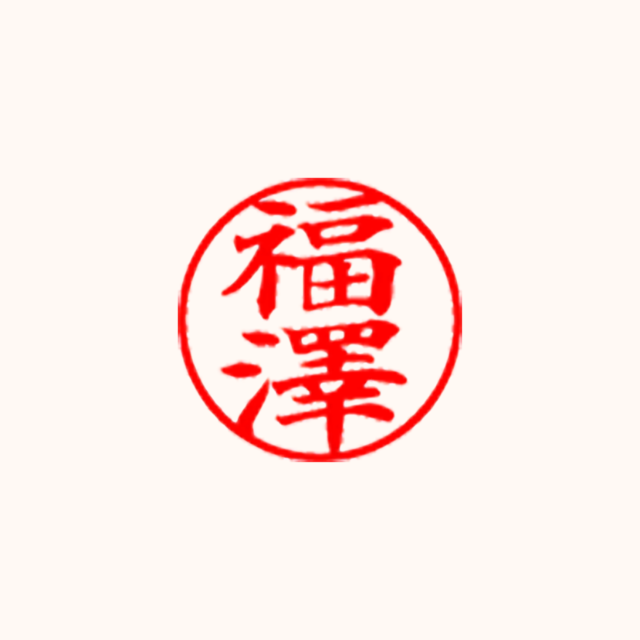
One of the most personal and defining aspects of owning a hanko is the name engraved on it. For Japanese nationals, names are naturally written in kanji, but for foreign
Living in Japan as a foreigner comes with many cultural adjustments, and one of the most practical tools to help you navigate local systems is the hanko. While it might
Owning a hanko is more than having a stamp—it’s about maintaining a symbol of identity, legality, and cultural respect. Whether your seal is used for daily approvals or legal contracts,
In Japan, the humble hanko seal carries enormous legal and cultural significance. Whether you’re signing a lease, authorizing a wire transfer, or formalizing a business contract, your seal does more
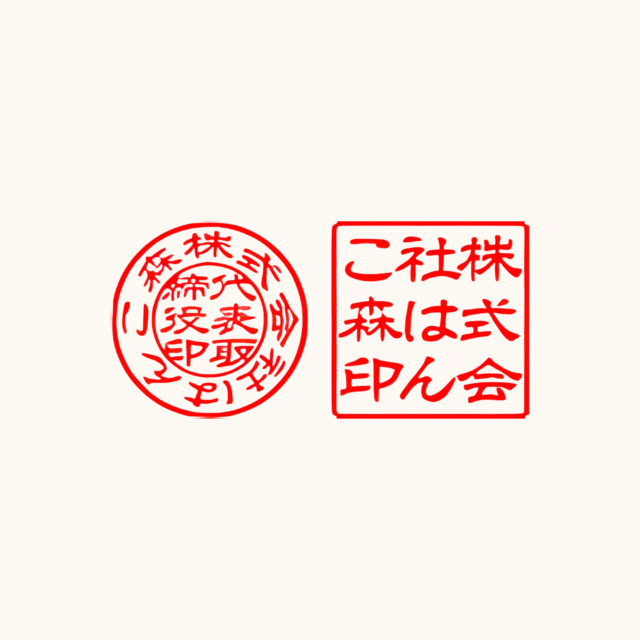
In Japan, tradition and formality are deeply woven into business culture, and few items symbolize this more clearly than the corporate hanko. While many outside of Japan are used to
In Japan, the use of hanko (判子) or inkan (印鑑) is deeply embedded in both personal and corporate practices. For businesses, possessing a corporate hanko is not merely a formality
In Japan, a hanko (also known as inkan) serves as a personal seal, functioning similarly to a signature in Western cultures. Whether you’re opening a bank account, signing a lease,
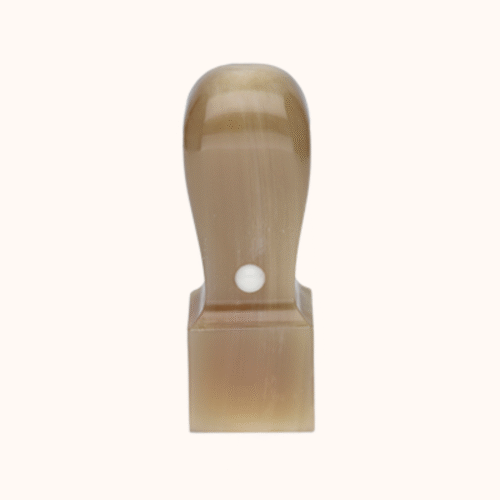
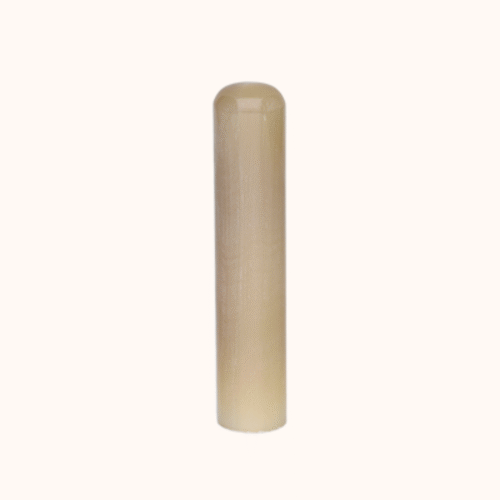
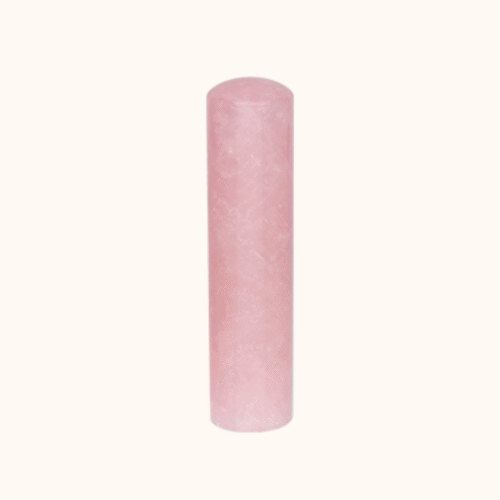
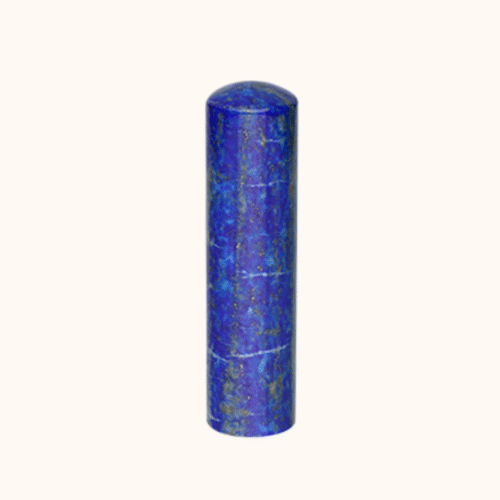
Not all hanko are created equal. One of the key factors that determines the quality and character of your hanko is the material it’s made from. The right material not