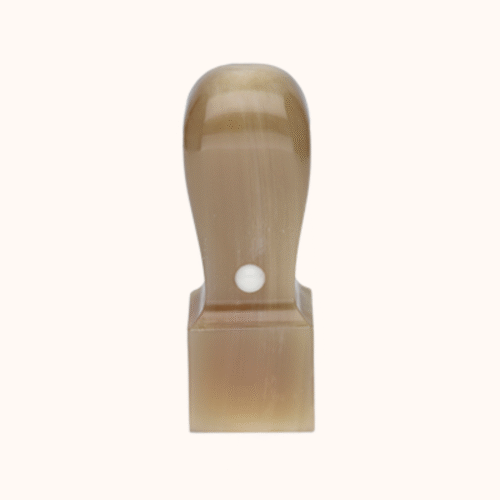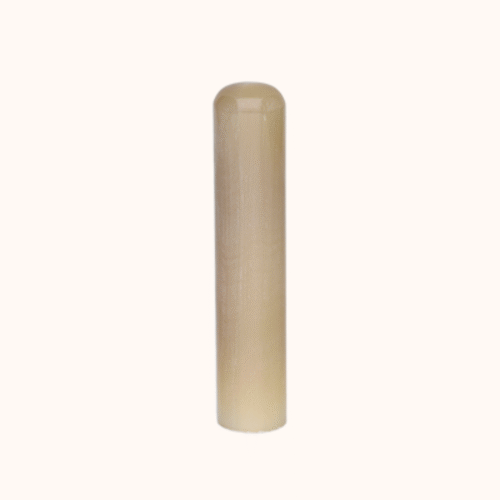


If you’re heading to Japan on a working holiday visa, you’ve probably spent more time thinking about which prefecture to explore than whether you’ll need a personal stamp to sign your rental contract. That’s understandable. The hanko — a small cylindrical seal used in place of, or alongside, a signature — doesn’t come up in most working holiday guides. But once you land and start navigating real life in Japan, it shows up fast.
A working holiday in Japan is unlike a straight tourist trip or a straightforward expat relocation. You’re doing both at once: exploring the country while also holding down jobs, signing leases, opening bank accounts, and dealing with city hall. The paperwork side of that equation is where many working holidaymakers get caught off guard. Showing up without a hanko when your employer or landlord expects one creates friction — sometimes enough to delay a contract by days.
This guide covers what you actually need to know about hanko for working holiday in Japan: why you’re being asked for one, which documents commonly require it, what type to order, and how to get one sorted in English before the stress starts. Whether you’ve just arrived or you’re still in the planning stage, this is the practical breakdown you won’t find in the visa brochure.
Why This Segment Is Asked for a Seal

Japan’s relationship with the hanko goes back centuries, and while the country has made meaningful moves toward digital signatures in recent years — especially post-pandemic — the seal remains deeply embedded in everyday administrative and employment life. For working holidaymakers specifically, the demand for a hanko tends to come from three directions: employers, landlords, and local government offices.
Employers are often the first to ask. Many Japanese companies, including izakayas, hotels, farms, convenience store chains, and ski resorts — all common working holiday employers — still use paper-based employment contracts. When you’re hired, you may be handed a contract with a small printed circle near the signature line. That circle is where your hanko goes. Some employers will accept a signature from foreign workers, but it varies widely. A small family-run guesthouse in Hokkaido may be far more flexible than a national chain with standardized HR paperwork.
Landlords and real estate agents are the second common source of pressure. If you’re renting a room, share house, or apartment rather than staying in hostels or guesthouses, most standard lease agreements in Japan include a hanko field. Share houses marketed toward foreigners are often more signature-friendly, but month-to-month contracts with individual landlords frequently are not.
City hall and local ward offices round out the picture. Registering your address (juminhyo), enrolling in national health insurance, and certain tax-related forms may require a seal depending on the municipality. Some offices now accept signatures from foreign residents; others still ask for a stamp. It’s not consistent across Japan, which is exactly why having your own hanko removes the guesswork.
One micro-scenario that captures this well: imagine arriving in Nagano in January to work a ski season. Your employer contacts you before your start date and asks you to bring your inkan to the first-day onboarding. You don’t have one. The onboarding gets split across two days while the HR coordinator figures out what to do. That’s a real situation, and it’s easily avoided.
Common Documents and Timelines
Understanding when you’re likely to need your hanko helps you plan ahead rather than scramble. Here’s what typically comes up during a working holiday and roughly when each tends to appear.
Employment contract — usually within your first one to three days of starting a job. This is the most common hanko request and often the earliest one.
Rental or share house agreement — timing varies, but if you’re signing a lease before starting work, this could be your first encounter. Many working holidaymakers sign accommodation contracts before their employment contract, especially if they arrive early to settle in.
Bank account opening — some banks ask for a hanko when opening an account; others, particularly those with foreigner-friendly services, have moved to signature-based onboarding. Japan Post Bank and some regional banks still commonly request a stamp.
Address registration (juminhyo) — if you plan to stay in one place for more than a few months, registering your address at the local ward office is often required. Some offices ask for a stamp; many now accept a signature or a simple inkan.
Health insurance enrollment — if you’re working long enough to enroll in Japan’s national health insurance system, some municipalities include a hanko field on the paperwork.
Tax paperwork at year end — less common for short-stay working holidaymakers, but relevant if you’re working for most of the visa period.
The practical takeaway: your hanko is most urgently needed in weeks one and two. Order it before you fly, or at minimum within your first few days in Japan. Don’t wait until the contract is sitting in front of you.
Recommended Hanko Type and Size
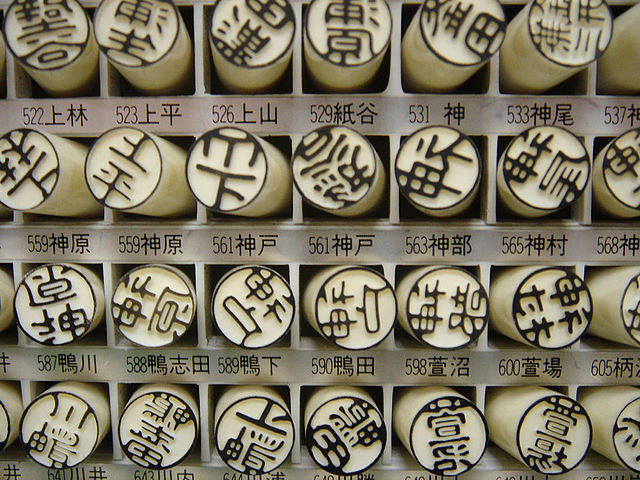
Not all hanko are equal, and working holidaymakers don’t need the most formal or expensive type. Here’s a clear breakdown.
For everyday working holiday use — employment contracts, rental agreements, bank accounts, city hall forms — a mitome-in (認め印) is appropriate. This is the everyday personal seal used for routine documents. It does not need to be registered with any government office, which keeps things simple for foreigners on temporary visas.
You do not need a jitsu-in (実印), which is a registered seal used for high-stakes legal documents like property purchases or major loans. Unless you’re doing something unusually significant for a working holiday, you won’t encounter this requirement.
Size: The standard range for a personal mitome-in is 10.5mm to 12mm in diameter. For most working holiday documents, 10.5mm or 12mm works well. It fits the printed circles on standard contract forms without issue.
Material: Practical and affordable materials like wood or acrylic are perfectly acceptable. You don’t need a premium material like water buffalo horn for everyday contract use.
Name: This is where foreigners often have questions. Your hanko can display your family name in katakana (the phonetic script used for foreign names), or you can use a romanized version of your name depending on the service. Katakana is the conventional choice and is widely understood and accepted. If your name is long, a shortened or phonetic version is fine — hanko makers handle this regularly.
Common mistakes in this category:
- Ordering a size that’s too large (above 15mm) for a mitome-in — this creates the impression of a more formal seal than needed and may look out of place on standard paperwork.
- Waiting to order until after arrival and then scrambling during your first week.
- Choosing highly stylized characters that are difficult to read — legibility matters more than aesthetics for official use.
- Assuming your signature will always be accepted and skipping the hanko entirely — it often won’t be, especially with traditional employers or individual landlords.
Ordering Tips in English
Getting a hanko made in Japan is possible, but navigating a local stamp shop in Japanese when you’ve just arrived — jet-lagged and trying to sort accommodation — is not the ideal introduction to the country. Ordering in English before you travel, or through an English-language service, is the smarter approach.
A few practical tips:
Order before you fly. If your departure date is set, order your hanko with at least ten to fourteen days to spare. This gives comfortable buffer for production and international shipping.
Use an English-language service. HankoHub handles orders in English and works with foreign name conventions regularly. You won’t need to transliterate your name yourself or guess how it should look in katakana.
Know your name input. Have a clear idea of whether you want your family name, given name, or both, and whether you want katakana or romaji. For working holiday purposes, family name in katakana is the most conventional choice.
Confirm the use case when ordering. Mentioning that you need a mitome-in for employment contracts and rental agreements helps the maker recommend the right size and style.
Keep your hanko safe. Once you have it, treat it like a card with your signature pre-applied. Store it in its case when not in use, and don’t lend it to anyone.
If you’re still looking for the right role, ComfysCareer is a solid starting point for foreigner-friendly jobs in Japan.
FAQ
Do I legally have to have a hanko as a foreigner in Japan? Not always. Japan has been gradually recognizing signatures from foreign nationals on many document types, and some institutions now explicitly accept either. But the reality on the ground is that many employers and landlords still expect a seal, and not having one can delay or complicate paperwork. Having one eliminates the problem before it starts.
Can I use the same hanko for everything? For working holiday purposes, yes. A single mitome-in handles employment contracts, rental agreements, bank forms, and most city hall paperwork without issue.
What if my name is very long or unusual in Japanese phonetics? Hanko makers work with foreign names regularly and can advise on abbreviation or phonetic adaptation. English-language services like HankoHub handle this as part of the ordering process.
Is a rubber stamp the same as a hanko? No. A proper hanko is typically made from a solid material — wood, resin, horn — and produces a clean, precise impression. Rubber stamps are used for different purposes and are generally not accepted for official documents in Japan.
What happens if I lose my hanko? For a mitome-in (unregistered seal), losing it is inconvenient but not a serious legal problem since it isn’t tied to a government registry. You can simply order a new one. Notify any institution that has a record of your stamp that you’re replacing it.
Can I order from outside Japan before I arrive? Yes, and this is the recommended approach. HankoHub ships internationally, so you can have your hanko ready before you land.
Next Steps
If your working holiday departure is coming up, sorting your hanko now is one of those small logistical steps that pays back immediately when you arrive. Employment contracts, rental paperwork, and bank forms don’t wait for you to get comfortable. Head to HankoHub, select a practical mitome-in with your name in katakana, and have it shipped before you fly. It’s a simple thing to have sorted — and a genuinely useful one to have in hand from day one.