
Starting a company in Japan means paperwork—a lot of it. And somewhere in that process, usually earlier than most foreign entrepreneurs expect, you will need a Japanese company seal. Not a signature, not a digital stamp, not a scanned logo. A physical seal, properly made, correctly registered, and ready to use on incorporation documents, bank applications, and contracts.
For many foreigners, this is where the process stalls. The terminology is unfamiliar, the requirements vary by company type, and nobody at the registration window is going to walk you through what a corporate hanko set actually includes. You find out the hard way—missing a seal type, using the wrong one on a form, or ordering something that does not meet legal specifications.
This guide explains what a corporate seal set contains, when each seal gets used, how company seal registration works in Japan, and what to think about when designing your seals. Whether you are setting up a gōdō kaisha (LLC), a kabushiki kaisha (KK), or a branch office, the information here will help you move through incorporation with fewer surprises.
What a Corporate Seal Set Includes
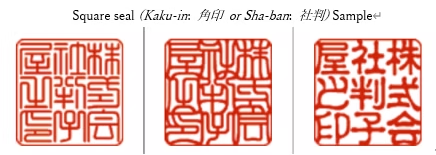
A standard Japanese company seal set (法人印鑑セット, hōjin inkan setto) typically includes three distinct seals, each with a specific function. Some providers offer two-seal sets, and some companies eventually add a fourth. Here is what you will most commonly encounter.
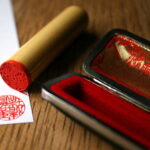
1. The Representative Seal (代表者印, daihyōsha-in) This is the primary seal—the one that gets registered with the Legal Affairs Bureau (法務局, Hōmukyoku) during company incorporation. It carries the highest legal authority of any seal in your company. Used on incorporation documents, real estate contracts, high-value agreements, and any situation requiring certified proof of your company’s identity. This seal is round, typically 18 mm in diameter, and the design follows strict rules: the company name runs around the outer ring, and the representative’s title (代表取締役 for a KK, 代表社員 for a GK) appears in the center.
2. The Bank Seal (銀行印, ginkō-in) Registered separately with your business bank, this seal is used exclusively for financial transactions—opening accounts, authorizing transfers, signing off on banking documents. Keeping it separate from the representative seal is standard practice and a sensible security measure. If your bank seal is compromised or needs to be changed, you do not have to re-register your company’s primary seal. This seal is also round, but slightly smaller than the representative seal, typically 16.5 mm, to distinguish the two at a glance.
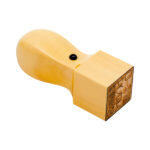
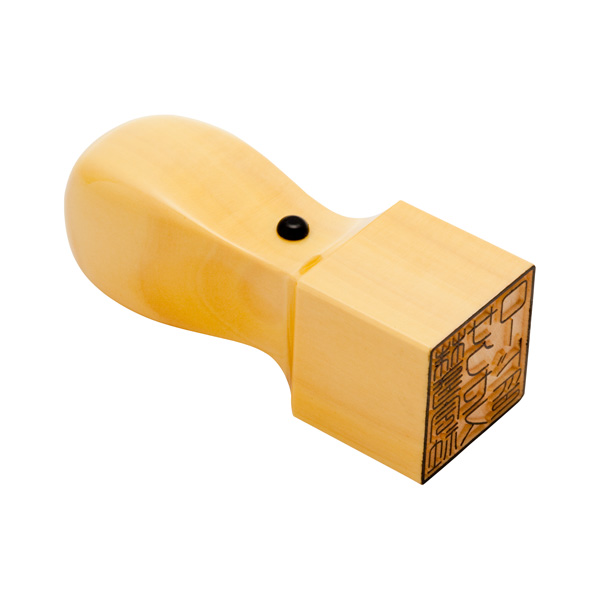
3. The Square Seal (角印, kakuin) This is the workhorse of daily business operations. The square seal—hence “square seal Japan” in many searches—is not a registered seal. It carries no legal authority on its own, but it appears on invoices, receipts, quotations, internal documents, and general correspondence. Think of it as your company’s everyday stamp. It typically displays the full company name and is pressed onto documents to indicate they originated from your organization. Most Japanese companies use this seal far more frequently than the registered representative seal.
4. The Address Seal (住所印, jūsho-in) — optional Some companies add a fourth seal that prints the company’s address, name, and sometimes phone number. It is used on envelopes and outgoing documents to save time. Not essential at incorporation but practical as your operation grows.
When You Need Each Seal
Understanding which seal belongs on which document prevents costly mistakes—using the wrong seal on a formal filing can mean rejection and delays.
Representative seal: Required on incorporation documents submitted to the Legal Affairs Bureau. Also required when obtaining a inkan shōmei (印鑑証明書), the official seal certificate that third parties—banks, notaries, counterparties to major contracts—use to verify your seal’s authenticity. You will use this seal less frequently than the others, but each use carries significant legal weight. Treat it accordingly.
Bank seal: Needed when opening your corporate bank account, which in Japan typically happens after incorporation is complete. Also used when authorizing large transfers, changing account settings, or dealing with any formal banking procedure. Some banks require both the bank seal and a copy of the representative seal certificate when opening an account—check with your target bank in advance, as requirements vary.
Square seal: Used constantly. Invoices sent to clients, internal approval documents, quotes, delivery receipts—any document that needs to look official but does not require a registered seal. In Japan’s business culture, an invoice or quote without a square seal can appear informal or even suspicious to older counterparties. Having it ready from day one signals that your company is set up properly.
A realistic scenario: you incorporate your kabushiki kaisha in Tokyo, submit your representative seal registration at the Legal Affairs Bureau, and the next week you are at a regional bank trying to open a corporate account. The bank asks for your seal certificate (印鑑証明書), your bank seal, and your articles of incorporation. You need the representative seal to obtain the certificate, and you need the bank seal registered separately for the account itself. Without both, the process stops.
Another scenario: your company wins its first client in Osaka. You send an invoice. The client’s accounts payable team, working with a traditional mid-sized Japanese firm, notices there is no square seal on the document. They call to ask whether it is official. That small friction—entirely avoidable with a square seal ready at incorporation—delays your payment by two weeks.
Registration Overview
Registering a corporate seal in Japan is a formal process, and it is worth understanding before you order your seals.
Who registers: The representative director (代表取締役) for a KK, or the representative member (代表社員) for a GK, registers the representative seal. This person’s individual registered personal seal (実印, jitsuin) is also required during the incorporation process to confirm identity—another reason foreigners setting up companies in Japan often need a personal hanko before they can register their company’s seal.
Where to register: The Legal Affairs Bureau (法務局) handles company seal registration. In Tokyo, this typically means the Tokyo Legal Affairs Bureau. You submit your incorporation documents, including the seal registration form and a seal impression card, along with the applicable fee.
Specifications: The Legal Affairs Bureau has strict size requirements. For company seals, the impression must fit within a 30 mm square and be no smaller than 8 mm square. The representative seal is commonly made at 18 mm round to stay well within these limits while remaining legible. Do not order a seal without confirming it meets these specifications.
Seal certificate (印鑑証明書): Once registered, you can obtain certified copies of your seal impression at the Legal Affairs Bureau or through a convenience store terminal using your company’s registered number and a PIN. These certificates are time-limited—most institutions only accept certificates issued within three months—so order them as needed rather than stockpiling.
Bank seal registration: Separate from the Legal Affairs Bureau, done directly with your chosen bank. Each bank has its own form and process. Some require an in-person visit with the representative director present. Allow time for this step; it is not always same-day.
Common mistakes at registration:
- Ordering a seal before confirming size specifications with your incorporation agent or the Legal Affairs Bureau
- Using the representative seal on banking documents before registering a separate bank seal
- Assuming the square seal needs registration (it does not)
- Forgetting that the personal seal of the representative director is also needed during incorporation—two separate seal matters at once
- Ordering a seal with characters that do not exactly match the registered company name
Design Considerations
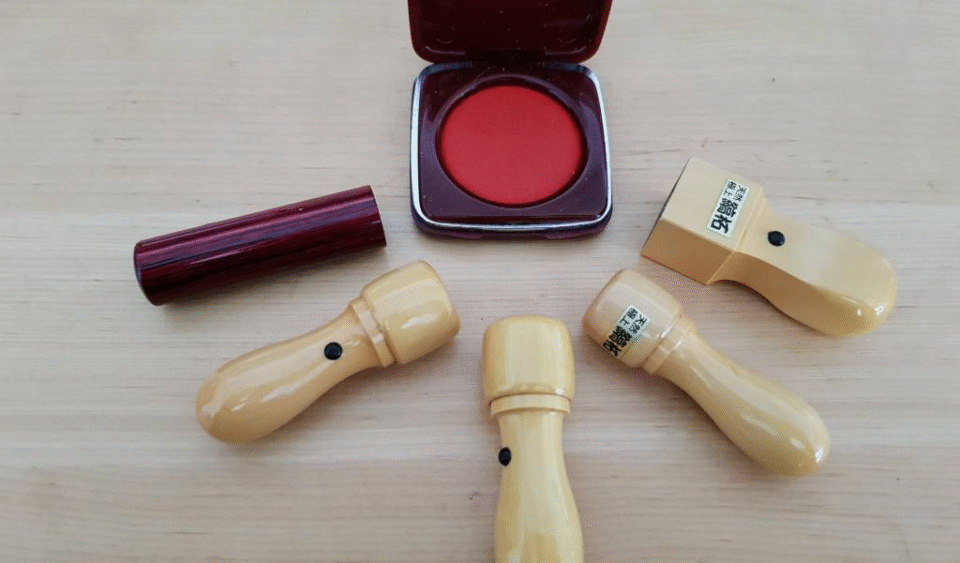
The design of your corporate hanko set is more constrained than personal seal design, but there is still meaningful room for decisions that affect how professional your seals look and how long they last.
Material: For registered seals—representative and bank—durability matters. Titanium is increasingly popular for corporate seals because it is highly resistant to wear, does not warp or crack with temperature changes, and produces exceptionally clean impressions over time. Ebony and other hardwoods are traditional and still widely used. Acrylic and resin work for budget-conscious setups, though they tend to wear faster with heavy use. For the square seal, which gets used daily, investing in a more durable material pays off.
Character layout: The representative seal follows a prescribed layout—outer ring for company name, center for title. Make sure your seal maker understands exactly how the registered company name is written, including any punctuation such as 株式会社 before or after the name. An error here requires a remake.
Legibility over aesthetics: For formal seals, clear and legible characters are more important than decorative engraving styles. Overly stylized fonts can produce impressions that are difficult to read, which creates problems at verification. The square seal has slightly more flexibility, but clarity should still come first.
Language: Most corporate seals in Japan use Japanese characters. If your company name is registered in katakana (common for foreign-founded companies), the seal will reflect that. Some companies with English names register a katakana version—confirm the exact registered spelling before ordering.
Need to hire bilingual staff for your Japan company? ComfysCareer can support foreign talent hiring after incorporation.
Storing and protecting your corporate seals: Each seal in a corporate set should have its own case, clearly distinguishable. Color-coded cases—different colors for representative, bank, and square seals—are a practical convention many Japan-based business owners use to avoid pressing the wrong seal in a high-stakes moment.
FAQ
Do I need all three seals before I can incorporate? You need the representative seal registered to complete incorporation. The bank seal is needed to open your corporate account afterward. The square seal is not required for any formal filing but is practically necessary from the moment you start sending business documents.
Can a foreigner register a corporate seal in Japan? Yes. Foreign nationals who are legally resident in Japan and serving as representative director can register a corporate seal. The process may require additional identity documentation. If you are a non-resident director, the setup is more complex—consult an incorporation agent or judicial scrivener (司法書士) early in the process.
What is the difference between a kaisha inkan and a personal jitsuin? A kaisha inkan (会社印鑑) is registered to the company at the Legal Affairs Bureau. A personal jitsuin is registered to an individual at the municipal office. Both are legal registered seals, but they serve different purposes and are registered with different authorities. During incorporation, you will likely need both.
How long does it take to get corporate seals made? Standard production at most makers takes three to seven business days. Rush orders are sometimes available. Plan your seal order to arrive before your registration appointment—do not leave this until the last week before filing.
Can I use the same seal for representative and banking purposes? Technically possible in some situations, but strongly discouraged. Keeping them separate protects the legal integrity of your representative seal and limits exposure if your bank seal needs to be re-registered.
What if my company name changes after registration? A name change requires re-registering your representative seal with the Legal Affairs Bureau and ordering a new seal that reflects the updated name. This is a formal process with associated fees and timelines—factor it in if a name change is part of your longer-term plan.
Is the square seal used in digital business contexts? Increasingly, Japanese companies are accepting digital equivalents for everyday correspondence. However, many traditional counterparties—older established firms, some government offices, certain banks—still expect physical seals on paper. Having the physical square seal ready ensures you can handle both worlds.
Next Steps

Setting up a company in Japan is a significant undertaking, and the seal registration process is one of those steps that rewards getting right the first time. A properly made, correctly designed corporate hanko set means smoother incorporation, a faster path to your bank account, and documents that hold up in every formal context. HankoHub offers business-ready corporate seal sets built to Japanese registration specifications, including representative, bank, and square seal combinations. If you are at the early planning stage or already deep into your incorporation checklist, you can browse the full range of corporate options at HankoHub and order with confidence.