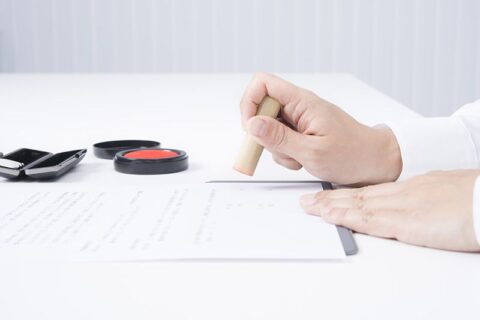


Starting an internship in Japan is exciting, and then the paperwork arrives. Before your first day, or sometimes on it, you may be handed a stack of forms and asked if you have your hanko. If you have no idea what that means, you are not alone. Hanko for interns in Japan is a topic that rarely comes up in pre-departure briefings, but it catches a surprising number of people off guard during their very first week. This guide explains exactly what a hanko is, why your HR team is asking for one, which type you need, and how to order one quickly without needing to speak Japanese.
Whether you are on a short-term internship through a university exchange program, a working holiday arrangement, or a structured corporate placement, the seal culture in Japan is real and it will cross your path. Understanding it now means you are not scrambling on onboarding day.
Why This Segment Is Asked for a Seal
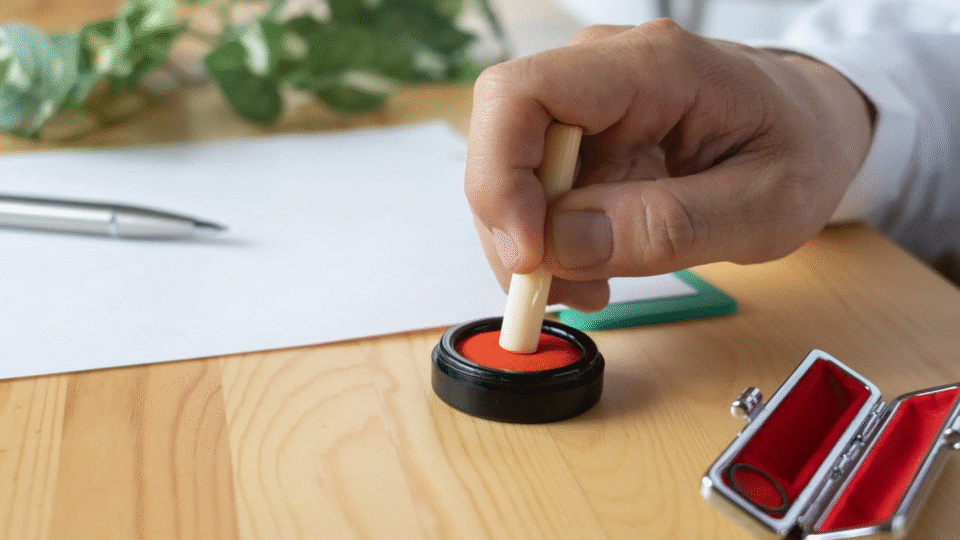
Japan still runs on stamps. While digital signatures are gaining ground in larger corporations, the hanko remains deeply embedded in administrative culture, especially in HR departments, small and mid-sized companies, and any process that involves government-adjacent paperwork. For interns, the ask usually comes from one of two directions: the company itself, or the supporting documentation tied to your visa or residence status.
When a company asks you to stamp a document, they are treating you as a participant in a formal agreement. Your hanko acts as your personal authentication. It confirms that you, specifically, have seen and agreed to what is written. This matters even in internship contexts because many placements come with stipends, non-disclosure agreements, housing arrangements, or commuter allowances, each of which may require a signed and stamped acknowledgment.
There is also a cultural layer worth understanding. In Japan, stamping is not just bureaucratic habit. It signals that you are taking the process seriously and that you are prepared. Showing up with your own hanko, rather than asking to borrow one or sign with a pen, creates a small but real first impression of readiness and respect.
A common scenario: a foreign student on a university-affiliated internship in Tokyo arrives on their first day and is handed an emergency contact form, a stipend receipt, and a confidentiality agreement. The HR coordinator points to three small circles on each page and says, “hanko here please.” The student has never heard the word. The coordinator has to track down a spare office stamp, the process stalls, and the student spends the morning feeling underprepared for something entirely avoidable.
If you are still looking for the right role before any of this applies to you, ComfysCareer is a solid starting point for foreigner-friendly jobs in Japan.
Common Documents and Timelines
The documents that commonly require a hanko during intern onboarding vary by company and sector, but certain categories come up repeatedly.
Documents you are likely to encounter:
- Internship agreement or placement contract
- Stipend or expense reimbursement receipts
- Emergency contact and personal information forms
- Commuter pass application (if the company covers transport)
- Non-disclosure or confidentiality agreement
- Housing-related documents if the company arranges accommodation
- Bank account opening forms, depending on where and how stipends are paid
- Health insurance enrollment paperwork in longer placements
Typical timeline: Most companies will send you a checklist before your start date, often one to two weeks in advance. This is the window where hanko preparation should happen. Some companies, particularly those with experience hiring international interns, will specify “mitome-in acceptable” or “personal seal required.” Many will not specify anything at all, which is when people get caught out.
For internships running three months or longer, the likelihood of needing a hanko for at least one administrative step is very high. For shorter placements of four to eight weeks, it depends heavily on whether a stipend is involved and whether the company processes documents in-house or through a third-party HR platform.
One practical note: bank account opening in Japan often requires a hanko. If your company pays stipends via bank transfer and you do not already have a Japanese bank account, opening one will almost certainly involve a stamp. This process varies by institution, and some newer online banks have moved away from requiring seals, but traditional banks commonly still ask for one.
Common mistakes at this stage:
- Assuming a signature will substitute everywhere it will not
- Waiting until onboarding day to ask about hanko requirements
- Borrowing a colleague’s seal, which is not appropriate and can create document validity issues
- Ordering the wrong size and having it rejected at the bank counter
Recommended Hanko Type and Size
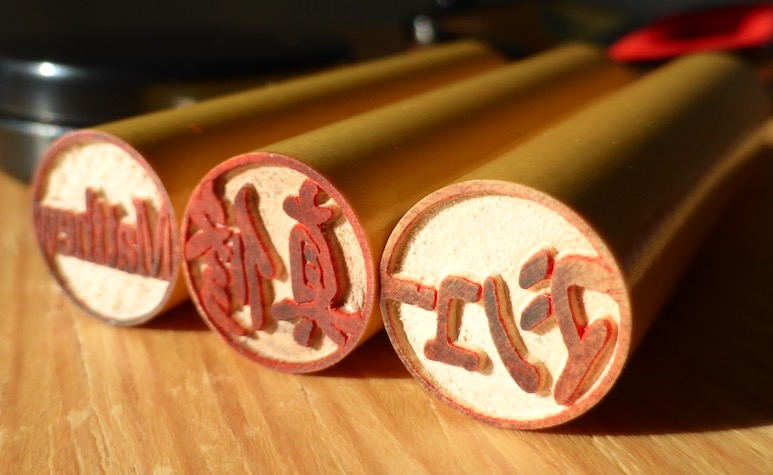
Not all hanko are the same, and for intern purposes, you do not need the most formal or expensive version. Here is how to think about it.
Mitome-in (認め印) is the type you need. This is an everyday personal seal used for general administrative purposes. It is not registered with the government, which means you do not need to go through the jitsu-in registration process at your local ward office. For intern onboarding documents, stipend receipts, and most HR paperwork, a mitome-in is entirely appropriate and widely accepted.
Size: The standard size for personal use is 10.5mm to 12mm in diameter. This fits neatly in the stamp fields printed on most official forms. Anything larger is typically reserved for registered seals used in property transactions and other high-stakes legal matters.
Material: Practical options include resin, wood, and various composite materials. For an intern, durability and affordability matter more than prestige. A well-made resin or hardwood seal in the 10.5mm to 12mm range is perfectly appropriate and will last the duration of your stay and beyond.
What name to use: This is where foreigners sometimes hesitate. You have options. You can use your full name in katakana (the phonetic script used for foreign names), your family name only in katakana, or in some cases a simplified kanji rendering if that is something you have already established. For most interns, katakana rendering of the family name is the practical and standard choice. It is legible, clearly personal, and recognized by HR departments as a legitimate personal seal.
A scenario worth picturing: an intern from Germany named Lukas Becker orders a hanko reading “ベッカー” (Bekka) in katakana. His HR coordinator immediately recognizes it as his personal seal, stamps his documents without question, and the process moves on. No complications, no delays.
Ordering Tips in English
Finding a hanko as a foreigner can feel intimidating, but it does not have to be. The key is knowing where to order and what information to provide.
What to prepare before ordering:
- Your name as you want it rendered (full name, family name only, or a katakana version)
- Confirmation of the katakana spelling, if applicable (your company’s HR team or a quick online katakana converter can help)
- Your preferred size (10.5mm or 12mm for general intern use)
- Your timeline — factor in shipping if you are ordering before arrival
Checklist for ordering:
- Decide on name rendering (katakana family name is the safe default)
- Choose size: 10.5mm for compact, 12mm for standard
- Select material: resin is practical; hardwood is a small step up
- Confirm delivery address and timeline against your start date
- Check that the shop offers English support or an English ordering interface
HankoHub offers an English-language ordering process designed specifically for foreigners navigating exactly this situation. You can input your name, choose your size and material, and have a personal hanko made and shipped without needing to translate anything or visit a physical shop.
A note on timing: if you are ordering from outside Japan, allow enough lead time for international shipping. If you are already in Japan, domestic shipping is typically fast, often arriving within a few business days.
What to avoid:
- Buying a pre-made generic stamp from a convenience store — these are not personalized and will not work as your personal seal
- Ordering a jitsu-in (registered seal) when you only need a mitome-in — unnecessary cost and complexity for intern purposes
- Leaving it until the day before onboarding
FAQ
Do all internships in Japan require a hanko? Not all, but many do. The requirement depends on the company, the documents involved, and whether a stipend or formal agreement is part of the arrangement. Having one prepared is always the safer approach.
Can I use a signature instead of a stamp? Sometimes. Some companies, especially those with significant international experience, will accept a handwritten signature in place of a stamp. However, this varies by institution and by document type. If you are unsure, ask HR directly before assuming a signature will be accepted.
What if my name is very long or unusual in Japanese? Most hanko makers, including HankoHub, work with non-Japanese names regularly and can advise on how to render your name clearly within the stamp field. Shortening to a family name in katakana is the most common and practical solution.
Does the size of the stamp matter? For HR and general administrative documents, 10.5mm to 12mm is standard. If a specific size is required, your HR department will usually tell you. When in doubt, 12mm is a safe default.
Can I use the same hanko for banking? Generally yes, for a regular savings account at a standard Japanese bank. Keep in mind that different banks may have different policies, and some institutions no longer require a hanko at all. It is worth checking with your specific bank in advance.
Is a hanko purchased abroad valid in Japan? A mitome-in does not need to be registered, so there is no formal validation process. What matters is that it bears your name and produces a clean, legible impression. A seal ordered through a reputable service and made to standard specifications will function correctly.
What happens if I lose my hanko? For a mitome-in, the main practical step is ordering a replacement. Since it is not registered, there is no deregistration process required. Keep your hanko in a safe, consistent place — a small carrying case or pouch works well.
Next Steps

The most practical thing you can do right now, before your start date, is get your hanko sorted. It is a small item with a disproportionate impact on how smoothly your first week goes. Order a personal mitome-in from HankoHub, provide your name in katakana, choose a standard size, and have it ready before HR asks. One less thing to worry about when everything else about starting somewhere new is already demanding your attention.