
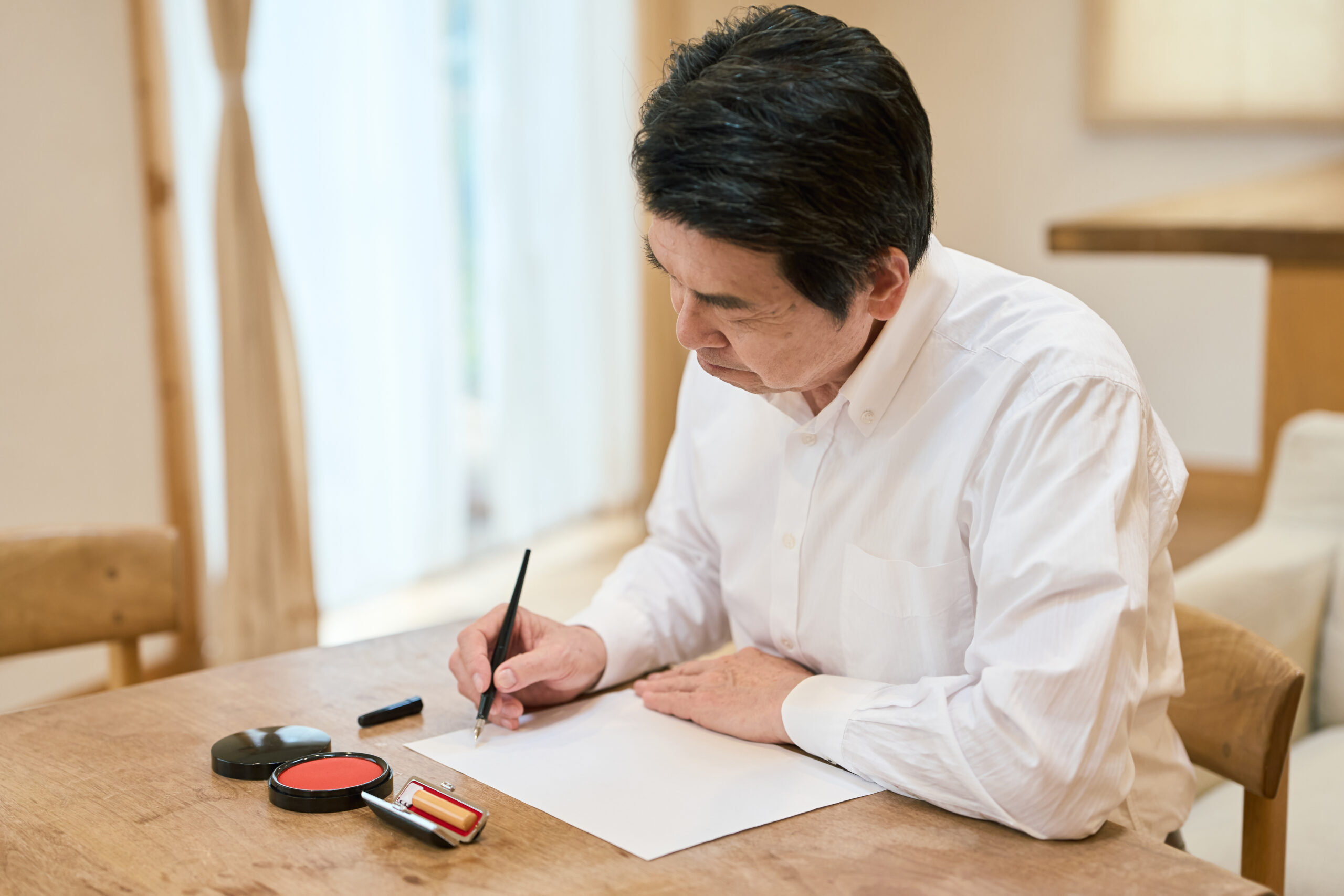
You accepted a hotel job in Japan. The offer letter is signed, the visa is processing, and you are mentally preparing for a new chapter. Then onboarding begins and somewhere in the first stack of paperwork — between the uniform policy and the direct debit form — there is a box labeled hanko or inkan. No one warned you about this.
For foreigners entering Japan’s hospitality industry, the hanko requirement often arrives without context. It is not explained in the job listing, rarely covered in pre-departure orientation, and easy to underestimate until HR is waiting and you have nothing to stamp with. Unlike a signature you can produce anywhere with any pen, a hanko for hotel staff in Japan needs to be ordered, made, and in your hand before the documents arrive.
This guide covers everything a foreign hotel worker needs to know about seals in the HR onboarding process: why the hospitality sector tends to require them, which documents will ask for one and when, what type and size to order, and how to get it done entirely in English. Whether you are weeks away from your start date or already in Japan with onboarding starting tomorrow, this is the practical reference you need.
Why This Segment Is Asked for a Seal

Japan’s hospitality industry leans more traditional than many other sectors when it comes to internal administration. That is not a criticism — it is simply context. Many hotel groups, particularly mid-size Japanese chains, resort properties, and ryokan operators, run HR processes that have been largely unchanged for years. Those processes were built around hanko, and they still expect one.
There are several specific reasons why hotel staff in Japan encounter seal requirements more frequently and earlier than workers in other industries.
Onboarding paperwork is bundled and immediate. Unlike some office roles where documentation trickles in over weeks, hotel HR tends to process everything on or before day one. Employment contract, social insurance enrollment, tax withholding declaration, uniform agreement — these often arrive as a single package. Multiple documents in that package will have a hanko field.
Staff accommodation is common. Resort hotels, large city properties, and rural ryokan frequently offer or require employee housing. A dormitory agreement is a binding residential contract between you and your employer. It almost always includes a personal seal requirement, and it is typically signed before or on your first day.
Internal forms remain paper-based at many properties. Shift change requests, personnel updates, and payroll-related submissions at traditional employers still route through physical paperwork in many cases. A hanko is expected on these as a matter of standard procedure.
It signals professional readiness. This is less tangible but genuinely relevant. Arriving at onboarding with your own seal — rather than asking HR to accept a signature or wait while you source one — removes friction. In a work culture where preparation is noticed and valued, it is a small but meaningful first impression.
Common Documents and Timelines
Knowing what to expect and when helps you plan your hanko order with the right lead time. The following is a realistic sequence for foreign hotel staff going through HR onboarding in Japan.
Before or on your first day:
- Employment contract (koyo keiyakusho) — the most common first document requiring a stamp
- Social insurance and pension enrollment forms
- Salary payment authorization or bank direct debit setup at some employers
- Staff dormitory agreement, if accommodation is provided
Within your first two weeks:
- Municipal resident registration — a hanko is not always required here, but some ward offices request one depending on your situation
- Bank account application — policies vary by institution, but many Japanese banks and Japan Post commonly ask for a personal seal from new account holders
- Health insurance card application support documents at some employers
Ongoing through employment:
- Year-end tax adjustment forms (nenmatsu chosei) at employers who still process these on paper
- Internal personnel change submissions
- Dormitory agreement renewals
A realistic scenario: Priya arrived in Japan for a front desk role at a hotel group in Fukuoka. HR sent her a pre-arrival checklist that mentioned bringing identification and a hanko. She did not know what a hanko was, looked it up the night before, and found a shop near the station that morning. Her name was not available in the pre-made options, so the shop offered to engrave a custom one — ready in three days. She stamped what she could with a borrowed company seal and spent the next week chasing HR to re-stamp the dormitory agreement properly. A small problem, but an avoidable one.
Another scenario: Tom had accepted a sommelier position at a resort in Niigata. The resort sent a detailed onboarding pack two weeks before his start date, including a dormitory agreement. Because he had ordered a custom seal from HankoHub before leaving home, he printed, stamped, and returned the agreement by mail before he even landed in Japan. HR noted it in his welcome message.
The pattern is consistent. Order early, order before you arrive if possible, and treat the hanko as part of your pre-departure checklist rather than something to sort out on arrival.
Recommended Hanko Type and Size
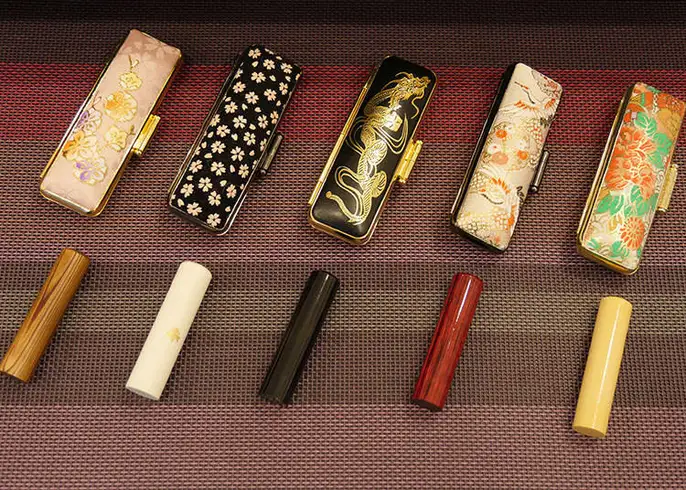
For HR onboarding purposes, you do not need an elaborate or expensive seal. Here is what actually makes sense for hotel staff in Japan.
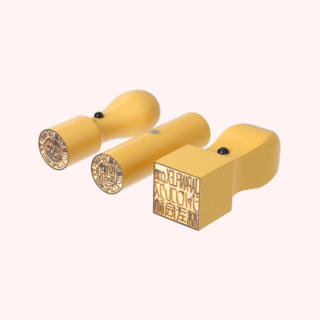
Type: Mitomein (認め印) This is the standard everyday personal seal used for general documents. It is appropriate for employment contracts, dormitory agreements, insurance forms, and most HR paperwork. A jitsuin — the officially registered seal — is not needed for these purposes unless a document specifically requests one, which is uncommon in standard employment contexts.
Size: 10.5mm or 12mm 10.5mm is the most widely used size for personal documents and fits standard stamp boxes on most Japanese forms. 12mm works as well and gives you slightly more flexibility if you plan to use the same seal for banking later. Either is appropriate.
Material: Resin or eco-wood Both are practical, durable, and entirely suitable for everyday use. Premium materials like buffalo horn or precious wood are reserved for jitsuin and are unnecessary at this stage.
Name format: Katakana or romaji This is the question most foreigners have first. Katakana — the phonetic script used to represent foreign words and names in Japanese — is the more traditional option and tends to be accepted without question at all types of employers. Romaji (Roman alphabet) is increasingly common and accepted at many hotels, particularly those with international management. If you are unsure, ask HR before ordering. If you cannot ask in advance, katakana is the safer default.
Common mistakes to avoid:
- Ordering a seal larger than 15mm — it will not fit the stamp boxes on standard Japanese forms
- Using a nickname or shortened name instead of your legal name as it appears on your residence card
- Over-investing in a premium jitsuin-style seal for paperwork that only requires a simple mitomein
- Assuming a convenience store seal will work for a foreign name — it almost certainly will not have your name, and generic seals can be refused on formal documents
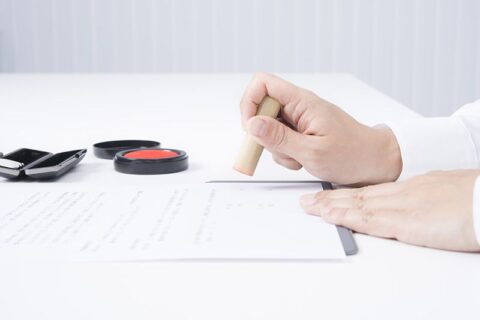
- Forgetting to order an ink pad — a standard vermillion (shuniku) pad is needed and is not always included automatically
Ordering Tips in English
The practical obstacle for most foreign hotel workers is not knowing how to order a hanko without speaking Japanese. This used to mean navigating a local stamp shop with translation apps and hoping the staff could interpret a foreign name correctly. It is considerably easier now.
HankoHub handles the entire process in English. You choose how your name is rendered — katakana, romaji, or a combination — select the size and material, and the seal is made and shipped to your address in Japan. For someone managing a move, a visa, and a new job simultaneously, having one less thing to figure out in Japanese matters.
A few ordering tips that will save you time:
- Ask HR about name format before you order. A quick email asking whether they prefer katakana or romaji takes two minutes and ensures your seal matches what HR expects.
- Order before you leave your home country if possible. Factor in production and shipping time. Ordering a week or two before your departure gives you a comfortable buffer.
- Use your family name only. For foreigners, a single-name engraving using the family name is standard practice and fits neatly within size constraints.
- Order an ink pad at the same time. Vermillion is the expected color for personal seals in Japan. Confirm whether it is included in your order or needs to be added separately.
- Keep your receipt or order confirmation. Not for any formal registration reason — mitomein do not need to be registered — but as a practical record in case you ever need to reorder.
If you are still looking for the right role, ComfysCareer is a solid starting point for foreigner-friendly jobs in Japan.
FAQ
Do I definitely need a hanko, or will my employer accept a signature? Some international hotel brands have updated their HR processes and accept signatures from foreign nationals. Many Japanese hotel groups have not. The safest approach is to have a hanko ready before onboarding and use whichever the document requests. Arriving prepared for both is always better than being caught without one.
Can I use a cheap pre-made seal from a 100-yen shop or convenience store? For common Japanese names, pre-made seals work fine for everyday documents. For foreign names, they are almost never available. A custom seal is necessary, and it presents more professionally on formal HR documents regardless of price point.
What if my name is long or unusual? Hanko makers experienced with foreign names — including HankoHub — deal with this regularly. Using the family name only is the standard approach for foreigners and keeps the engraving clean and readable. Contact the maker before finalizing if you have specific concerns about length or characters.
Do I need to register my hanko anywhere? No. A mitomein used for everyday documents does not require official registration. Registration is only relevant for a jitsuin, which is used for legally significant transactions like property purchases. Standard hotel HR paperwork does not require a registered seal.
My employer has a company seal. Does that replace my personal one? No. A company seal is used for organizational documents on behalf of the business. Your personal hanko is required on documents where you are acting as an individual — your dormitory agreement, your bank account application, your personal tax forms. These are separate things.
Can I order a hanko before I have a Japanese address? Yes. Some makers ship internationally, and others can hold an order for delivery once you have a local address confirmed. Check the delivery options when ordering. If you have a hotel or temporary address for your first week, that works too.
What if a form only has a signature line and no hanko box? Use a signature. Hanko and signatures serve the same function in different contexts. Use whichever the document specifically designates — do not stamp a signature line and do not sign a hanko box.
Next Steps

HR onboarding in Japan moves quickly, and the hanko requirement tends to appear earlier than most foreign workers expect. Having your seal ready before your first day is one of the simplest ways to start a new role in Japan without unnecessary friction.
Visit HankoHub to order a personal hanko in English. Choose your name format, select a size suitable for standard employment documents, and get it shipped to you in Japan — or before you leave home. It is a small preparation that pays off from the moment onboarding begins.