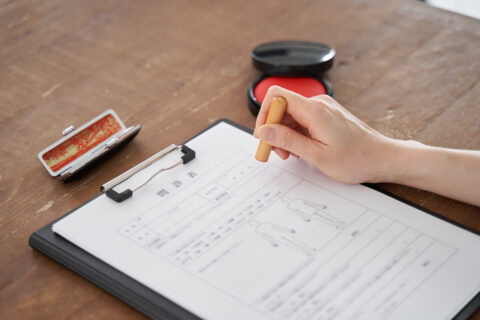


Starting university life in Japan is exciting, and the paperwork starts almost immediately. Before your first class, you will likely sign a dormitory contract, open a bank account, enroll in national health insurance, and register your address at the local city hall. In several of those situations, someone will ask for your hanko. If you do not have one, the process stalls.
This guide is written specifically for foreign students in Japan. It covers why universities and landlords ask for a personal seal, which documents you will realistically encounter and when, what type of stamp to get, and how to order one in English without navigating a shop where nobody speaks your language. By the end, you will know exactly what to do and when to do it.
Why This Segment Is Asked for a Seal
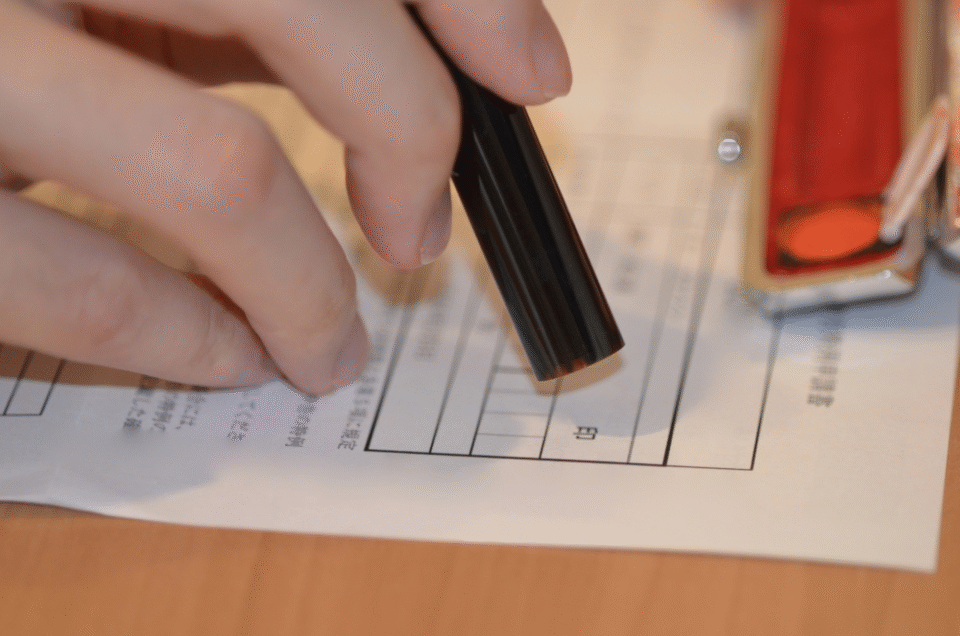
Foreign students are asked for hanko for the same reason every resident in Japan is: the stamp functions as a personal authentication mark. It signals that you, specifically, have agreed to or acknowledged a document. In Japanese administrative culture, this carries weight that a handwritten signature from a foreigner often does not, at least in traditional institutional settings.
There are a few situations unique to students that make this come up early and repeatedly.
University enrollment paperwork. Many Japanese universities, including those with strong international programs, still use stamped forms for internal administrative processes. Scholarship applications, dormitory agreements, and academic registration forms may all include a space for your inkan.
Dormitory and housing contracts. Whether you are living on campus or renting privately through a real estate agency, contracts in Japan commonly include a hanko field. Private landlords dealing with student tenants are sometimes flexible with foreign nationals, accepting a signature instead, but campus housing offices and formal rental agreements often are not.
Bank account opening. This is where many students get caught off guard. Japan Post Bank, which is one of the most accessible options for new arrivals and is often located inside convenience stores, requires a registered bank stamp. Some city banks have relaxed this requirement, but regional branches vary. Students who arrive intending to open an account quickly and receive their scholarship disbursement or part-time pay often find themselves delayed because they do not have a stamp ready.
Part-time work. Foreign students in Japan are permitted to work part-time under their student visa, subject to hour limits. When you start a part-time job, your employer will ask you to complete tax forms and employment paperwork. A stamp is commonly expected here, even at casual workplaces like convenience stores and family restaurants.
The pattern is clear: if you are living in Japan as a student, hanko for foreigners is not an optional extra. It is a practical necessity that shows up in the first few weeks and continues throughout your stay.
Common Documents and Timelines
Knowing when you will need your hanko is as important as having one. Here is a realistic picture of the student timeline and where a stamp fits in.
Before or at arrival (Week 1–2)
- Address registration at city hall (juminhyo). You will need to register within 14 days of arrival. While the registration itself may not require a stamp, the documents that follow often do.
- National health insurance enrollment. This typically happens at the same city hall visit. Some offices request a stamp on the enrollment form.
- Bank account opening. Do this as early as possible. Japan Post Bank or a student-recommended city bank is usually the first step.
During move-in (Week 1–3)
- Dormitory contract signing. If you are in university housing, you will sign a residency agreement. Check with your international student office in advance whether a stamp is required. Most are.
- Private rental contract. If renting off-campus, the real estate agent will walk you through a formal contract that almost always includes a stamp field.
Ongoing throughout the academic year
- Part-time employment paperwork when you start a new job
- Scholarship-related forms and bank transfer authorization documents
- Any formal correspondence with university administration that uses printed forms
A practical scenario: a student from Germany arrives in Osaka in late March for an April intake. She has two weeks before classes begin. In that window, she needs to register her address, open a bank account, sign her dormitory contract, and complete her university enrollment forms. Every single one of those involves either a required or strongly expected hanko. She did not know this before arriving. She ends up borrowing a generic stamp from a dormitory senior for the first week, then rushes to a shop near campus where the staff do not speak English. The experience is stressful and the stamp she ends up with is not ideal for official use.
That scenario is avoidable. Ordering before you arrive is the simplest fix.
Recommended Hanko Type and Size
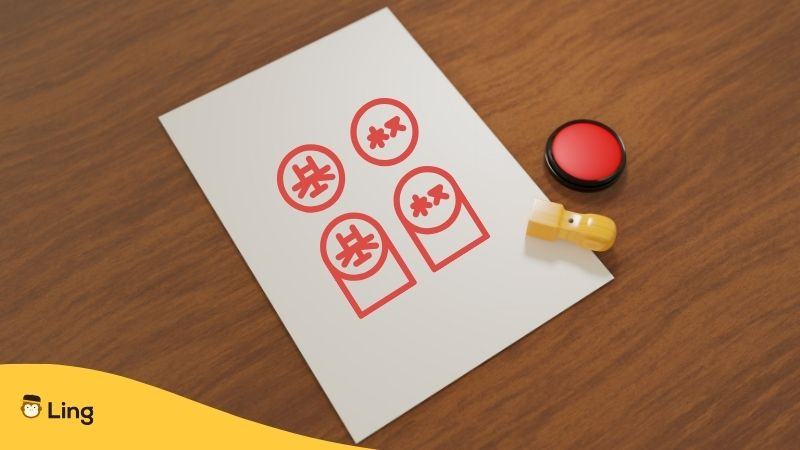
Not every hanko works for every situation. As a student, you do not need the most expensive or formally registered stamp to start with, but you do need one that is made with your actual name and the correct specifications.
For most student use: a mitome-in or ginko-in
A mitome-in is an everyday, unregistered personal stamp. It works for dormitory contracts, part-time job paperwork, university forms, and package deliveries. This is the type most students need first.
A ginko-in is a stamp registered with your bank. If your bank requires one, you will need a stamp specifically designated for that account. In some cases, your mitome-in and ginko-in can be the same physical stamp, but some students prefer to keep them separate to reduce the risk of problems if one is lost.
You do not need a jitsu-in (formally registered at city hall) as a student unless you are doing something unusual like purchasing property or signing a high-value legal contract. Do not over-invest here at the start.
Size
The standard size for adult personal use is 13.5mm in diameter. This is widely accepted for bank registration and general documentation. Avoid stamps smaller than 10mm for anything official.
Material
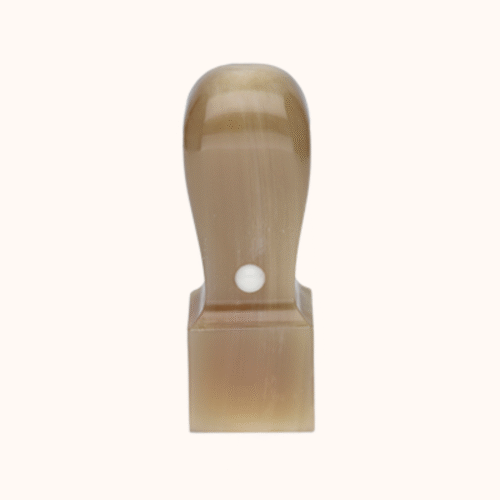
For a practical student stamp, resin or wood is entirely sufficient. Acrylic resin is affordable and durable. If you want something that will last beyond your student years and continue to serve you as a resident or professional in Japan, a mid-range wooden or composite stamp is worth the small additional cost.
Name rendering
Your name will typically be rendered in katakana. This is standard practice for foreign names. If you have a name that is difficult to transliterate, a good online service will guide you through the options. Avoid pre-made stamps with common Japanese surnames from 100-yen shops—these are not appropriate for bank use or official documents and are a common mistake among new arrivals.
If you’re still looking for the right role after your studies, ComfysCareer is a solid starting point for foreigner-friendly jobs in Japan.
Ordering Tips in English
The most friction-free way to get a proper student hanko is to order online in English before you arrive in Japan, or within the first few days if you are already there.
Here is what to look for and how to approach it:
Use a service that handles name rendering for you. Your name in katakana needs to be accurate. A good English-language hanko service will confirm your katakana rendering before production and flag any issues. This removes the guesswork entirely.
Order before departure if possible. If you know your Japanese address in advance (a dormitory address, for example), you can ship directly to Japan. If not, some services ship internationally to your home country first, or hold the order for a forwarding address.
Choose the right type upfront. Be clear whether you need a general-use stamp (mitome-in) or a bank stamp (ginko-in). If you are unsure, a 13.5mm resin or wooden stamp described as a general personal stamp will cover most student needs and can often serve as a bank stamp too, depending on the institution.
Check processing and shipping time. Most quality online services process custom hanko within two to five business days. Factor this into your arrival timeline. If you have a dormitory contract to sign on day three, ordering on arrival day is cutting it close.
Keep your design simple. As a student, you do not need elaborate script styles for practical purposes. A clear, legible katakana rendering in a standard script is appropriate and professional.
HankoHub offers a fully English ordering process, handles katakana name rendering, and ships to Japan. For foreign students navigating Japan paperwork from the moment they land, this is the most practical option available.
A checklist before you order:
- Confirm your name in katakana (or ask the service to confirm it for you)
- Choose 13.5mm diameter for general and bank use
- Select resin or wood for a practical, durable everyday stamp
- Confirm shipping address and estimated delivery before your first paperwork appointment
- Order at least one week before you need it
FAQ
Do I definitely need a hanko as a foreign student in Japan? In most cases, yes. You may be able to get through some situations with a signature, particularly at larger international-facing institutions, but bank account opening, housing contracts, and workplace paperwork commonly require a stamp. Having one before you need it is significantly less stressful than scrambling for one at the last minute.
Can I use a 100-yen shop stamp? For package deliveries, yes. For a bank, dormitory contract, or any official document, no. Pre-made stamps from convenience stores or discount shops typically carry common Japanese surnames and are not appropriate for foreigners, and they will not be accepted for bank registration.
What if I have a long or unusual foreign name? Online services that specialise in custom hanko for foreigners handle this regularly. Your name will be transliterated into katakana, and the service will typically confirm the rendering with you before carving. If your name is particularly long, the stamp may use a shortened or phonetically simplified version—this is normal and acceptable.
My university says I can use a signature instead. Do I still need a hanko? Your university’s internal forms might accept a signature, but your bank, landlord, and employer may not. These are separate institutions with their own requirements. It is worth having a stamp regardless of what your university says.
How do I register my hanko with a bank? Bring your stamp to the bank when you open your account. The bank will press the stamp onto a registration card, which they keep on file. From that point on, the stamp is your registered ginko-in for that account. Keep it safe and do not lend it to anyone.
Can I order a hanko before I arrive in Japan? Yes. If you have a confirmed delivery address in Japan (such as a dormitory), you can order in advance and have it waiting for you. HankoHub ships to Japan, and ordering before arrival is the recommended approach for students with early paperwork appointments.
Is a digital hanko enough for student paperwork? No. Digital hanko are used in some modern workplace and corporate settings for internal digital documents. They are not accepted for bank registration, housing contracts, or official government forms. As a student in Japan, you need a physical stamp.
Next Steps

The paperwork starts the moment you land, and a missing hanko is one of the easiest problems to prevent. Head to HankoHub, enter your name in English, choose your size and material, and place your order before your arrival date. Your stamp will be made with your actual name in proper katakana, sized correctly for official use, and shipped directly to your address in Japan. One less thing to sort out during an already busy first week.