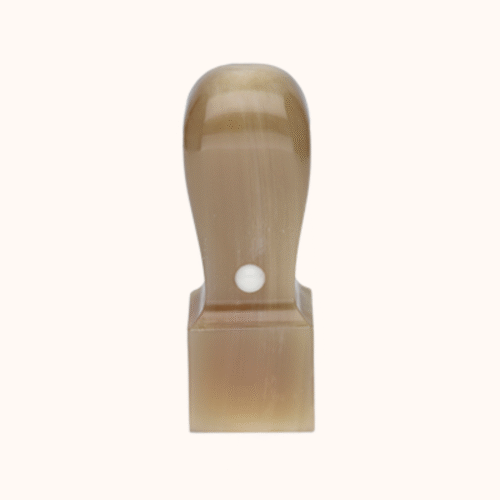


Most foreign students arriving in Japan expect a language barrier. What they don’t expect is a tool barrier—specifically, the moment someone slides a form across a desk and points to a small circle waiting for a stamp they don’t have. Understanding hanko for students in Japan isn’t just useful for big moments like signing a lease or starting a job. It’s relevant to the quieter, ongoing layer of daily admin that defines student life here: picking up parcels, signing for deliveries, confirming receipt of documents, handling university paperwork between enrollment and graduation.
A hanko is a personal name seal, and in Japan it functions as a portable identity confirmation tool. For foreign students, it shows up in contexts that feel minor but can cause real friction when you’re unprepared. A missed delivery. A club registration that can’t be submitted. A university office form that sits incomplete because no one mentioned you’d need a stamp.
This guide is about that daily layer—the everyday administrative situations that don’t make the big relocation checklists but add up quickly once you’re living in Japan. By the end, you’ll know exactly when you need your seal, what type makes sense, and how to order one in English before it becomes a problem.
Why This Segment Is Asked for a Seal
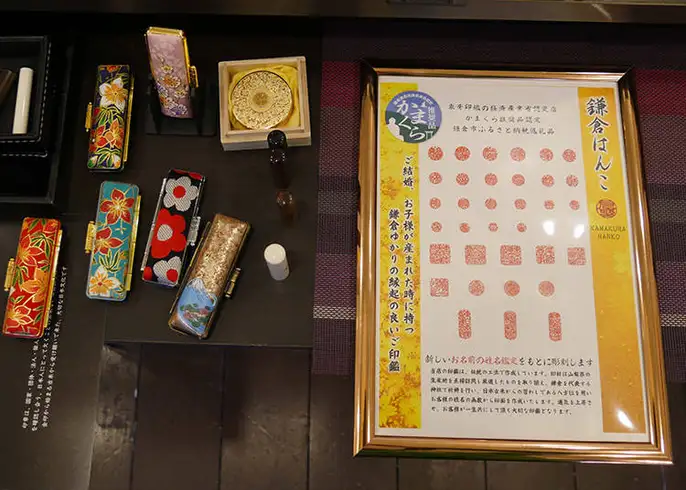
The hanko’s role in daily Japanese life is deeply embedded. It predates modern ID systems, and even as digital processes have expanded, the physical stamp remains a trusted confirmation tool in many everyday contexts. For foreign students, this matters because the daily admin you encounter—at your university, your local convenience store’s delivery counter, your ward office, your library—was designed with this expectation built in.
There’s also a practical trust dimension. In Japan, producing a hanko signals that you’re engaged with local conventions, not working around them. For administrative staff at universities, municipal offices, or housing management companies, a student who arrives with a hanko is one they can process efficiently. One who doesn’t have one creates a small but real disruption to a workflow that wasn’t designed for exceptions.
Three everyday situations that illustrate why students specifically encounter this:
Parcel and delivery receipts. Japan’s delivery culture is highly developed, and re-delivery slips are a fact of life. When you receive a package—from a courier, from the university mailroom, or from a Japan Post delivery—a hanko is the standard way to confirm receipt. Many delivery staff will accept a signature from a foreigner, but not all, and the expectation varies by company and region.
University internal forms. Beyond enrollment, the day-to-day administrative life of a student in Japan involves a steady flow of internal forms: seminar registration, equipment borrowing records, certificate request forms, thesis submission checklists. A significant portion of these include stamp fields, and university administrative offices often prefer a stamp to a signature.
Ward office and civic processes. Any ongoing interaction with your local municipal office—updating your address, requesting copies of your resident registration, applying for various certificates—may involve forms with stamp fields. The frequency depends on your ward and your circumstances, but it’s consistent enough that having a hanko on hand is simply practical.
A realistic scenario: Fatima, a Moroccan PhD student in Kyoto, needs to pick up a certified document from her university’s administrative office. The receipt form has a stamp field. She signs instead, and the staff member pauses, checks with a colleague, and ultimately accepts it—but the exchange takes fifteen minutes and leaves Fatima feeling like she navigated an obstacle rather than completing a simple task.
That kind of friction, repeated across small moments, is what a hanko eliminates.
Common Documents and Timelines
Unlike the front-loaded paperwork of housing or HR onboarding, daily admin documents appear throughout your entire time as a student in Japan. There’s no single window when they cluster—they’re distributed across the academic year and beyond.
Ongoing throughout your studies:
- Parcel and courier delivery receipts
- University internal forms (seminar, lab, library, equipment)
- Certificate and document request forms at the administrative office
- Club or circle activity registration and renewal
- Academic calendar forms (leave of absence requests, grade confirmations, thesis submissions)
Periodically, tied to administrative cycles:
- Address update forms at the ward office
- National Health Insurance renewal or adjustment forms
- Resident registration certificate requests
- Any correspondence with your university’s international student support office that requires formal acknowledgment
At specific milestones:
- Scholarship receipt confirmations
- Thesis or dissertation submission documentation
- Graduation ceremony-related administrative forms
A checklist of daily admin contexts where a hanko is commonly useful:
- Parcel delivery receipts (courier and postal)
- University seminar and lab registration forms
- Library borrowing agreements or late return acknowledgments
- Equipment or locker allocation forms
- Certificate and transcript request forms
- Ward office document requests
- Club or student organization registration
- Scholarship disbursement acknowledgments
- Thesis submission documentation
- Leave of absence or study interruption forms
The timeline reality for students is this: if you have a hanko from the start—ideally before or shortly after arrival—you never have to think about whether you have one. It lives in your bag or your desk, and when a stamp field appears, you’re ready.
Recommended Hanko Type and Size
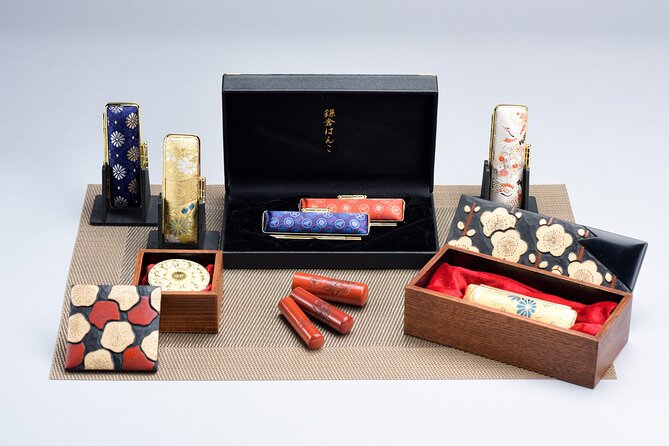
For daily admin, the right seal is the most practical one: a mitome-in, the standard everyday personal stamp. This is not the registered jitsuin used for legal property transactions, and it’s not the ginkō-in used specifically for banking. It’s the general-purpose stamp that covers everything a student encounters in routine administrative life.
Size: 10.5mm diameter is the sweet spot for daily use. It fits cleanly in the stamp fields on standard Japanese forms, it’s small enough to carry comfortably, and it produces a clear impression without requiring precision placement. 12mm is also widely used and acceptable—slightly larger, slightly easier to handle if you’re new to stamping technique.
Material: For daily use, durability and practicality matter more than prestige. Resin composites are the most common choice—they’re affordable, resistant to everyday wear, and maintain a clean stamping surface over years of regular use. Eco-wood options are similar in durability and have a slightly warmer feel. Either is more than adequate for everything a student needs.
Name engraving: Foreign names on Japanese hanko are handled in one of two ways:
- Katakana. The phonetic Japanese script used for foreign words and names. This is the most universally accepted option across university offices, ward offices, and delivery counters. “Daniel” becomes ダニエル, “Aisha” becomes アイシャ. It reads immediately as a foreign name rendered in Japanese convention.
- Roman alphabet. Some providers engrave names in Latin script. For daily admin purposes this is generally fine, but katakana is more consistent in its acceptance and integrates more naturally into Japanese administrative documents.
Common mistakes to avoid:
- Engraving your full name when Japanese convention uses one name per seal. Family name alone is standard and keeps the stamp clean and legible.
- Choosing a decorative or cursive font that produces unclear impressions. Delivery staff and university clerks need to read what’s stamped, and a smudged or ornate impression can cause delays.
- Keeping your hanko in a case that’s difficult to open quickly. For daily use, you’ll want the seal accessible—a simple cap-style case is faster than a hinged box.
- Forgetting to carry it. The most common daily admin mistake isn’t the wrong seal; it’s the right seal left at home. Once you have one, make it part of your everyday carry.
Ordering Tips in English
Ordering a hanko as a foreign student is straightforward when you use a service built for that purpose. You don’t need to read Japanese, navigate a local stamp shop, or figure out katakana yourself. English-language providers handle the name conversion and the engraving, and the ordering process takes minutes.
Before you order, have these details ready:
- Your name as you want it engraved—family name is standard, one name only
- Script preference: katakana (recommended) or Roman alphabet
- Size: 10.5mm for standard daily use, 12mm if you prefer a slightly larger stamp
- Your arrival date or the date you need it by, to confirm delivery timing
If you’re still looking for the right role, ComfysCareer is a solid starting point for foreigner-friendly jobs in Japan.
HankoHub is designed for exactly this situation. The entire ordering process is in English, name-to-katakana conversion is handled accurately, and the service is built around the practical needs of foreigners in Japan. For students who know their arrival date, ordering two to three weeks in advance gives a comfortable delivery buffer.
Practical details worth confirming before you complete your order: whether the service ships internationally or domestically within Japan, whether an ink pad is included, and whether the case style suits everyday carry. A hanko without ink and a case that’s awkward to open quickly becomes less useful in the daily admin situations it’s meant for.
FAQ
Do I need a hanko for every parcel delivery in Japan?
Not always. Many delivery companies accept a signature from foreign residents, and some have moved to digital confirmation systems. However, the expectation varies by courier company, by region, and sometimes by individual delivery staff. Having a hanko means you’re covered regardless of which system you encounter.
Will my university tell me if I need a hanko?
Some international student offices mention it during orientation; many don’t. It’s rarely framed as essential in pre-arrival communications, which is why foreign students often discover the need mid-process rather than before arrival. Treating it as a standard part of your Japan preparation—like getting a Suica card or registering your address—is the more practical approach.
Can I get a hanko after I arrive in Japan instead of ordering in advance?
Yes, but with caveats. Hanko shops (hanko-ya) exist in most cities, and some 100-yen shops carry off-the-shelf options. The problem is that pre-made options carry common Japanese names and won’t have foreign names in stock. Custom orders at local shops involve language barriers and several days of wait time. Ordering in advance through an English-language service like HankoHub is faster, easier, and usually better value.
Is one hanko enough for all my daily admin needs?
For everything a student encounters in routine administrative life—deliveries, university forms, ward office documents, club registrations—yes, one mitome-in is sufficient. The only exception is if a specific institution requires a registered seal (jitsuin), which is uncommon in student contexts.
What happens if I lose my hanko?
For a standard unregistered mitome-in, losing it is inconvenient but not a legal emergency. You order a new one. Unlike a registered seal, there’s no deregistration process required. The practical risk is a gap period where you don’t have one—which is another reason to order from a fast-turnaround English-language service if replacement becomes necessary.
Does the ink pad matter, or is any ink fine?
Japanese hanko ink (vermilion red, called shuniku) is the standard for official and semi-official documents. Using the correct ink color matters more than it might seem—a black ink stamp on a form that expects red can look informal or incorrect to administrative staff. Most hanko sets sold for official use include the right ink, but confirm this when ordering.
Next Steps

Daily admin in Japan is manageable once you understand the tools it runs on. A hanko is one of the most practical items a foreign student can have from day one—small enough to carry everywhere, useful enough to justify ordering before you need it rather than after. Order your personal hanko through HankoHub in English, with your name handled correctly for Japanese administrative use, and arrive ready for whatever form lands in front of you.