

Kyoto has a reputation for being a place people visit. What surprises many is how many people end up staying. A teaching contract that turns into a second year. A remote job that makes the rent math work. A relationship, a graduate program, a slower pace of life that proves harder to leave than expected. Living in Kyoto as a foreigner is its own experience — different from Tokyo, different from Osaka, shaped by a city that takes its history seriously without being frozen in it.
The practical side of settling in, however, follows the same pattern as everywhere else in Japan. Paperwork first, everything else second. The ward office before the bank. The bank before the payroll. The hanko before the lease. If you get the sequence right, the first few weeks move relatively smoothly. If you don’t, you spend a lot of time retracing steps.
This guide walks through each piece of the setup — housing, banking, commuting, phone — and explains where your hanko fits in and why it matters earlier than most people plan for. Whether you just landed or you’re still in the planning stage, what follows is meant to be genuinely useful.
City Overview and Costs
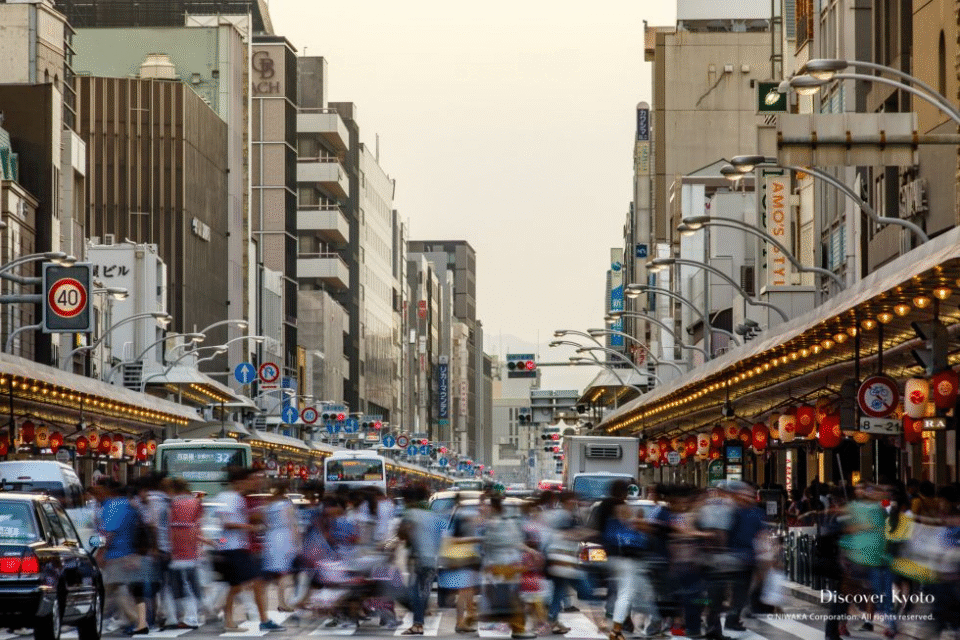
Kyoto sits in the Kansai region, roughly 75 kilometers northeast of Osaka and about 30 minutes by shinkansen from there. It’s a mid-sized city by Japanese standards — around 1.4 million residents — with a density of universities, temples, traditional craft industries, and a tourism sector that runs year-round. The foreigner community is smaller and quieter than Tokyo or Osaka, but it’s established, particularly around the university districts of Yoshida, Shimogamo, and Sakyo-ku.
Rent in Kyoto is generally lower than Tokyo but comparable to, or slightly higher than, Osaka in some central neighborhoods. A one-room apartment (1K or 1DK) in areas like Kawaramachi, Fushimi, or Nishioji typically runs ¥45,000 to ¥75,000 per month. Further from the city center — Uji to the south, Nagaokakyo to the west, or Yamashina to the east — you can find similar space for less. Utilities add ¥10,000 to ¥20,000 depending on season; Kyoto winters are colder than many newcomers expect, and heating costs in older buildings can be significant.
Day-to-day costs for food and groceries are reasonable. Nishiki Market is convenient but priced for tourists; local supermarkets like Fresco, Mandai, and Gyomu Super are where most residents actually shop. A realistic monthly budget for a single person — rent, utilities, food, transport — sits between ¥130,000 and ¥175,000, with a lot of room depending on lifestyle.
One thing worth noting early: Kyoto’s layout is more compact than Osaka’s, and many residents cycle rather than rely entirely on trains. That affects both where you live and what your commute looks like.
Housing Setup
Finding an apartment in Kyoto as a foreigner follows the same general pattern as elsewhere in Japan, with a few local nuances. The city has a large student population and a well-developed short-term rental market, which means furnished options and guesthouse-style accommodation are more accessible here than in some other cities. That can help in the first weeks while you get your documents in order.
For longer-term apartments, agencies that regularly work with foreigners include Sakura House (which has Kyoto listings), and various local real estate offices near Kyoto Station and Karasuma. Landlord acceptance of foreign tenants varies — some require a Japanese guarantor, others accept a guarantor company (hoshō gaisha), and a smaller number require neither if your employment situation is stable and documented.
The administrative sequence matters. Before almost anything else, you need your residence card (zairyu card), which is issued at the airport on arrival for long-term visa holders. Your first stop after securing temporary accommodation is the ward office (ku-yakusho or shi-yakusho) to register your address. Kyoto City Hall and its district offices handle this — the main city office is near Karasuma Oike Station, and branch offices are distributed across the city’s eleven wards.
A realistic scenario: A new English teacher arrives in Kyoto in late March, the start of a school year. Their employer has arranged temporary housing for the first month. During that time, they register their address at the Nakagyo ward office, open a bank account, and receive their first payroll instructions from HR — all within the first two weeks. When the permanent apartment lease is signed at the end of the month, they already have a registered hanko ready.
Common mistakes in housing setup:
- Moving into accommodation without registering the address, which blocks bank account applications and phone contracts
- Underestimating initial costs — key money (reikin), deposit (shikikin), and agency fees can total three to four months’ rent upfront
- Signing a lease in Japanese without requesting even an informal summary in English from the agency
- Not accounting for the fact that many Kyoto apartments, especially older machiya-style buildings, may lack central heating or modern insulation
Banking and Salary
The process for opening a bank account in Kyoto is consistent with Japan broadly, though the specific institutions available and their accessibility to foreigners varies slightly by location and timing of your arrival.
Japan Post Bank (Yucho Ginko) remains the most consistently accessible option for new arrivals, with a lower residency threshold than many commercial banks. Seven Bank (operated through 7-Eleven ATMs) offers a basic account that can be opened with minimal documentation. For a more full-featured account, SMBC, Resona, or regional options like Kyoto Bank are worth exploring once you have several months of residency and employment documentation behind you. SBI Sumishin Net Bank continues to be popular among foreigners for its online interface and English-language support.
Documents typically required: residence card, passport, registered Japanese address, and a Japanese phone number. Some institutions also ask for proof of employment or a student enrollment certificate.
Salary in Japan is paid monthly, directly into your bank account. Your HR or payroll department will request your bank details — specifically the bank name, branch name, branch code, account type (futsu, meaning ordinary), and account number. Have these ready within the first two weeks of employment.
If you’re aiming to work in Kyoto, check ComfysCareer for openings that match your language level.
Where your hanko comes in: Banking paperwork in Japan commonly involves a hanko impression rather than a written signature, particularly for account setup, loan applications, or any amendment to account details. For basic accounts at foreigner-accessible institutions, this requirement varies — some accept a signature. For more formal financial documents or salary accounts at traditional banks, a registered hanko is often expected. Getting yours sorted early removes a predictable obstacle.
Commuting Basics
Kyoto’s public transport system is smaller than Osaka’s or Tokyo’s but functional for most daily needs. The city is served by Kyoto Municipal Subway (two lines: Karasuma and Tozai), JR lines including the Sagano and Biwako lines, and several private railways — Kintetsu, Keihan, Hankyu — that connect Kyoto to Osaka, Nara, and surrounding areas.
For IC card users, ICOCA is the standard card for the Kansai region and works across all of the above networks, as well as buses, convenience stores, and some vending machines. It can be purchased and topped up at station machines. Commuter passes (teiki) are worth buying if your route is fixed — confirm with your employer whether transport costs are reimbursed and what documentation they need.
Kyoto’s bus network is extensive but can be slow during tourist season due to congestion on major routes. Many residents — particularly those in the central and northern wards — cycle instead. Kyoto is largely flat in its central basin, which makes cycling genuinely practical. If you buy a bicycle, register it at the point of purchase or at your local police station. Unregistered bicycles can create complications if checked.
For trips to Osaka (common for both work and leisure), the Hankyu line from Kawaramachi and the JR line from Kyoto Station offer frequent service at different price points. The shinkansen from Kyoto Station connects to Tokyo in roughly two hours and fifteen minutes.
Where Hanko Fits In
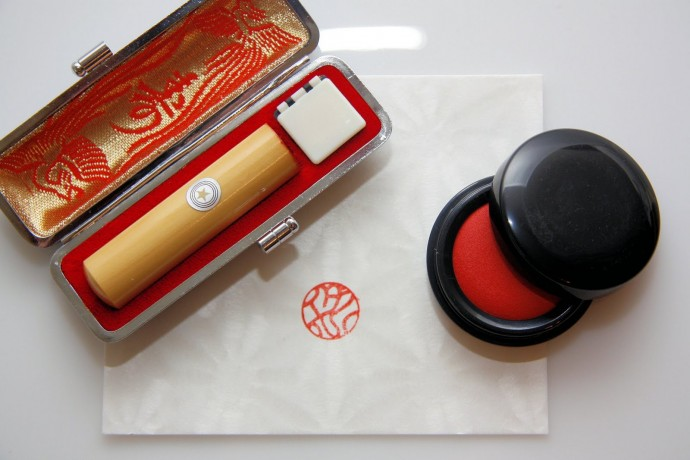
Most expat guides treat the hanko as a footnote or a novelty. In practice, it’s a recurring administrative requirement that shows up faster and more often than newcomers expect.
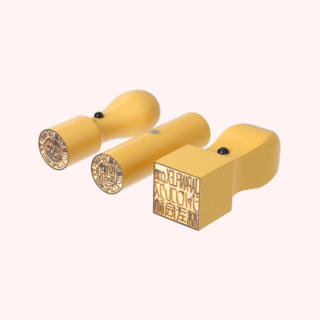
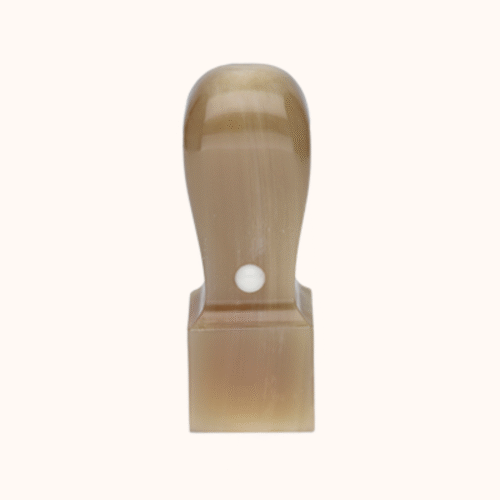
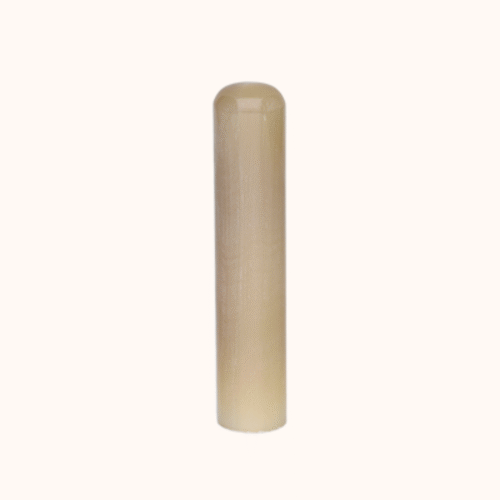
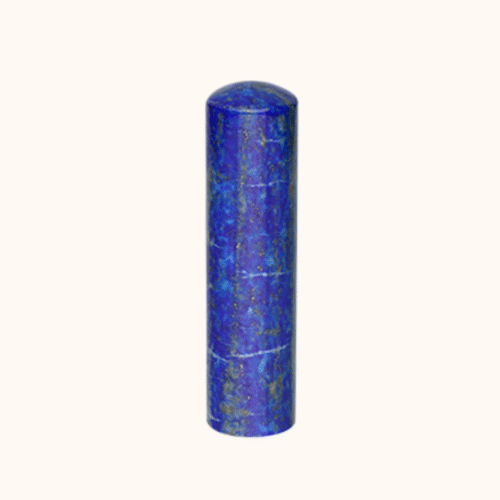
A hanko — also called an inkan — is a personal stamp used in place of or alongside a handwritten signature in Japan. In Kyoto specifically, where traditional institutions, older landlords, and established administrative culture remain prominent, the expectation that you have one tends to be firm.
Here is a practical checklist of when your hanko may be required in Kyoto:
- Signing an apartment lease (especially with individual or traditional landlords)
- Opening certain bank accounts or completing financial paperwork
- Employment contract documentation
- Registering at the ward office for certain applications
- National health insurance enrollment at some offices
- Signing for registered mail or official deliveries
- Phone contracts with some carriers
- Any formal agreement involving a Japanese counterpart
For everyday use, a basic hanko (mitome-in) is sufficient. For lease agreements and bank accounts — particularly registered accounts — a formally registered hanko (jitsu-in), registered at your ward office and accompanied by a certificate (inkan shōmei-sho), may be required. The registration process itself takes around fifteen to thirty minutes at the ward office and is valid for three months per certificate.
A common scenario: A foreigner moving into a Kyoto apartment managed by an older local landlord reaches the contract signing. The landlord expects a hanko. A written signature is politely declined. The signing is rescheduled, an extra week passes, and the move-in is delayed. This is not uncommon, particularly with privately owned properties in the older residential neighborhoods that make up much of central Kyoto.
Another scenario: A graduate student arriving at Kyoto University orders a custom hanko before departure, registers it at Sakyo ward office in their first week, and uses it to sign their apartment contract, open a bank account, and complete university enrollment paperwork — all within the first three weeks of arrival.
Common mistakes with hanko:
- Assuming a written signature will substitute in all cases — it frequently won’t, particularly with older or more traditional institutions
- Ordering a hanko with a romanized (alphabet) name when katakana rendering is standard for foreign names in Japan
- Using a generic, mass-produced stamp that cannot be registered as a unique personal seal
- Losing or misplacing the inkan shōmei-sho — reissuance takes time and a trip back to the ward office
A custom hanko with your name rendered in katakana, ordered before arrival or in your first week, is one of the simplest ways to avoid a predictable problem. HankoHub offers custom hanko with English ordering, katakana name rendering, and sizing options suited to Japanese ward offices and financial institutions.
FAQ
Do I need a hanko right away, or can it wait? Don’t wait. Lease signings and bank setups happen within your first two weeks in most cases. Having your hanko ready before those appointments removes a real bottleneck. Order before you arrive if possible.
Can I use my signature instead of a hanko in Kyoto? At some institutions, yes — particularly foreigner-friendly banks and some modern landlords. But Kyoto has a higher proportion of traditional landlords and older institutions than cities like Tokyo, and the expectation of a hanko tends to be stronger. Ask in advance rather than assuming.
How long does it take to open a bank account? Japan Post Bank is typically the fastest — sometimes same-day. Commercial banks may take longer, especially if residency is recent. Having your residence card, registered address, and a Japanese phone number ready speeds things up significantly.
Is Kyoto harder to navigate as a foreigner than Tokyo or Osaka? The paperwork system is identical across Japan. What differs in Kyoto is cultural tone — the city has a reputation for reserve and formality that can feel less immediately legible than Osaka’s directness or Tokyo’s efficiency-focused approach. Administratively, some ward offices have English-speaking staff or multilingual materials; call ahead to confirm. The Kyoto City International Foundation (KCIF) also provides support and resources for foreign residents.
What’s the best neighborhood for a foreigner settling in Kyoto? For central access and proximity to transport: Karasuma, Kawaramachi, or the area around Kyoto Station. For a quieter residential feel with university-area energy: Yoshida or Shimogamo. For lower rent with reasonable access: Fushimi, Nishioji, or Yamashina.
What size hanko should I get? For personal use — leases, bank accounts, general paperwork — a 12mm or 13.5mm diameter is standard. HankoHub lists sizing options clearly when you configure your order.
Next Steps

The first few weeks in Kyoto move quickly, and the paperwork window is tighter than it looks. Address registration unlocks your bank account. Your bank account unlocks your salary. Your lease requires your hanko. Getting ahead of that last step — before the signing appointment, not after — is the difference between a smooth first month and an avoidable delay.
Order your custom hanko in English at HankoHub. The ordering process is designed for foreigners, the name rendering options cover katakana and other scripts, and it arrives ready for the exact situations this guide covers.