

Moving to a new city is always a mix of excitement and low-grade panic. Moving to a Japanese city as a foreigner adds another layer: new language, unfamiliar paperwork systems, and bureaucratic steps that nobody warned you about back home. Kobe sits in a sweet spot that makes it more manageable than most. It is smaller than Tokyo, more international than many mid-size Japanese cities, and genuinely livable from day one if you know what to expect.
Living in Kobe as a foreigner has become increasingly common, particularly among professionals, English teachers, and people relocating from within Japan who want a calmer pace without sacrificing urban convenience. The city has a long history with foreign residents — the Kitano district still carries the architecture of 19th-century trading families — and that history shows up in practical ways: more bilingual signage than average, a city hall that has seen its share of resident registration questions, and a general familiarity with the idea that not everyone speaks Japanese.
This guide walks you through the actual setup process: where to live, how to open a bank account, what your commute will look like, and where a hanko fits into the paperwork stack. It is written for people who are either about to arrive or have just landed and are staring at a pile of things to figure out.
City Overview and Costs

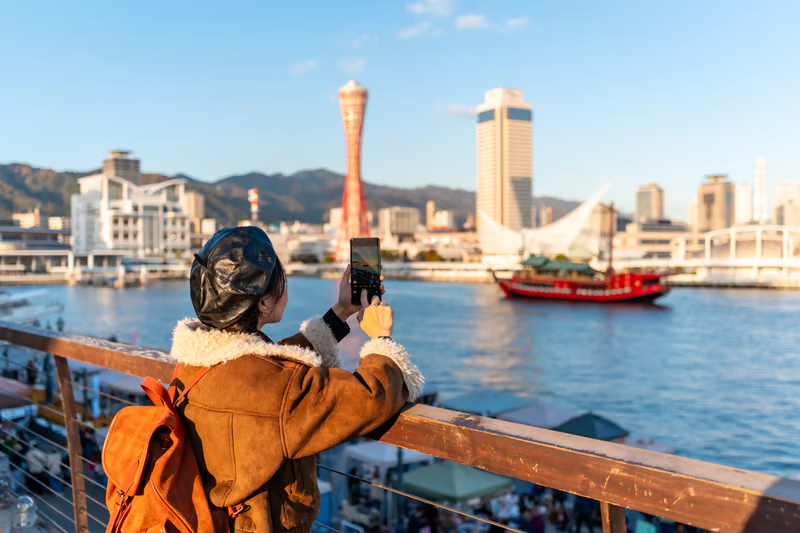
Kobe is a port city in Hyogo Prefecture, sandwiched between the Rokko mountain range and Osaka Bay. It takes about 20 minutes by train to reach central Osaka, which means many residents treat the two cities as one extended living area. Kobe has its own economy, though, built around shipping, biomedical research, fashion, and food manufacturing — it is the origin city of Kobe beef, which locals will mention at least once in any serious conversation about the city.
The cost of living sits noticeably below Tokyo and slightly below Osaka. A one-room apartment (1K or 1LDK) in a convenient area like Sannomiya or Motomachi typically runs between ¥55,000 and ¥85,000 per month depending on age and condition. Further out toward Tarumi or Nishi Ward, those numbers drop. Groceries, transport, and dining are all roughly in line with other major Japanese cities, though Kobe has a concentration of good mid-range restaurants that make eating well on a budget easier than expected.
The city is compact enough that a bicycle handles a lot of daily movement. That said, the terrain is hilly — anything north of the main train corridor involves some elevation, and not all of it is bike-friendly. Factor that into your neighborhood choice early.
Housing Setup
Finding an apartment as a foreigner in Japan is where most people hit their first real wall. Landlords often require a guarantor, and many older agencies are uncomfortable renting to non-Japanese residents, particularly those without a long employment history in the country. Kobe is somewhat more open than smaller cities, partly because of its international history, but the standard friction still applies.
Your practical options fall into three categories. The first is a standard agency rental, which requires key money (reikin), a deposit (shikikin), agency fees, and a guarantor — typically a Japanese national or a corporate guarantor service. If your employer is arranging your move, they may handle this. If you are arriving independently, look for agencies that explicitly work with foreign residents, or use platforms like Suumo or GaijinPot Housing that list foreigner-friendly properties.
The second option is a monthly or weekly apartment (monthly mansion), which charges more per month but skips most of the upfront costs and paperwork. These are useful for the first one to three months while you get your residence card sorted and find a long-term place.
The third is a share house. Kobe has a decent number, particularly around Sannomiya and Kitano. Most accept residents with minimal paperwork and some operate in bilingual environments. For someone arriving without a guarantor or a Japanese bank account, this is often the most practical first step.
Once you have an address, go to your ward office (区役所, kuyakusho) within 14 days and register your address. This is not optional — your residence card needs to reflect where you actually live, and almost everything else in this guide depends on having that address registered. Bring your passport and residence card.
Common mistakes in the housing setup phase:
- Signing a lease before registering your residence card — some landlords require it first, which creates a chicken-and-egg problem. Ask the agency specifically about timing.
- Choosing an apartment based on rent alone without checking the nearest train station’s lines. In Kobe, being on the JR line versus the Hankyu versus the subway makes a real difference for where you can easily reach.
- Missing the 14-day registration window and discovering months later that your address on official documents is inconsistent.
Banking and Salary
Opening a Japanese bank account as a new arrival has gotten slightly easier in recent years, but it still requires patience. Most major banks — MUFG, Mizuho, SMBC — prefer that you have been registered at a Japanese address for at least six months before they will open an account for you. Japan Post Bank (Yucho) is the most commonly recommended option for fresh arrivals because they are generally more flexible, widely available, and their ATMs accept foreign cards while you wait.
For Kobe specifically, the Hyakugo Bank and Kansai Mirai Bank have branches throughout the city and are known for working with local residents including foreign nationals. Some international employers in the biomedical or shipping sectors arrange direct deposit into whichever bank the employee chooses, which can simplify the process.
To open an account you will typically need: your residence card, your registered address (which means you need to sort housing first), and sometimes proof of employment or enrollment. The process is done at a branch, in person, and forms are usually in Japanese — bring a patient bilingual friend or prepare your key information on a piece of paper in advance.
If you’re aiming to work in Kobe, check ComfysCareer for openings that match your language level.
Once your salary starts arriving, you may find that your employer requests a bank transfer rather than cash payment — which makes the bank account non-negotiable, not optional.
Commuting Basics
Kobe’s train network is more layered than it looks. The main east-west corridor runs through JR, Hankyu, and Hanshin lines — all parallel, all connecting Kobe to Osaka, but stopping at different stations and serving different neighborhoods. The Kobe Municipal Subway has two lines (Seishin-Yamate and Kaigan) that cover the north-south corridor and connect to the waterfront area.
For daily commuting within Kobe, an IC card (Suica or ICOCA) handles everything. Load it at any station machine. Most convenience stores, vending machines, and some restaurants also accept it, which makes it a useful daily payment card beyond just transport.
The Port Liner connects Sannomiya station to Port Island, where several biomedical research facilities and the airport are located. If you are working in that area, factor in that the Port Liner is a single-track automated line and gets genuinely crowded during peak hours.
Cycling is common and practical for flat routes near the waterfront. The hilly areas north of the Rokko Island and Kitano district are manageable on an electric bicycle but harder on a standard one. Bicycle registration is required in Japan — when you buy a bike, the shop usually handles this for you, but keep the registration slip.
Where Hanko Fits In
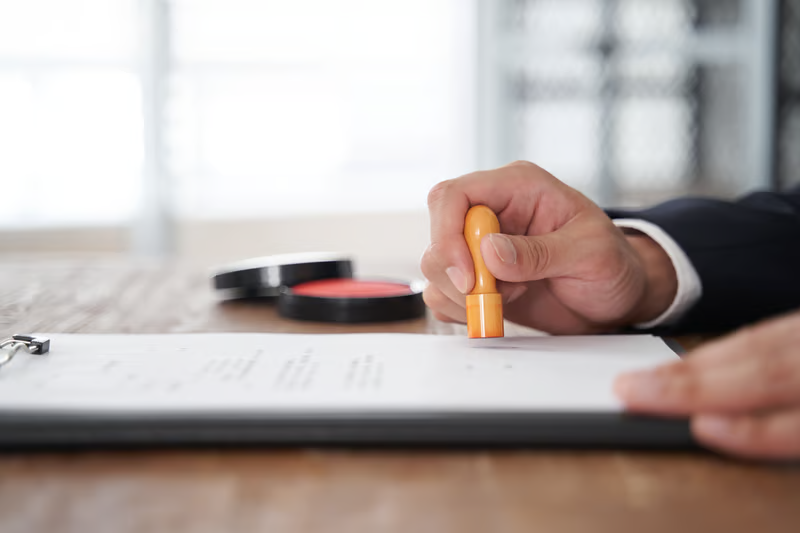
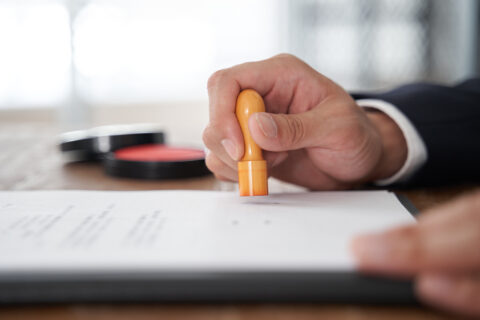
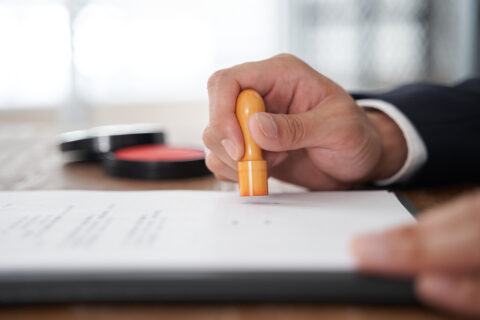
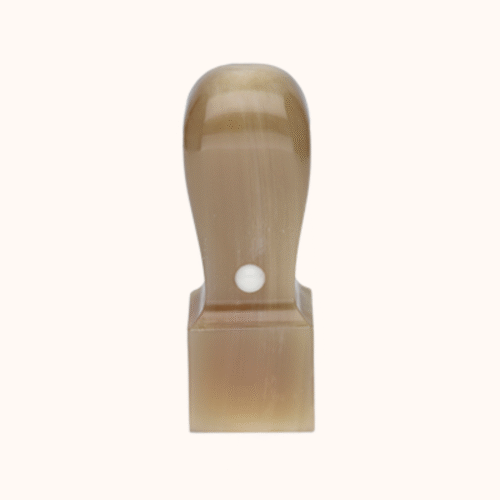
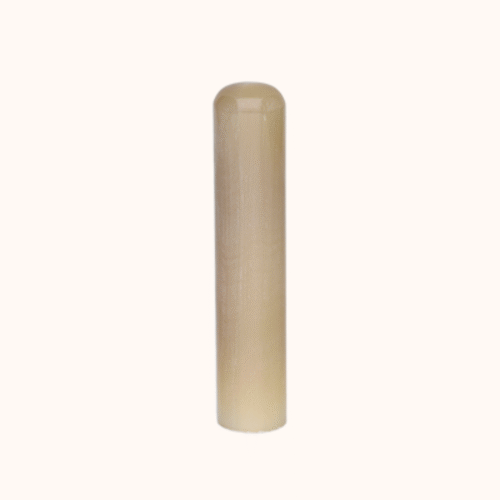
A hanko is a personal name stamp used in Japan as an official signature on documents. If you are staying in Japan for more than a short visit, you will encounter situations where one is expected: lease agreements, bank account applications, some employment contracts, and various city hall procedures.
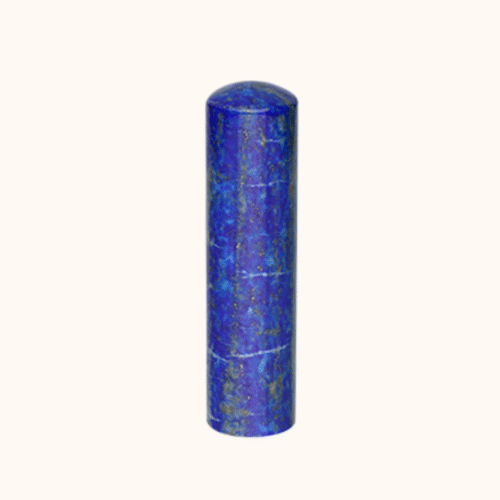
For most daily situations a foreigner faces in Kobe, a mitomein (認め印) — a basic personal hanko — is sufficient. This does not need to be registered and can be used for delivery confirmations, internal company paperwork, and informal agreements.
For higher-stakes documents — opening certain bank accounts, some housing contracts, legal agreements — you may be asked for a jitsuin (実印), which is a registered hanko. To register, you bring your hanko to your ward office and they issue you a registration certificate (inkan shōmei-sho) that confirms it as your official seal. This takes one visit and a small fee, usually a few hundred yen.
Here is a practical checklist of where a hanko typically appears in the Kobe setup process:
- Apartment lease signing (mitomein usually accepted)
- Bank account application (varies by bank; some accept signature only)
- Employment contract or onboarding documents (ask HR in advance)
- Ward office procedures including address registration amendments
- Delivery confirmation for parcels (mitomein or any stamp)
- Vehicle or bicycle purchase paperwork
A few things foreigners often get wrong about hanko:
Many people assume any stamp will do. In reality, for registered documents, the hanko must match what is on file at the ward office exactly. Using a different stamp — even slightly different — can invalidate the document or require a return trip.
Some foreigners also assume they need a hanko in their Japanese name only. Most stamp makers, including HankoHub, can produce a hanko from your name in Roman letters or katakana, and either is generally accepted for non-registered use. For jitsuin registration, ask your ward office which format they accept — policies vary slightly by municipality.
If you are in Kobe and need a hanko quickly, ordering online is genuinely the easiest route. HankoHub offers ordering in English, which removes the language barrier that makes in-store purchases stressful for new arrivals.
FAQ
Do I need a hanko to live in Kobe as a foreigner? For basic daily life, you can get by without one for a while. But for lease signing, employment onboarding, and some banking steps, it becomes necessary sooner than most people expect. Getting one early removes friction later.
Can I open a bank account without a Japanese address? No. A registered Japanese address is required. Sort your accommodation and ward registration first, then approach the bank.
Is Kobe English-friendly? More than many cities, yes. Sannomiya and tourist areas have reasonable English signage. City hall procedures are mostly in Japanese, though some ward offices have multilingual staff or translation support available on request.
What is the best neighborhood for foreign residents? Kitano and central Sannomiya are the most internationally familiar areas. Tarumi and Nishi Ward offer lower rents if you are comfortable with a longer commute and less English-language infrastructure.
How long does it take to complete the full setup — housing, bank, hanko, phone? Realistically, two to four weeks from arrival if things go smoothly. The bottlenecks are usually housing (finding a place and signing) and banking (waiting for the account to activate). A phone plan can be sorted in a day; a hanko can be ordered and delivered within a few days.
Do I need a Japanese phone plan immediately? A Japanese number becomes important faster than expected — landlords, employers, and city hall all want a local contact number. Temporary SIM options exist for the first week, but setting up a proper plan within the first two weeks makes the rest of the process smoother.
Next Steps
The setup process in Kobe has a logical sequence: register your address, secure your apartment, open a bank account, arrange your phone plan, and get your hanko before you need it rather than after. Most of these steps require the previous one to be done first, so starting early matters.
If you are still deciding on your hanko, HankoHub offers a straightforward English-language ordering process — you choose the style, submit your name, and receive a finished stamp ready for use. It is one less thing to figure out in Japanese when you already have enough to think about.