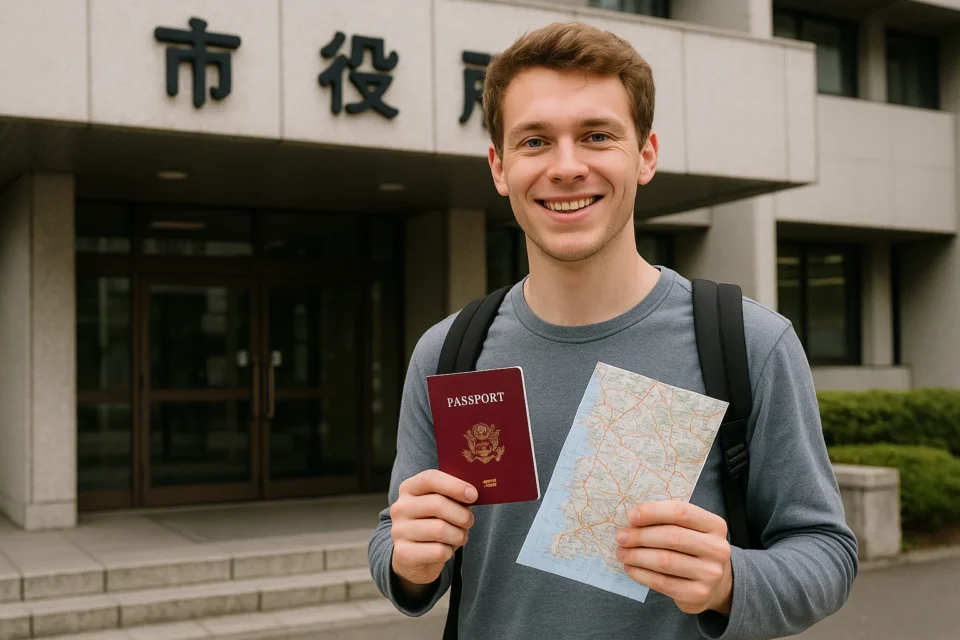
One of the first practical questions foreigners face in Japan is deceptively simple: how do you write your name here? Not in a poetic sense — in a bureaucratic one.
Starting a job in Japan without understanding Japanese workplace etiquette for foreigners is a bit like arriving at a formal dinner without knowing the dress code. You can muddle through,
Moving to Japan is one of those life decisions that feels exciting right up until you’re standing in a ward office with a stack of documents you don’t fully understand,
Remote work changed a lot of things about how people in Japan handle documentation. Physical desks, shared printers, and office stamp pads became inconvenient almost overnight for a significant portion
Japan has been reforming its relationship with paper for years. Ministers have made headlines, deadlines have been set, and the word “digitalization” has appeared in more government press releases than
If you have ever sat across from a Japanese real estate agent and watched them slide a stack of documents across the desk, you already know the feeling. The contract
If you have ever walked into a Japanese bank armed with your residence card and a confident attitude, only to be handed a form asking for your inkan, you will
Most foreigners living in Japan encounter the hanko early—signing a lease, receiving a parcel, starting a new job. For a while, an unregistered stamp handles everything just fine. Then comes
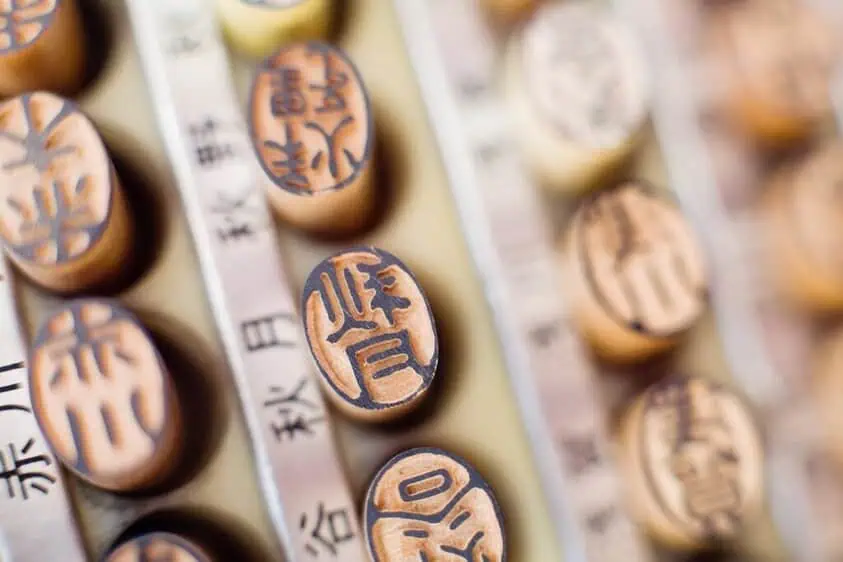
Choosing how your name appears on a hanko sounds like a small decision. It is not. The format you pick determines whether your stamp gets accepted at the bank, the
When most people order a hanko for the first time, size is the detail they think about last—if they think about it at all. You pick a material, decide on