

When most people order a hanko for the first time, size is the detail they think about last—if they think about it at all. You pick a material, decide on a script, and then click whichever diameter looks reasonable. It’s only later, sometimes at a bank counter or city hall window, that a problem surfaces: the impression is too small to read clearly, or the size falls outside what the institution accepts.
This hanko size guide exists to prevent that. Size in Japan isn’t purely aesthetic. Different diameters are conventionally associated with different types of seals, and some institutions have preferences or requirements that make the wrong size a real obstacle. For foreigners especially, where names in katakana or romaji tend to run longer than typical Japanese family names, size also directly affects how legible and professional the impression looks.
Whether you’re ordering a first mitomein for daily use, a ginkoin for your bank account, or a jitsuin for a significant legal transaction, getting the size right from the start saves you the hassle of reordering. Here’s everything you need to know.
Why size matters in Japan
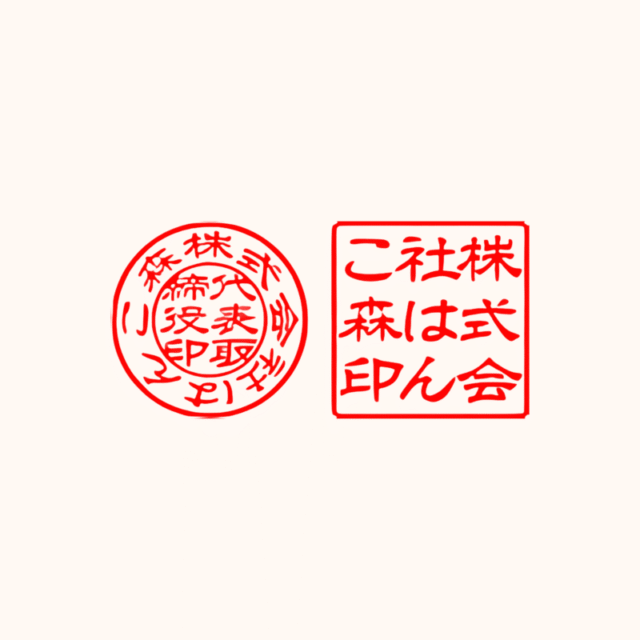
The size of a hanko affects three things simultaneously: legibility, convention, and institutional acceptance.
Legibility is the most immediate concern. A hanko impression needs to be readable. If your name in katakana runs to six or seven characters and you order a 10.5mm stamp, the characters will be cramped, unclear, and potentially unacceptable to a bank that compares impressions carefully. Conversely, a very large stamp used for a daily mitomein on a small receipt looks disproportionate and slightly absurd.
Convention matters because Japan has established norms around which size corresponds to which type of seal. These aren’t always hard legal requirements, but they are widely understood by the institutions you’ll deal with. Walking into a bank with a 10.5mm stamp as your ginkoin isn’t automatically rejected, but it may prompt questions, and some banks do specify acceptable size ranges. Following convention signals that you understand how the system works.
Institutional acceptance is the practical ceiling. Some city halls have size requirements for jitsuin registration. Some banks specify ranges for ginkoin. These vary by institution and municipality, but they’re real enough that checking before you order is worthwhile. A stamp that falls outside an institution’s accepted range will need to be replaced—there’s no workaround.
The short version: size is a functional decision, not just a visual one. Getting it right the first time is straightforward once you understand what each dimension is typically used for.
Common sizes and typical uses
Here’s how the standard sizes break down in practice.
10.5mm is the smallest commonly used size. It’s typically used for mitomein—everyday, unregistered seals for low-stakes stamping. Delivery receipts, internal office documents, casual forms. For someone with a short name or a common Japanese family name in kanji, 10.5mm produces a clean impression. For most foreigners with names rendered in katakana, this size tends to be too small to accommodate the characters comfortably.
12mm is the most versatile size and the most commonly recommended for foreigners as a starting point. It works well as a mitomein with room for longer names, and it’s within the acceptable range for ginkoin at most Japanese banks. If you’re ordering one stamp and aren’t sure yet what you’ll need it for, 12mm is the practical default. The impression is large enough to be clearly legible and small enough to look proportionate on standard Japanese forms.
13.5mm is the conventional size for ginkoin and the lower end of the jitsuin range. If you’re ordering a dedicated bank seal, 13.5mm is a reliable choice that falls comfortably within what most banks accept. It also works for jitsuin in many municipalities. For foreigners with longer names in katakana, 13.5mm gives the engraver more surface area to work with, resulting in a cleaner, more professional impression.
15mm is solidly in jitsuin territory. For registered seals used in property transactions, vehicle registration, and major legal documents, 15mm is a conventional and widely accepted size. It carries a visual weight appropriate to its legal significance—a 15mm impression on a contract looks formal in a way that a 10.5mm impression simply doesn’t.
18mm is the largest standard size and is used for corporate seals, formal organizational stamps, or individuals who specifically want a larger registered seal. For most individual foreigners in Japan, 18mm is larger than necessary. It’s worth knowing the size exists, but unless you have a specific reason to go this large, 15mm covers personal jitsuin needs comfortably.
Quick reference:
- 10.5mm → Mitomein, short names, casual use
- 12mm → Mitomein (foreigners), ginkoin (some banks), versatile default
- 13.5mm → Ginkoin, jitsuin (some municipalities), longer foreign names
- 15mm → Jitsuin, formal legal use
- 18mm → Corporate seals, large personal registered seals
Name length and readability tips
The diameter of your hanko determines how much surface area is available for engraving. This matters more for foreigners than it does for most Japanese nationals, because Japanese family names used on hanko are typically one, two, or three kanji characters—compact by nature. A name rendered in katakana almost always takes up more visual space.
As a general rule, the more characters your name requires in katakana, the larger the stamp you should order.
A two-character katakana name (rare, but possible with very short Western names) fits cleanly at 10.5mm or 12mm. A four-character name—something like “サラ・リー” (Sara Lee) rendered in katakana—works well at 12mm. A six-character name such as “マルティン” (Martin) or “クリスティ” (Christy) benefits from 13.5mm or larger. Longer names—eight or more katakana characters—should be at 15mm.
The engraving layout also plays a role. Some hanko are engraved with characters arranged vertically in a single column; others use two columns. A skilled engraver will choose the layout that best fits your name in the chosen size. When ordering from a reputable maker, you can often preview the layout before confirming. If that option is available, use it.
A practical scenario: A French resident named “ベルナール” (Bernard, seven katakana characters) orders a 12mm ginkoin. The engraving is technically possible but the characters are cramped and the impression looks unclear when stamped. The bank asks to see it again and ultimately accepts it, but the resident wishes they had ordered 13.5mm. A small difference in diameter, a much cleaner result.
One more consideration: some foreigners choose to use only their given name on a mitomein to keep the character count manageable. This is acceptable for informal everyday use but not advisable for a ginkoin or jitsuin, where your name should match what’s on your official documents.
Foreign names: Romaji vs Katakana sizing

Script choice and size interact with each other, and it’s worth addressing them together.
As covered in broader hanko guides, katakana is strongly preferred for official and semi-official use in Japan. Banks and city offices expect foreign names in katakana, and a stamp in romaji may not be accepted for ginkoin or jitsuin registration. For mitomein used informally, romaji is more flexible—but even there, katakana looks more conventional in a Japanese administrative context.
From a sizing perspective, romaji names on a hanko present a specific challenge. Latin letters at small diameters tend to become difficult to read, particularly with the curved baseline of a circular stamp. Short names in romaji at 12mm can look passable; longer names in romaji at 12mm often look cluttered. If you’re committed to using romaji for a mitomein, sizing up—13.5mm or 15mm—generally produces a more legible result.
For katakana, the character-to-size guidance from the previous section applies directly. Katakana was designed for this kind of compact, formal use, and it engraves clearly at standard hanko sizes when the diameter is matched to the character count.
If you’re starting a new role in Japan, ComfysCareer can help you secure the job—then come back here to choose the right hanko size for the paperwork you’ll encounter during onboarding.
Buying checklist
Before you confirm your order, work through this list. It covers the decisions that most commonly lead to reorders or institutional rejection.
Identify your use case first:
- Everyday mitomein only → 12mm, katakana, quality hardwood or acrylic
- Dedicated ginkoin → 13.5mm, katakana, durable material (ebonite, hardwood, titanium)
- Jitsuin for registration → 15mm, katakana, invest in quality material
- One stamp to cover mitomein and ginkoin temporarily → 12mm or 13.5mm, katakana
Confirm with your institution if applicable:
- Ask your bank what size range they accept for ginkoin before ordering
- Check your local city hall’s requirements if registering a jitsuin
- Requirements vary—don’t assume the standard applies universally
Name format decisions:
- Confirm how your name appears on your residence card or official Japanese documents
- Match that rendering on your hanko
- Count the katakana characters and cross-reference the size recommendations above
- If ordering in romaji for informal use, size up from what you’d choose for katakana
Material considerations by size and use:
- 10.5–12mm mitomein: functional material is fine; no need to overspend
- 13.5mm ginkoin: choose something durable; this stamp will be used repeatedly for years
- 15mm jitsuin: invest in quality; this is a legally significant object
Lead time:
- If you need the stamp for a specific appointment, order with enough buffer for carving and shipping
- Confirm international shipping times if you’re ordering from outside Japan or need it delivered abroad
HankoHub provides use-case guidance alongside each product, so you can match the right size and material to your actual situation rather than guessing. Custom orders are carved to your name and specifications, with worldwide shipping.
FAQ
What size hanko do most foreigners in Japan need? For most foreigners, 12mm or 13.5mm covers the majority of needs. Start with 12mm if you need a general-purpose mitomein. Go to 13.5mm if you’re ordering a dedicated bank seal or have a longer name in katakana.
Does my bank specify a hanko size? Some do, some don’t. Major banks often accept a range (commonly 12–15mm for ginkoin), while regional banks may have specific preferences. It’s worth a quick inquiry before ordering a dedicated ginkoin.
Can I use a 15mm stamp as a mitomein? Yes, there’s no rule against it. It will look slightly oversized on smaller forms, but it functions fine. If you already have a 15mm jitsuin and need it to double as an everyday stamp temporarily, it will work—though keeping your registered seal for formal use only is the better long-term approach.
Is 18mm ever appropriate for an individual? Rarely. 18mm is primarily used for corporate or organizational seals. Some individuals with very long names choose it for a jitsuin to ensure full legibility, but for most people 15mm is sufficient.
What happens if I order the wrong size? For a mitomein, it’s a minor inconvenience—you can simply order a replacement. For a ginkoin or jitsuin, ordering the wrong size before confirming with the institution means starting the process over with a new stamp. This is why checking with your bank or city hall before ordering a registered seal is worth the extra step.
Does the size affect how long the hanko lasts? Larger stamps have more material and, with quality construction, tend to be more durable over time. That said, a well-made 12mm stamp in a quality material will outlast a poorly made 15mm stamp in cheap plastic. Material quality matters at least as much as size.
My name is very long in katakana—what should I do? Order at least 13.5mm, and consider 15mm if the character count is eight or more. Also ask the maker about two-column layout options, which can distribute longer names more legibly across the stamp face. When ordering from HankoHub, you can specify your name and they’ll advise on the best layout for your character count.
Next steps

Size is one of those decisions that feels minor until it isn’t. A well-matched hanko—right diameter for your name length, right script for institutional use, right material for how often you’ll use it—just works. It stamps cleanly, gets accepted without questions, and lasts. Browse HankoHub to find your size with recommended use cases clearly mapped out, so you can order with confidence and arrive prepared.