
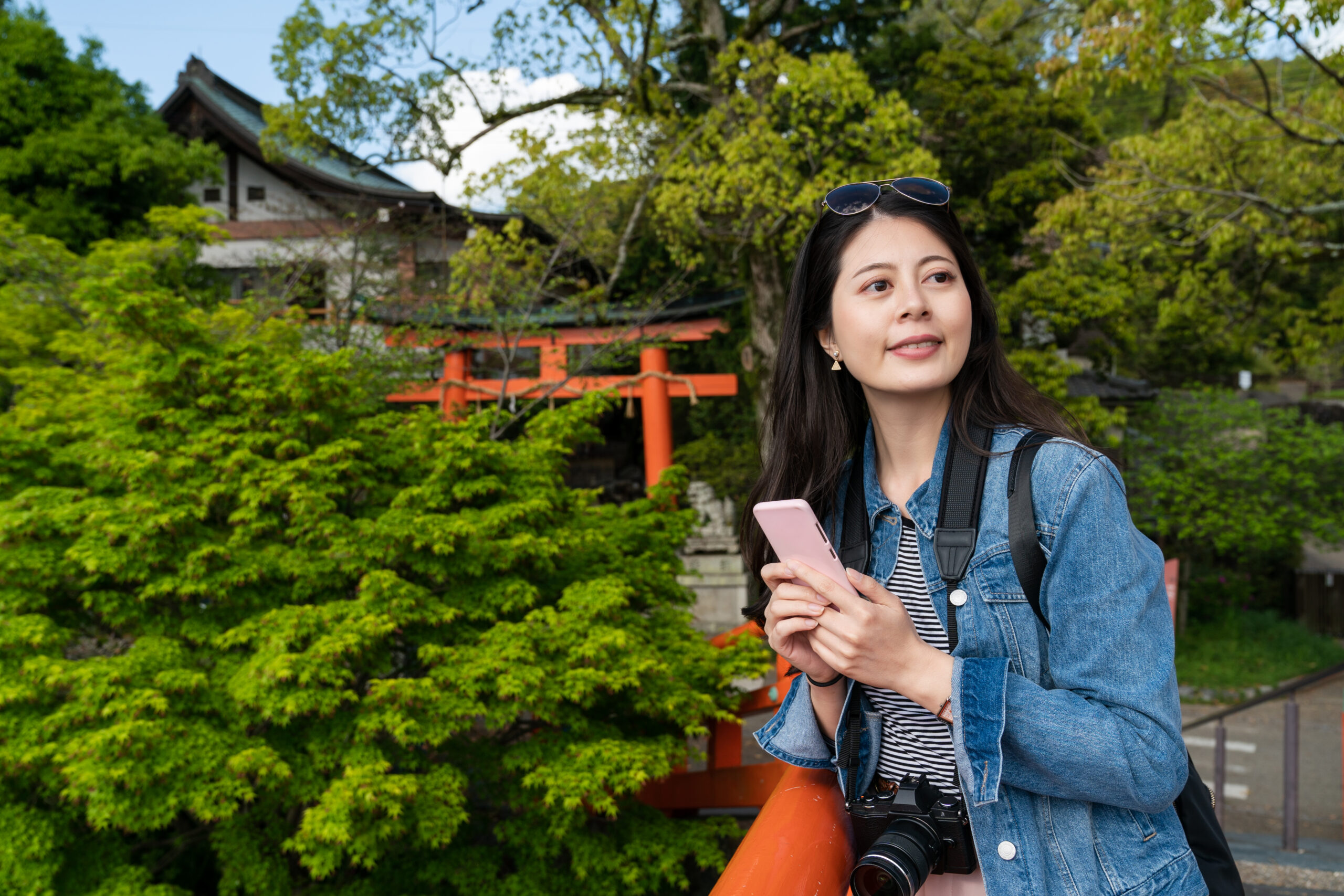
Living in Sapporo as a foreigner is a genuinely different experience from settling into Tokyo or Osaka. The city is quieter, the cost of living is lower, the winters are serious, and the pace of daily life has a particular rhythm that takes some getting used to — in a good way. But the administrative setup process is largely the same as anywhere else in Japan, and if you arrive without a plan, you will spend your first few weeks bouncing between the ward office, the bank, and your real estate agent trying to figure out what you need and in what order.
Sapporo is the capital of Hokkaido, Japan’s northernmost main island, and it is a proper city — the fifth largest in the country by population, with just under two million people in the greater urban area. It is not a small town. It has department stores, a functioning subway, international restaurants, and a university scene that brings a steady stream of foreign students and researchers. What it does not have is the density of foreigner services you find in central Tokyo. Things are available, but you need to know where to look.
This guide walks through the practical side of arriving and setting up in Sapporo. It is written for people relocating from another country, people moving from elsewhere in Japan, and people who are still in the planning stage and want to understand what they are getting into. By the end, you will have a clear picture of costs, housing, banking, getting around, and the role a hanko plays in the paperwork that comes with building a life here.
City Overview and Costs
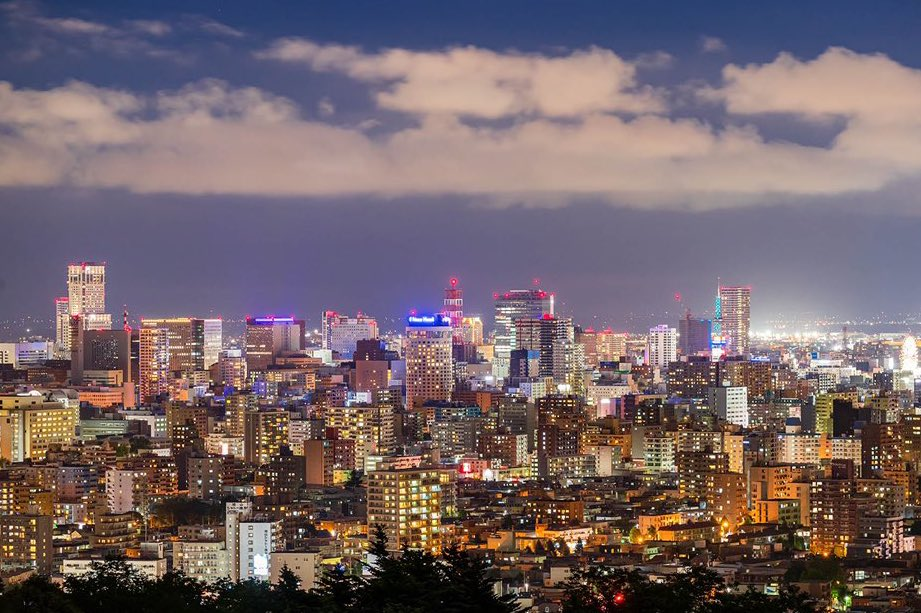
Sapporo sits in the southwest of Hokkaido and was built on a grid system in the late 1800s, modeled partly on North American city planning. That grid makes it unusually easy to navigate — streets are numbered rather than named, and the system is logical once you understand the basic coordinates. It is one of those cities where getting lost genuinely takes effort.
The cost of living is one of Sapporo’s most appealing features for foreigners. Rent is substantially lower than Tokyo and noticeably lower than Osaka. A one-bedroom apartment in a central ward like Chuo-ku or Kita-ku typically runs between 45,000 and 80,000 yen per month. Further out — Toyohira-ku, Shiroishi-ku — you can find decent places in the 35,000 to 55,000 range. Groceries benefit from Hokkaido’s agricultural output: dairy, seafood, vegetables, and rice are fresh and reasonably priced.
What to budget for that you might underestimate: heating. Hokkaido winters are cold in a way that is worth taking seriously. From roughly November through March, temperatures regularly drop below freezing, and heavy snowfall is the norm rather than the exception. Most apartments have central heating systems, and utility bills in winter can run 15,000 to 25,000 yen per month or more depending on the unit. Factor this into your budget from the start.
The city has four main wards that foreigners tend to gravitate toward. Chuo-ku is the central district — closest to Odori Park, Susukino, and the main transit hub. Kita-ku surrounds Sapporo Station and has a more workaday feel. Toyohira-ku is popular with students and younger residents. Minami-ku is quieter and more suburban, attractive if you prefer space over convenience.
Housing Setup
Finding an apartment in Sapporo is more accessible than in Tokyo, largely because demand is lower and the market is less competitive. There are also several real estate agencies that have experience working with foreign residents, and the city’s international student population means landlords are somewhat more accustomed to non-Japanese tenants than you might expect in a smaller regional city.
The process runs roughly as follows:
- Initial search: Use agencies like Able, Apaman, or local Hokkaido-based agents. Specify upfront that you are a foreign national — this filters out landlords who are unlikely to approve your application and saves time.
- Application documents: Passport, residence card, proof of employment or enrollment, and sometimes a letter from your employer or school.
- Guarantor: Most rentals require either a Japanese personal guarantor or a guarantor company. The guarantor company route is standard for foreigners and costs roughly half a month’s rent as a one-time fee.
- Initial costs: Expect security deposit (one to two months), key money if applicable (less common in Hokkaido than in Tokyo), and first month’s rent, all due at signing.
- Lease signing: A hanko is often required at this stage. Some agencies will accept a signature, but having a stamp ready removes any ambiguity.
Common mistakes at this stage: not asking your agent directly about foreigner-friendly properties from the first conversation, underestimating the upfront cost, and assuming a furnished apartment will be easier to find than it actually is. Furnished rentals exist in Sapporo but are not as common as in major tourist cities, and they carry a premium.
After signing, your first task is registering your address at your ward office. This is mandatory and forms the foundation for everything else — bank account, phone plan, health insurance enrollment, and city services. Bring your residence card and your lease agreement or a document confirming your new address.
Banking and Salary
The bank account situation in Sapporo follows the same patterns as the rest of Japan, with a few local nuances worth knowing. Major national banks — Mitsubishi UFJ, Sumitomo Mitsui, Mizuho — often require at least six months of registered residency before they will open an account. This is an internal policy rather than a legal requirement, but it is widely applied.
More accessible options that foreigners in Sapporo commonly use:
- Japan Post Bank (Yucho): Post offices are distributed throughout the city and the Yucho Bank has historically been more accommodating to new residents. The application process is slower but the approval threshold is lower.
- North Pacific Bank (Hokuyō Bank) and Hokkaido Bank: These regional banks are specific to Hokkaido and have branch networks across Sapporo. Some branches are more flexible on residency duration than national banks and are worth trying if you have address registration completed.
- Rakuten Bank or Sony Bank: Online banks with no physical branches but generally more flexible policies and some English-language support.
For salary purposes, most Japanese employers require a Japanese bank account for payroll. If you are starting work before your account is ready, communicate with HR early. Some companies can issue the first payment via alternate means, but this is not standard practice.
If you are aiming to work in Sapporo, check ComfysCareer for openings that match your language level.
A note on hanko and banking: post offices in particular still commonly ask for an inkan when opening accounts. Some bank branches will accept a signature for a basic account. It varies by branch and by the type of account you are opening. If you already have your hanko when you walk in, you are prepared for either scenario.
Commuting Basics
Sapporo’s public transport infrastructure is compact and well-organized. The city has three subway lines — the Namboku Line running north to south, the Tozai Line running east to west, and the Toho Line serving the eastern wards. Most of the places foreigners live and work are within walking distance of at least one subway station.
A few things worth understanding early:
- IC card: Pick up a Kitaca card (Hokkaido’s regional IC card) or load a Suica at Sapporo Station. Both work on the subway, city buses, and some local trains. Kitaca works across Hokkaido; Suica works nationwide. Either is fine for daily use.
- City buses: Sapporo’s bus network covers areas the subway does not, including some residential neighborhoods in the outer wards. Routes can be confusing at first but the Sapporo city transport app and Google Maps handle them reliably.
- No JR commuter lines within the central city: Unlike Tokyo, Sapporo’s inner-city commuting is almost entirely subway and bus. The JR lines operate out of Sapporo Station but are used mainly for inter-city travel to Otaru, Tomakomai, and further afield.
- Cycling: Sapporo is a reasonable cycling city for roughly six months of the year. From November onward, snow and ice make it impractical for most people. If you plan to cycle, factor in where you will store your bike during winter.
The winter commute is its own topic. Snow removal in Sapporo is organized and generally efficient — the city has underground heated walkways connecting major downtown blocks — but you will need warm, waterproof footwear, and you should expect the occasional morning where everything runs slower than usual.
Where Hanko Fits In

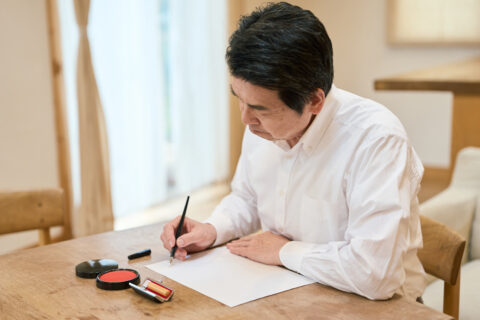
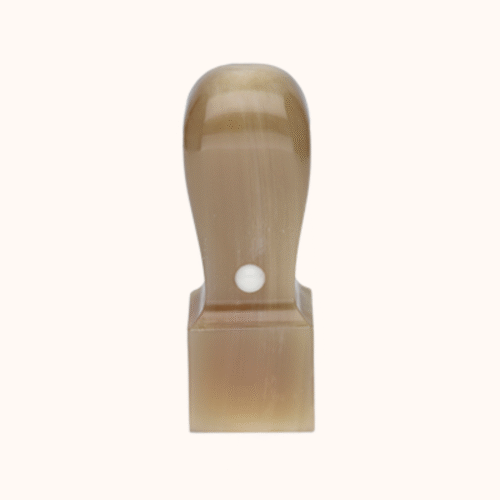
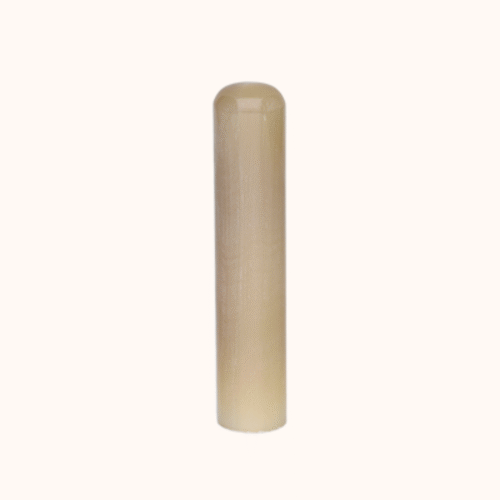
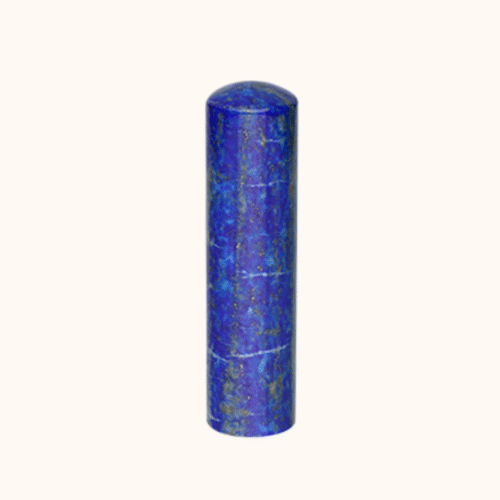
A hanko, also called inkan, is a personal name stamp that functions as a signature substitute — or sometimes a signature supplement — across a wide range of official and semi-official documents in Japan. For many foreigners, it seems like an unusual formality until they realize it comes up more frequently than expected.
In Sapporo, you will likely encounter hanko requirements in the following situations:
- Lease signing: Many landlords and agencies still require a stamped contract, particularly older property owners.
- Bank account opening: Post offices and some regional banks ask for an inkan. For Hokkaido Bank and Hokuyō Bank, branch-level policy varies.
- Employment paperwork: First-day HR forms at Japanese companies frequently include fields for a stamp.
- Ward office forms: Certain procedures at the ku-yakusho, including some address registration forms and tax documents, may require one.
The two types most relevant to foreigners settling in Sapporo:
Mitome-in: An everyday personal stamp, not officially registered. This covers most practical situations — banking, company paperwork, city hall forms. This is what most foreigners need first.
Jitsuin: A registered seal officially recorded at the ward office. Required for high-stakes legal documents like property purchases. Most foreigners on work or student visas will not need this initially.
Common mistakes foreigners make around hanko:
- Using a mass-produced stamp from a convenience store for a formal document: These are sometimes rejected. A custom stamp made for your name is more reliable and looks appropriate for the context.
- Spelling the name on the stamp differently from the name on your residence card: Your hanko should reflect your official name. If your card shows your name in romaji, that is what your stamp should reflect.
- Not having one ready when signing a lease: The landlord is not going to wait while you search for a solution. If you know you are signing a lease or starting a new job, sort the hanko first.
- Assuming digital is always an option: Japan has made real progress on digital paperwork, but physical stamps remain standard for residential contracts and many bank procedures, especially outside central Tokyo.
For foreigners, hanko are typically made with your name in katakana, romaji, or a combination. HankoHub handles the process in English — you choose the name, script style, and material — and the stamp arrives ready to use. If you are setting up life in Sapporo from outside Japan, ordering in advance means one less thing to deal with in the first hectic week.
FAQ
Do I need a hanko to live in Sapporo as a foreigner? There is no legal requirement for foreigners to hold one. But in practice, a hanko makes several important steps — lease signing, bank account opening, employment forms — significantly smoother. Having one ready before you need it is the sensible approach.
Can I use my signature instead? Sometimes. Government offices have increasingly moved toward accepting signatures, and some banks and employers do as well. But residential landlords and certain financial institutions still expect a stamp. When in doubt, having a hanko means you are never caught unprepared.
What name should I put on my hanko? Most foreigners use their family name. If your name is long or difficult to render cleanly in katakana or romaji, a shorter version is perfectly acceptable. HankoHub can advise on the right format for your specific name.
Is Sapporo’s admin process different from Tokyo? The core process is the same: address registration, bank account, health insurance, phone plan. The differences are mainly in the service infrastructure — fewer English-speaking staff at ward offices, somewhat fewer foreigner-specific resources. That said, Hokkaido University’s international community and Sapporo’s history with foreign visitors means it is not starting from zero.
What about the cold — does it affect any paperwork or setup tasks? Not directly, but practically yes. In deep winter, heading out for multiple ward office visits in heavy snow is less pleasant than doing it in autumn. If you are planning your move, arriving in September or October gives you time to complete the setup process before the hardest winter months.
Do I need to register my hanko at the ward office? Only if you need a jitsuin for a specific legal document. For everyday use — bank accounts, employment forms, city administration — an unregistered mitome-in is sufficient. Most foreigners never need to register their seal.
Next Steps
The setup sequence in Sapporo follows a predictable order: register your address, open a bank account, get your phone plan sorted, enroll in national health insurance. Most of these steps go more smoothly when you have a hanko in hand before you start.
If you want a practical, no-guesswork solution, HankoHub offers custom hanko for foreigners with the full ordering process handled in English. Choose your name, your script style, your material, and it arrives ready to use. It is one of the smaller logistics of moving to Sapporo, but getting it sorted early means you are not scrambling for it when a landlord puts a contract in front of you.