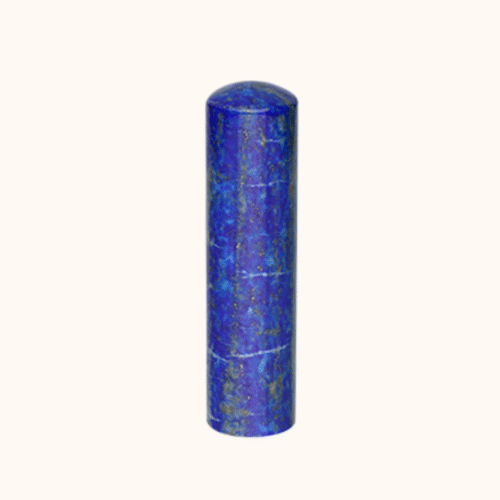

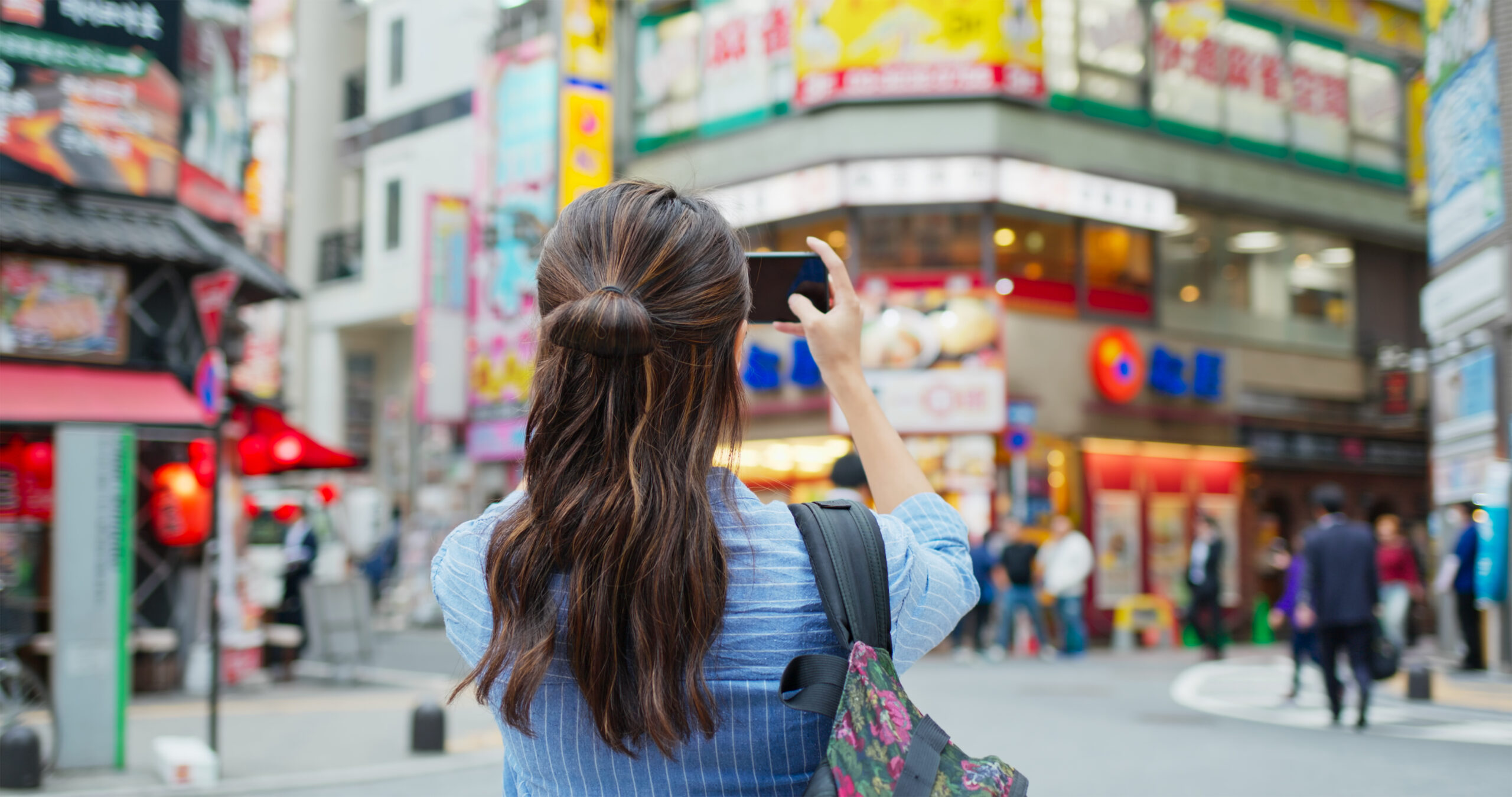
Moving to a new city in Japan is exciting until the paperwork starts. Yokohama is one of the most foreigner-friendly cities in the country, but that does not mean the setup process is simple. Between registering your address, opening a bank account, signing a lease, and sorting out a phone plan, there are a dozen small steps that can trip you up if you do not know what to expect. Living in Yokohama as a foreigner means navigating a system that was mostly built with Japanese citizens in mind, even if the city has softened its edges considerably over the years.
Yokohama sits just south of Tokyo, and yet it manages to feel like a real city with its own identity rather than a suburb. The waterfront, the international district of Motomachi-Chukagai, the creative energy of Minato Mirai — these are not just things to visit. They shape the texture of daily life. And daily life here, like everywhere in Japan, runs partly on paperwork and partly on trust built through small physical rituals, including stamps.
This guide covers the practical side of arriving and settling in Yokohama. It is written for people who are new to Japan, people who have been here a while but are relocating from another city, and people who want to understand how the system actually works rather than how it is described in theory. You will come away knowing what to do, in roughly what order, and where a hanko fits into all of it.
City Overview and Costs
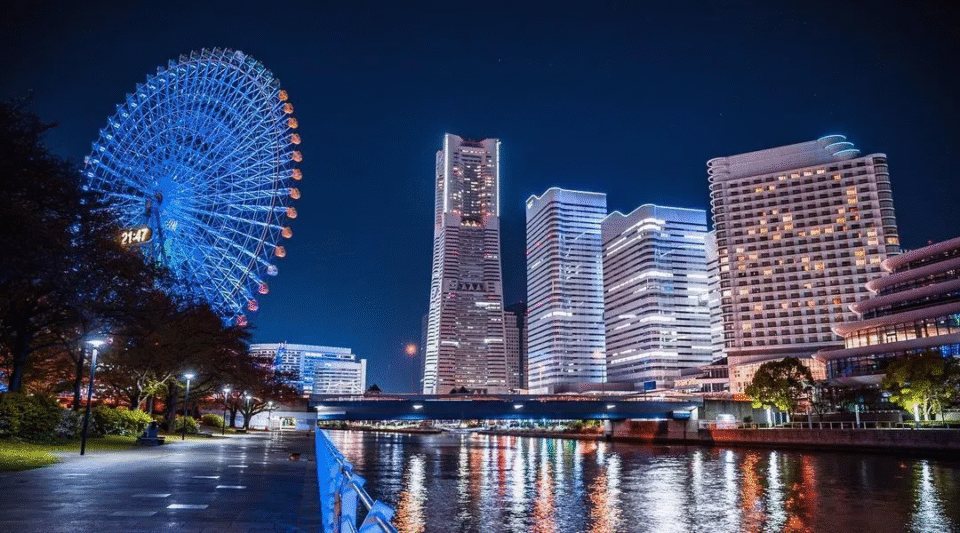
Yokohama is Japan’s second-largest city by population, with roughly 3.7 million residents. It borders Tokyo to the south and is served by multiple train lines, making it genuinely practical to live here even if your employer is in Shinjuku or Shinagawa. The city itself has a port history that dates back to the mid-1800s, when it was one of the first places in Japan opened to foreign trade. That history still shows up in the architecture, in the Chinese community in Chinatown, and in the general sense that Yokohama has been receiving outsiders for a long time.
Costs are meaningfully lower than Tokyo without feeling like a compromise. A one-bedroom apartment in a central ward like Nishi-ku or Kanagawa-ku typically runs between 70,000 and 110,000 yen per month. Further from the major stations — Sakuragicho, Kannai, Yokohama Station — you can find good apartments in the 55,000 to 75,000 range. Groceries, transit, and dining out are broadly similar to Tokyo.
The wards you will hear most often among expats and long-term residents are Nishi-ku (walkable to the station and the waterfront), Kanagawa-ku (more affordable, direct access to Yokohama Station), and Tsurumi-ku (quieter, popular with families). Each has its own feel. Before committing, spend a Saturday afternoon in a neighborhood you are considering.
Housing Setup
Finding an apartment in Yokohama as a foreigner is easier than it was ten years ago, but it is still not frictionless. Many landlords, particularly older private ones, remain cautious about renting to non-Japanese nationals. Working through a real estate agent who is accustomed to handling foreign clients will save you time and frustration.
Once you find a place, the rental process typically looks like this:
- Initial application: You will provide passport, residence card, and proof of income or employment. If you are not yet working, a company offer letter often suffices.
- Guarantor: Most rentals require either a Japanese guarantor or a guarantor company (hoshō gaisha). The latter is the common route for foreigners and costs roughly half a month’s rent as a one-time fee.
- Key money and deposits: Expect one to two months’ key money (reikin, non-refundable in many cases), one to two months’ security deposit, and the first month’s rent, all due at signing.
- Signing the lease: This is where a hanko may be required. More on that shortly.
Common mistakes at this stage: assuming your company will handle everything, waiting to register your address after you have been in a temporary place for a few weeks, and not asking the agent directly about foreigner-friendly properties. Ask early. It filters the options faster.
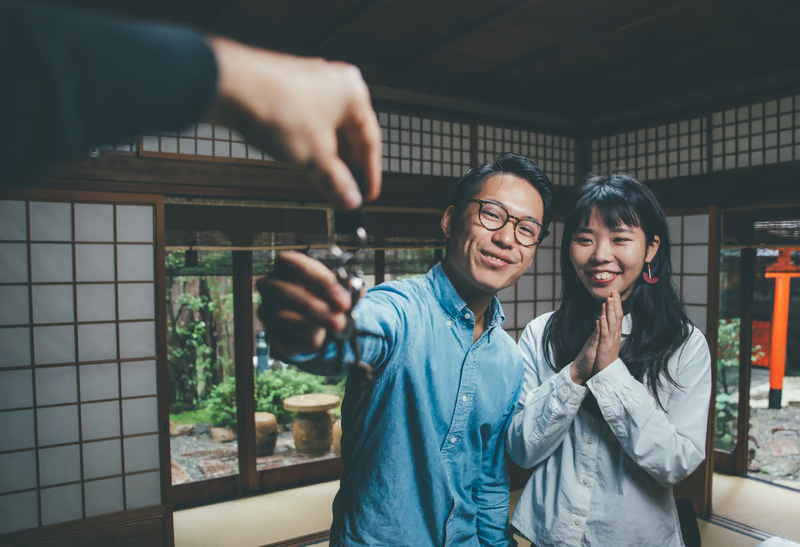
After signing your lease, your first administrative task is to register your address at your ward office (ku-yakusho). This is not optional. Without address registration, you cannot open a bank account, get a phone plan, or access most city services. Bring your residence card and your lease or a utility bill showing your address.
Banking and Salary
Opening a Japanese bank account as a new resident is one of the more commonly frustrating early experiences. The major city banks — Mitsubishi UFJ, Sumitomo Mitsui, Mizuho — often require that you have lived in Japan for at least six months before they will open an account. This is not a legal requirement, but it is a common internal policy.
Practical workarounds foreigners actually use:
- Japan Post Bank (Yucho): Historically more welcoming to new residents. Branches are everywhere. The account setup is slower but more accessible.
- Sony Bank and Rakuten Bank: Online banks that are generally more flexible on residency duration. English interface available for some services.
- Wise (formerly TransferWise): Not a Japanese bank account, but useful for receiving international transfers and managing money before your local account is ready.
For salary payment, most employers require a Japanese bank account. If you are starting a new job before your account is ready, talk to your HR department early. Some companies can issue the first paycheck via bank transfer to a guarantor or hold it briefly, though this is uncommon and not guaranteed.
Your bank will also have its own policies on whether a hanko is required to open the account. Some branches accept a signature. Others — particularly post offices and older-model institutions — still require an inkan. If your employer, landlord, or bank asks for one and you do not have it yet, it can stall the process.
If you are aiming to work in Yokohama, check ComfysCareer for openings that match your language level.
Commuting Basics
Yokohama’s public transport is genuinely excellent. The city is served by JR lines (Tokaido, Yokosuka, Keihin-Tohoku), the Tokyu and Keikyu private railways, the Yokohama Municipal Subway (Blue Line and Green Line), and the Minato Mirai Line. You can reach Tokyo Station in under 30 minutes from Yokohama Station on the Tokaido Line.
A few things worth knowing:
- IC card: Get a Suica or PASMO as soon as possible. Tap in, tap out. Works on almost every train, bus, and subway in the Kanto region, and increasingly at convenience stores.
- Commuter passes (teiki): If your employer offers a commuter pass allowance — and most do — set this up quickly. It covers your regular route at a substantially reduced monthly rate.
- Cycling: Yokohama is more bikeable than Tokyo in many neighborhoods. The port area especially has decent infrastructure. Register your bicycle at a shop or ward office if you purchase one secondhand.
The commute itself tends to be less crowded than central Tokyo, though peak-hour trains at Yokohama Station are busy. If you can shift your start time by 30 minutes, the difference in comfort is significant.
Where Hanko Fits In
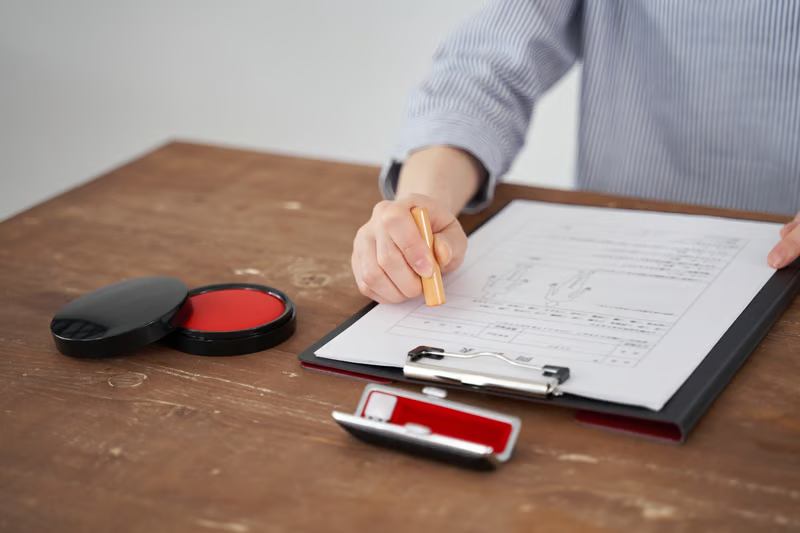
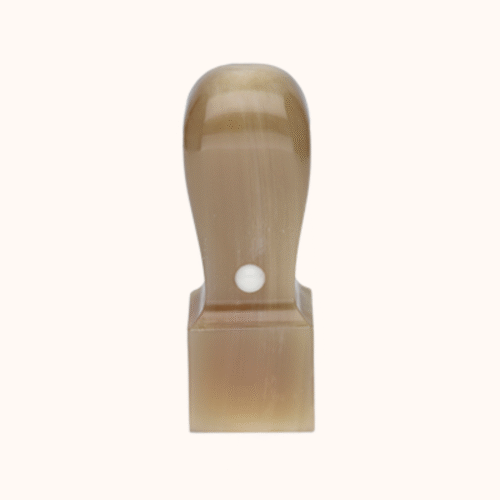
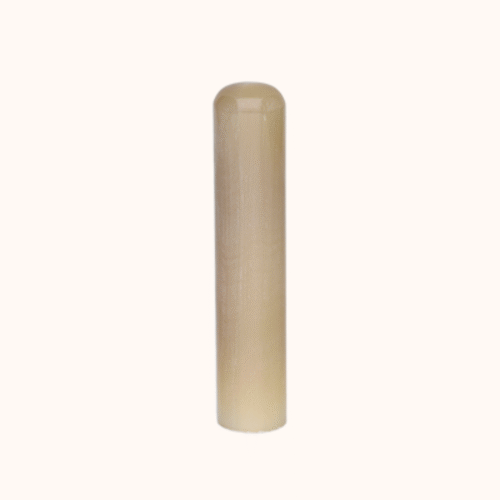
A hanko (also called inkan) is a personal name stamp used in place of — or alongside — a handwritten signature in Japan. It is one of those things that surprises new arrivals because it seems almost ceremonial until you realize it is genuinely functional.
In Yokohama, as in the rest of Japan, you will likely encounter situations where a hanko is expected:
- Lease signing: Many landlords and real estate agencies still require a stamped signature on rental contracts.
- Bank account setup: Post offices and some city banks ask for an inkan when opening accounts. The required type is a mitome-in (a simpler, unregistered stamp for everyday use).
- Employment paperwork: Your first-day HR packet at a Japanese company often includes forms that require a stamp.
- City hall forms: Certain ward office procedures, including some address change forms, may ask for one.
There are two main types relevant to foreigners:
Mitome-in: A personal stamp used for daily documents. Not officially registered. Acceptable for most everyday purposes including bank forms and internal company paperwork.
Jitsuin: A registered seal, officially recorded at the ward office. Required for high-stakes documents like property purchases or some visa-related filings. Most foreigners on work or student visas will not need this immediately.
Common mistakes foreigners make around hanko:
- Using a katakana stamp for a document that requires your registered name in romaji: Make sure your stamp reflects the name on your residence card.
- Buying a cheap stamp at a 100-yen shop and assuming it will work everywhere: Low-quality or toy stamps are sometimes rejected.
- Waiting until the document is in front of you: If you know you are signing a lease or starting a new job, get your hanko sorted beforehand. It is one less thing to scramble for on a stressful day.
For foreigners, hanko are typically made with your name in katakana, romaji, or a combination. HankoHub makes the process clear and orders are processed with an English-language interface, which removes the guesswork around sizing, spelling, and material.
FAQ
Do I legally need a hanko to live in Japan as a foreigner? No, there is no legal requirement for foreigners to hold a hanko. However, many practical situations — banking, housing, employment — will be smoother if you have one. Think of it as a practical tool, not a bureaucratic burden.
Can I use a signature instead of a hanko? Sometimes yes, sometimes no. It depends on the institution and the document. Government offices have increasingly accepted signatures, but private landlords and some banks still prefer a stamp. When in doubt, having one means you are never caught unprepared.
What name should my hanko say? Your first name, last name, or full name — all are commonly used. Most foreigners go with their family name in katakana or romaji. If your name is long, a shorter version is practical. HankoHub can help you work out the right format for your specific name.
How quickly can I get a hanko made? Processing times vary. If you know you are moving to Yokohama, ordering in advance is a good idea. Rushing the process at the last minute adds unnecessary stress.
Do I need to register my hanko at the ward office? Only if you need a jitsuin (registered seal). For most day-to-day use — banking, employment, city hall forms — an unregistered mitome-in is sufficient.
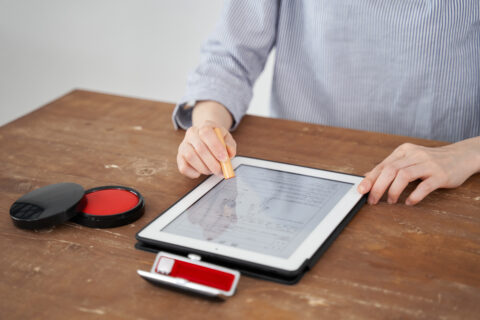
Is digital hanko an option? Increasingly yes. Some companies and agencies now accept electronic seals for internal documents. However, many landlords and institutions still expect a physical stamp, especially for contracts. If you are unsure, assume physical is safer.
Next Steps
Settling into Yokohama takes a few weeks of administrative momentum. Get your address registered first, then your bank account, then your phone plan — in roughly that order. Before you sit down to sign anything major, make sure you have a hanko ready.
If you want a clean, practical solution, HankoHub offers custom hanko made for foreigners, with ordering handled entirely in English. You choose your name, script style, and material, and it arrives ready to use. It is a small thing that makes a real difference when you are working through Japan’s paper-heavy setup process.